
Introduction
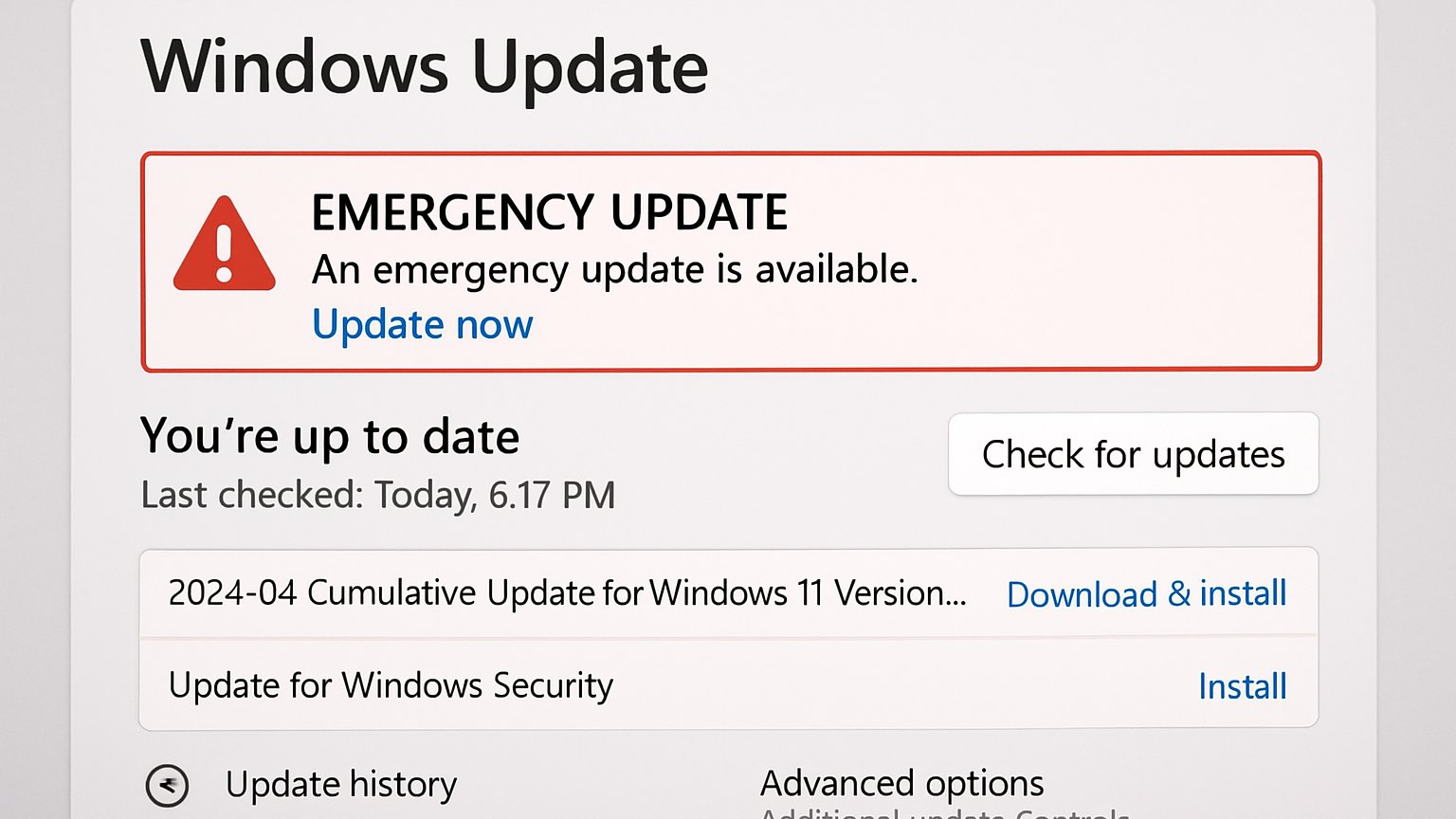
Microsoft has recently rolled out an emergency update for Windows 11, a move that aims to resolve critical issues impacting users, particularly those with AMD graphics cards. The urgent deployment underscores the company's commitment to maintaining system stability and user satisfaction, especially after reports of system crashes and performance problems.
Background: The Need for an Emergency Update
In recent weeks, users of Windows 11 have reported experiencing significant issues related to system crashes, particularly when using AMD graphics cards. These issues not only disrupted daily tasks but also raised concerns about the overall reliability of the operating system. Feedback from the community indicated that these crashes often manifested during resource-intensive tasks, leading to frustration among gamers and professionals relying on AMD hardware.
Details of the Update
The emergency update, labeled as KB5028254, was released on October 9, 2023. The update primarily focuses on resolving the instability issues reported by users. Initial confirmations indicate that it addresses specific bugs that caused system failures, particularly those affecting AMD graphics card performance under heavy load.
The update includes:
- Fixes for Graphics Crashes: Reported instances of failures that occurred when switching display modes or running graphics-heavy applications should now be resolved.
- Stability Improvements: General system stability improvements that should reduce the occurrence of unexpected shutdowns and freezes.
- Enhanced Compatibility: Adjustments aimed at optimizing how AMD graphics cards interact with Windows 11's latest features.
Why This Matters
The release of an emergency update by Microsoft highlights several important considerations:
Impact on User Trust
Frequent and severe issues with system stability can erode user trust. By responding swiftly to the complaints and deploying an emergency fix, Microsoft is taking proactive steps to re-establish confidence among its user base. Users have a higher expectation for reliability in modern operating systems, especially those utilizing impactful hardware like AMD graphics cards.
Gaming and Creative Industries
Gaming and creative professionals greatly rely on stable systems to perform resource-intensive tasks efficiently. System crashes not only hinder productivity but can also lead to lost work and diminished experiences. This update is crucial in a market where competition for optimal performance is fierce. By addressing these issues, Microsoft also preserves its standing in the gaming community and among professionals who use their platform for creative works.
AMD's Role
AMD, a longstanding competitor to Intel in the CPU and GPU market, has seen a resurgence in popularity among consumers seeking high-performance hardware. As AMD continues to innovate, the compatibility and reliability of its products with major operating systems like Windows 11 become paramount. Microsoft’s swift action in fixing these issues directly benefits AMD users and complements the strides AMD has made in market growth.
Distinguishing Facts from Claims
While the emergency update has been praised by many users for stabilizing their systems, it's important to differentiate between confirmed fixes and anecdotal claims. Early reports indicate a reduction in the frequency of crashes, but the full extent of the update's effectiveness may take time to assess comprehensively.
Users are encouraged to monitor their systems post-update and provide feedback through official Microsoft forums. Tracking user reactions will offer insights into the update's effectiveness and highlight any lingering issues.
Future Implications
The emergency update is not just a short-term fix; it represents Microsoft's broader strategy to ensure Windows 11’s stability and performance. As Microsoft continues to roll out new features and updates, ensuring that system corrections are a priority will play a vital role in user retention.
Looking ahead, it’s likely that Microsoft will focus on developing a more robust system for identifying and addressing critical bugs before they impact users. This kind of proactive approach may include more comprehensive testing protocols or better communication with hardware manufacturers like AMD.
Conclusion
The recent emergency update for Windows 11 is a crucial step in regaining user trust and ensuring system stability, especially for those utilizing AMD graphics cards. Microsoft’s immediate response to reported issues demonstrates its commitment to providing a reliable operating system. As more users apply the update, ongoing feedback and adjustment will be essential in refining Windows 11 further, paving the way for a more stable computing experience in the future.