
Introduction
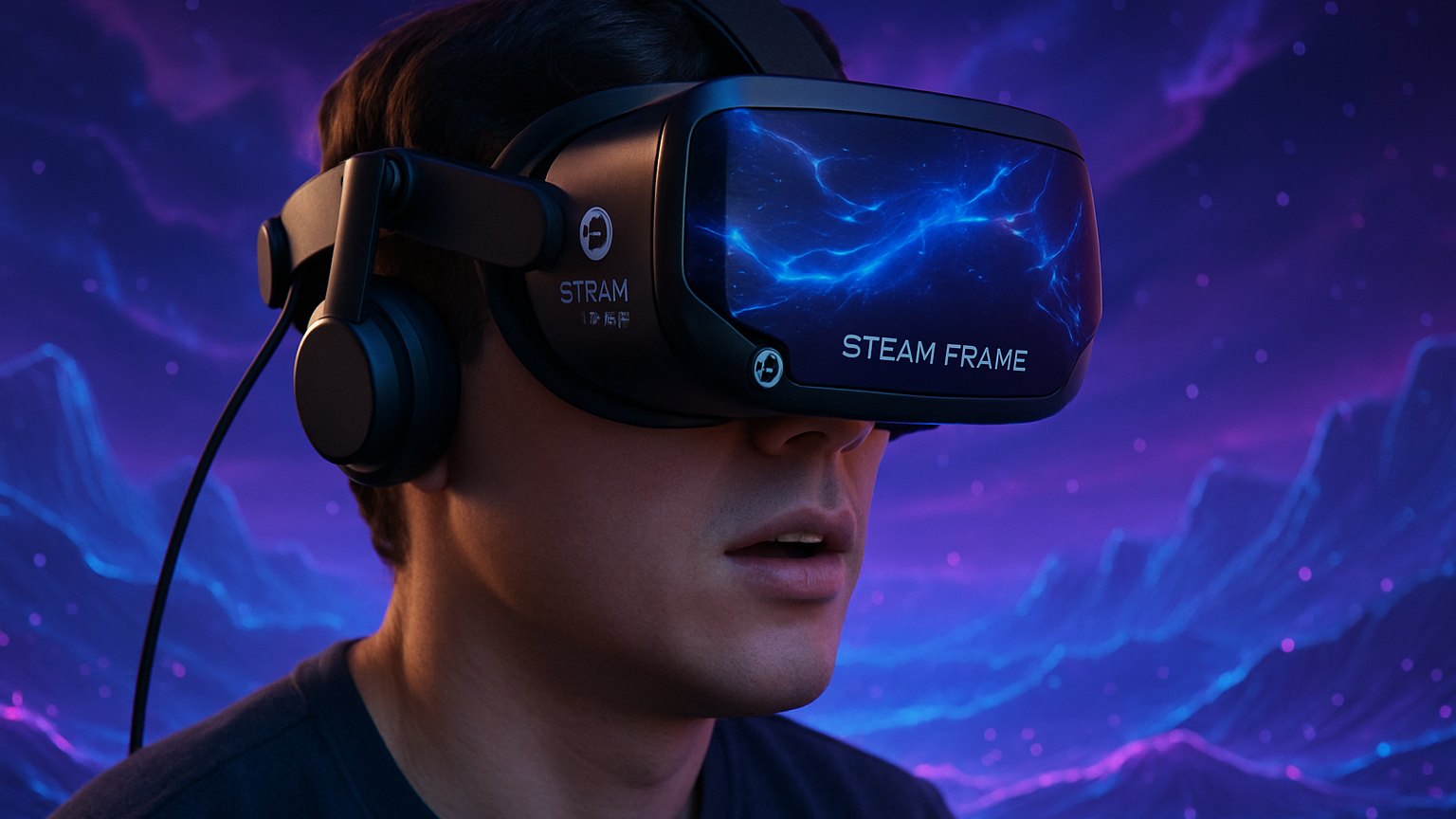
Valve has officially launched its latest VR headset, the Steam Frame, which promises to redefine the virtual reality experience. Notably, this headset functions both as a standalone device and as a PC-compatible accessory, catering to a diverse user base. This article explores the significance of the Steam Frame development, substantiated features, and relevant claims surrounding this innovative entry into the VR market.
Key Features of the Steam Frame
According to Valve’s official announcement, the Steam Frame boasts several standout features:
- Standalone Functionality: Users can operate the headset without a tethered connection to a PC, thanks to built-in processing capabilities. This allows for greater mobility and a more immersive experience.
- Cross-Platform Compatibility: The Steam Frame is designed to work seamlessly with existing PC setups and can link with Steam’s extensive library of VR titles, broadening accessibility.
- Improved Visual Fidelity: With advanced optics and a high refresh rate, the headset aims to reduce latency and enhance realism in virtual environments. Details on specific resolutions or refresh rates are still under wraps, marking a point of speculation.
Importance of the Development
Expanding VR Accessibility
The introduction of a standalone VR headset from Valve is significant in a market often dominated by tethered experiences. By providing mobility without sacrificing performance, Valve is likely catering to the growing segment of consumers seeking user-friendly and versatile VR options. This development echoes the success of similar products, like Meta's Quest series, showcasing an industry trend that emphasizes accessibility.
Aligning with Gaming Trends
Valve's focus on integrating the Steam Frame with its existing ecosystem capitalizes on its established user base. The ability to access numerous VR titles can enhance the device's attractiveness to gamers who may have previously hesitated to invest in VR due to limited content availability. This strategic direction aligns with emerging trends where gaming consoles and VR systems become increasingly interwoven, appealing to casual and hardcore gamers alike.
Insights from Valve Engineers
In an exclusive interview featured in Tom's Hardware Premium, Valve engineers delved into the motivations behind the Steam Frame’s development.
- Focus on User Experience: Engineers emphasized that improving user comfort and minimizing motion sickness were core goals in the design process. Innovative weight distribution and adjustable components were highlighted as crucial to achieving this.
- Software Innovations: Alongside hardware advances, Valve intends to introduce new VR software tailored for the Steam Frame. The engineers hinted at unique interaction paradigms that could redefine engagement within virtual spaces, although specific software titles or features remain unspecified.
Market Context and Competition
The VR space is growing increasingly competitive, with heavyweights like Meta, Sony, and HTC present in the arena. Therefore, Valve's entry with the Steam Frame is timely, as the resurgence of interest in VR technologies, particularly in gaming, is palpable. The success of the Steam Frame could hinge on its ability to differentiate itself amid this bustling market landscape.
Addressing Potential Challenges
While the features and potential are enticing, skepticism remains around the headset's pricing and overall performance when compared to established models. As of now, Valve has not disclosed the MSRP, leading to uncertainty regarding its competitiveness against similar offerings.
Unconfirmed Rumors and Speculation
There are claims circulating regarding future software updates and support for advanced features like full-body tracking. While these enhancements would certainly strengthen the Steam Frame’s appeal, they remain unverified by official sources and should be approached with caution.
Conclusion
Valve's Steam Frame represents a pivotal development in the VR industry, with confirmed features promising to enhance user experience and broaden market reach. By catering to both standalone users and PC gamers, Valve aims to capture a significant share of the VR ecosystem. As more details emerge, especially regarding pricing and specific software capabilities, the industry will be watching closely to see how this innovative device shapes the future of virtual reality.
While the true impact of the Steam Frame remains to be seen, it undeniably marks a bold step forward for Valve and its commitment to expanding the VR landscape.