
Introduction
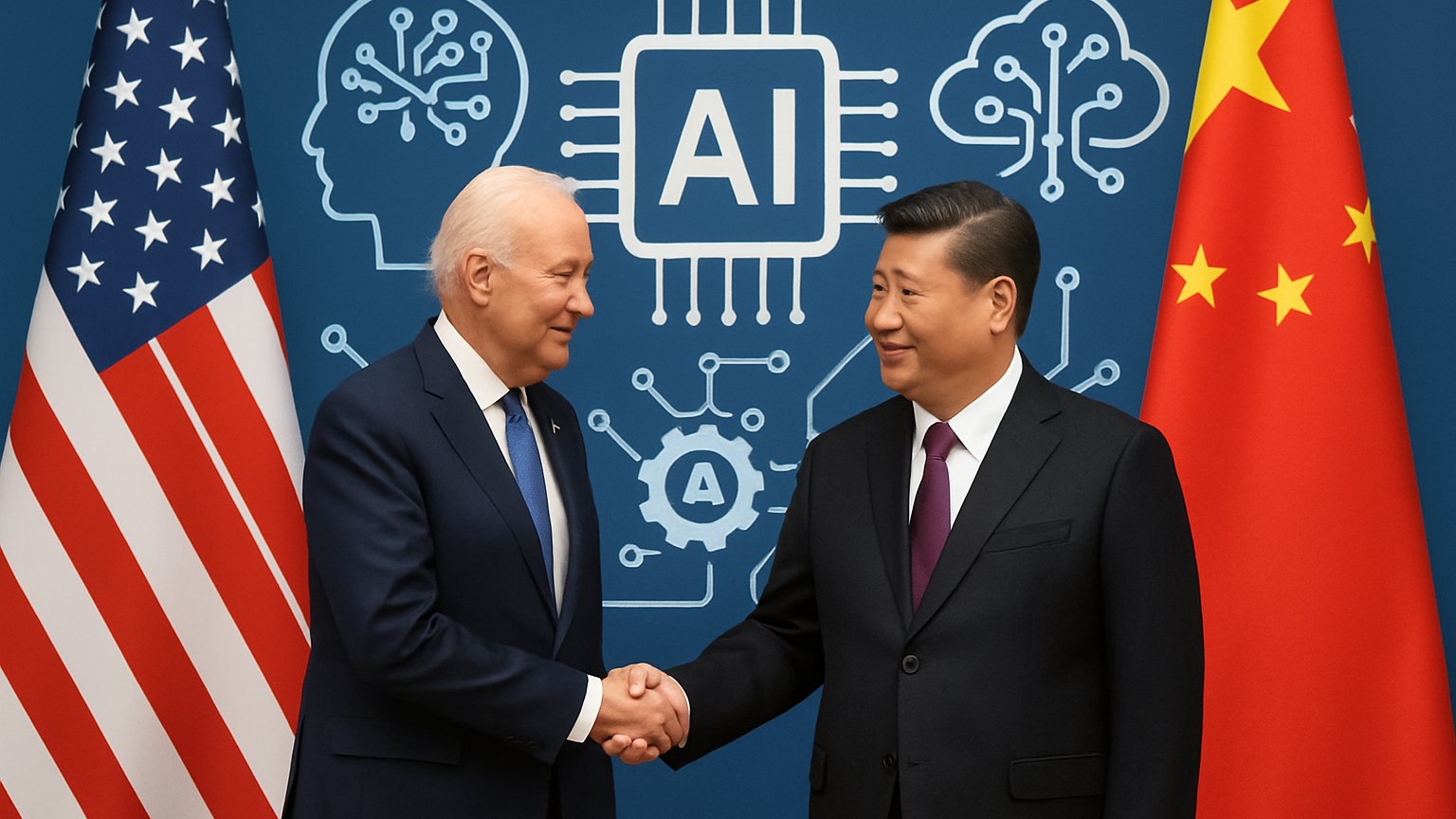
As the United States and China stand at the forefront of technological innovation, the upcoming AI summit between President Trump and Chinese President Xi Jinping has sparked significant interest. With shared concerns over AI safety, this summit offers a rare opportunity for collaboration, even amid escalating geopolitical tensions.
The Context of AI Development
AI technology has grown exponentially over recent years, permeating various sectors including healthcare, finance, education, and national security. Both the U.S. and China are investing heavily in AI research and development. According to a report by the McKinsey Global Institute, AI could contribute an estimated $13 trillion to the global economy by 2030. As these two nations lead in this transformative field, the stakes are undeniably high.
Shared Concerns Over AI Safety
A focal point of the summit will be the safety of AI technologies. As AI systems are increasingly implemented in critical applications, the potential risks associated with their deployment become more pronounced. Leaders from both nations have expressed concerns regarding ethical guidelines, misuse of AI in conflict scenarios, and the need for regulatory measures. The Brookings Institution highlights that without international cooperation, the competition for AI supremacy may exacerbate existing security dilemmas.
Potential for Cooperation
Despite the competitive landscape, there remains a potential for meaningful collaboration between the U.S. and China in addressing AI safety. Areas ripe for partnership include:
- Standards Development: Establishing joint international guidelines for the ethical use of AI technologies could mitigate risks associated with misuse.
- Research Collaboration: By pooling resources for basic AI research, both nations could foster innovation that benefits global society.
- Shared Security Frameworks: Developing mutually agreed-upon security frameworks could prevent escalation stemming from misunderstandings or unintended AI consequences.
These cooperative initiatives may serve not only to enhance safety but also improve diplomatic relations in a time of mistrust.
Challenges Posed by Geopolitical Rivalry
Nonetheless, the path toward cooperation is fraught with challenges. Three primary obstacles include:
-
Competing National Interests: With AI viewed as a strategic asset, both countries are likely to prioritize national security and economic interests over collaborative frameworks. This instinct is exacerbated by concerns surrounding data privacy and intellectual property theft.
-
Mistrust and Misunderstanding: The deep-seated rivalry between the U.S. and China has reached new levels, leading to skepticism about each other's intentions. This mistrust could hinder open dialogue about collaborative AI efforts, as each side may perceive the other as seeking dominance rather than partnership.
-
Regulatory Differences: Existing disparities in regulatory approaches to data privacy, security, and AI governance could pose significant roadblocks. For instance, while the U.S. generally advocates for less restrictive policies in fostering innovation, China’s more stringent regulations might complicate alignment on AI governance frameworks.
Voices from the Tech Community
Amid these challenges, thought leaders in the tech community are calling for increased dialogue. Experts suggest creating a platform for AI policymakers from both nations to convene regularly. A recent opinion piece in The New York Times underscored the need for consistent communication to ensure technologies are understood within their geopolitical context.
Conclusion
The US-China AI summit presents an unprecedented opportunity for both countries to engage in critical discussions about safe and ethical AI development. While there are legitimate concerns rooted in rivalry and competition, the shared implications of AI technologies may incentivize cooperation. As the summit approaches, the world watches closely to see if leaders can transform the dialogue around AI safety into collaborative action, redefining boundaries and establishing a framework that could serve as a model for future international cooperation.