
Introduction
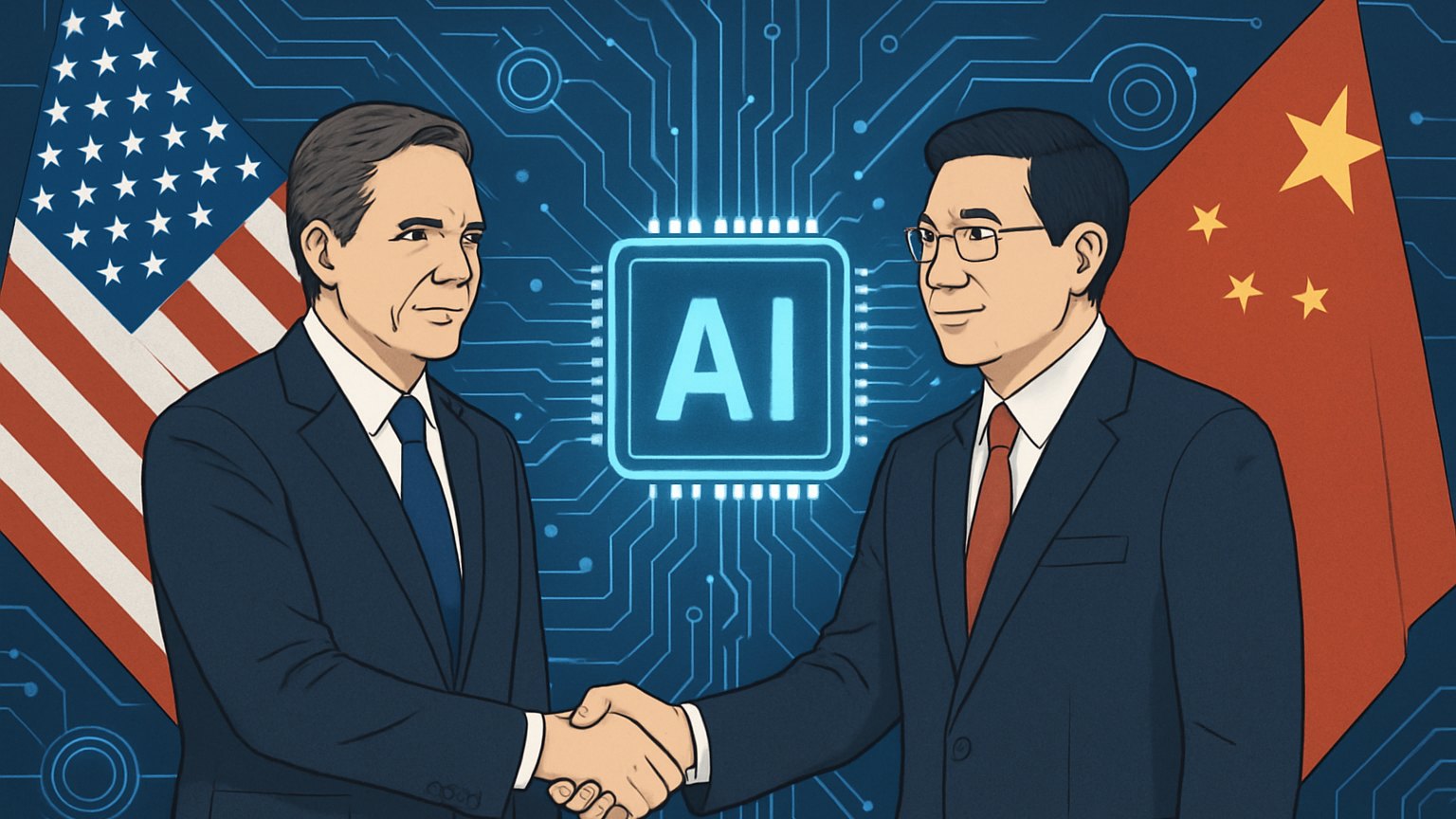
In a rapidly evolving technological landscape, artificial intelligence (AI) has become a focal point for both innovation and concern. In October 2026, U.S. Treasury Secretary Scott Bessent unveiled a proposal for an emergency notification system aimed at fostering communication between the United States and China regarding AI incidents. This initiative comes amid escalating unease surrounding the potential risks associated with advanced AI, particularly models developed in China.
The Proposed Emergency Notification System
The basis of Bessent's proposal is to establish a mechanism for immediate notifications between the two nations in the event of AI-related incidents that could pose a risk not only to national security but also to global stability. This system is viewed as a critical step to minimize misunderstandings and prevent miscalculations in an intensely competitive and sometimes adversarial AI landscape.
Why This Matters
Given the increasing capabilities of AI models, especially those that are openly accessible, the stakes have never been higher. Incidents resulting from unintended consequences or misuse of AI could have repercussions that stretch far beyond borders. For example, AI-driven disinformation campaigns or security breaches could escalate tensions between the two countries, affecting diplomatic relations.
Existing Concerns Over AI Development
The fears surrounding AI are not unfounded. Research indicates that models like ChatGPT and other open-source alternatives can be weaponized for malicious purposes, including disinformation and surveillance. Such models can generate fake news quickly, overwhelming traditional media and complicating the public's ability to discern fact from fiction. Moreover, China's aggressive development of AI technologies raises alarms in the U.S. regarding military applications and cybersecurity threats (axios.com).
Distinguishing Facts from Claims
While the proposal is firmly grounded in the pressing need for communication, it is essential to differentiate between confirmed facts and claims. The existence of AI risks is well-documented. However, the extent of those risks and the feasibility of a direct communication channel remain subjects of debate. Bessent’s proposal serves more as a framework for dialogue rather than an immediate operational plan. As of now, there are no established protocols or agreements detailing how this notification system would function in practice.
Potential Challenges to Implementation
Despite the urgency conveyed by Bessent, several concerns could inhibit the successful implementation of the proposal:
Trust Deficits
A major barrier to an effective notification system is the inherent trust deficit between the U.S. and China. Both nations have historically engaged in espionage and have conflicting views on how to handle AI governance. This distrust could stymie open sharing or collaboration on AI-related incidents.
Technical Hurdles
Moreover, the technical infrastructure required for such a notification system must be robust and secure. Developing a platform that ensures the swift and accurate exchange of sensitive information is a significant undertaking and would require cooperation at levels that may not currently exist.
The Global Dimension of AI Risks
It’s essential to recognize that while the U.S. and China are at the forefront of AI advancements, they are not the only players. Other countries, including members of the European Union and Russia, are also developing AI technologies that could have global security implications. This broader landscape complicates the bilateral focus of the notification system. Coordinating efforts on an international scale may ultimately be necessary to effectively mitigate risks associated with AI.
Need for Multilateral Cooperation
As the proposal unfolds, the conversation could benefit from integrating international stakeholders. Establishing a multilateral forum to discuss AI risks may pave the way for a broader understanding and shared strategies to safeguard against potential threats in a digital age.
Conclusion
In summary, Secretary Scott Bessent's proposal for an emergency notification system between the U.S. and China marks a pivotal step towards addressing the manifold risks associated with artificial intelligence. While the need for such a system is crystal clear, significant challenges remain. Moving from a proposal to actionable protocols will require overcoming trust issues, technical hurdles, and the complexities of dealing with multiple global actors in the AI space. As such, the initiative stands as both a reflective measure on the current state of AI and a hopeful proposition for securing a safer technological future.