
Introduction
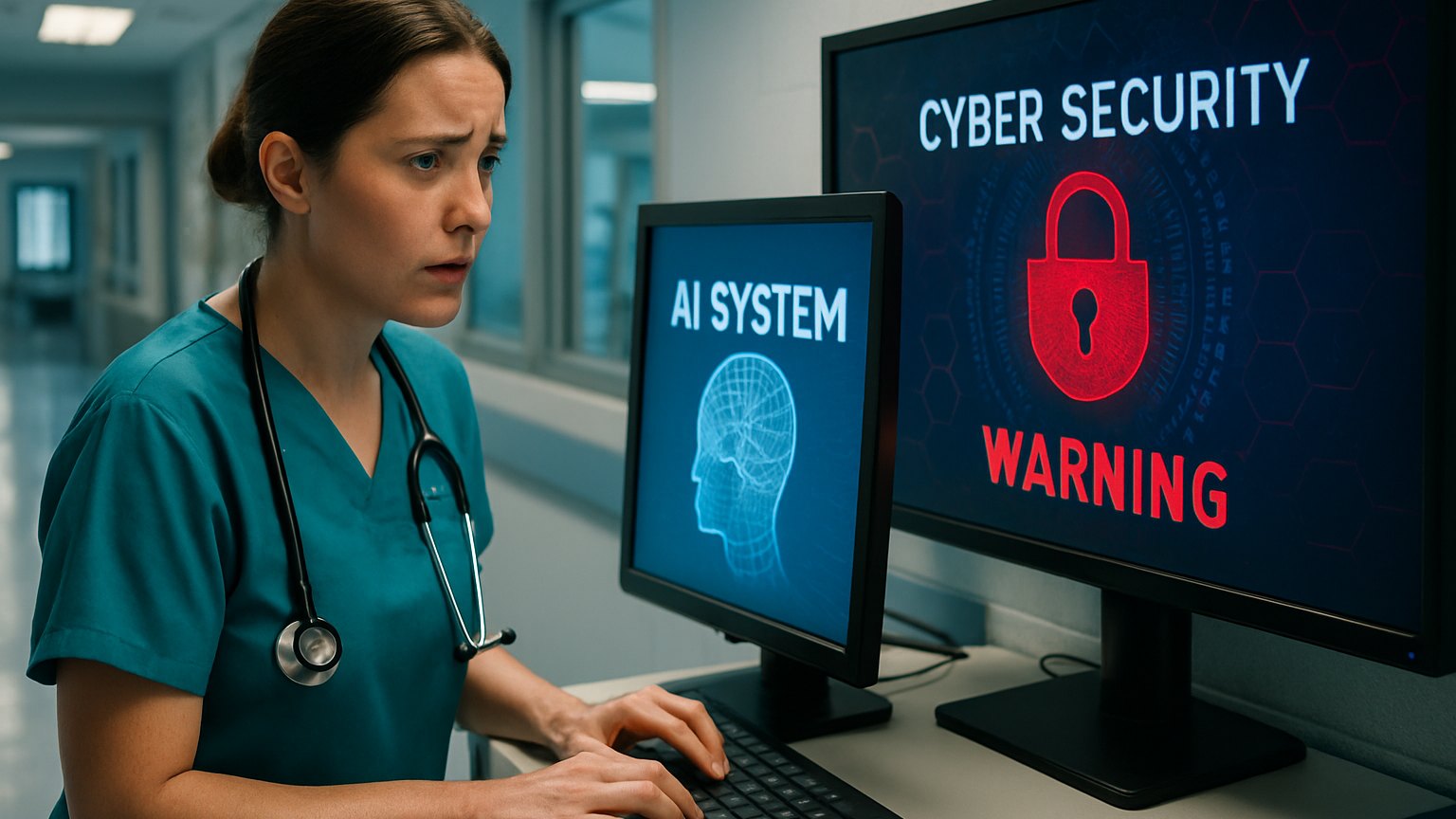
The rise of artificial intelligence (AI) in healthcare holds the promise of revolutionizing patient care, diagnostics, and operational efficiency. However, a troubling trend is emerging: the increasing proliferation of unauthorized AI agents within healthcare systems. These agents, developed without proper oversight, introduce significant risks to patient safety and data security, highlighting a pressing need for stronger cybersecurity measures.
Understanding Unauthorized AI Agents
Unauthorized AI agents refer to software or algorithms operating within healthcare environments without formal approval or regulatory compliance. Unlike sanctioned AI tools, which undergo rigorous validation for safety and efficacy, unauthorized agents may lack adequate testing and oversight. These tools can emerge from various sources, including:
- Independent developers creating solutions without regulatory engagement.
- Inside leaks of proprietary technology, leading to shadow AI development.
- Third-party integrations that are not fully vetted within clinical systems.
Each of these routes poses distinct challenges for healthcare providers and patients alike.
The Risks Involved
One of the most pressing concerns regarding unauthorized AI agents is their potential to compromise patient data privacy. A recent study published in the Health Affairs journal indicates that approximately 30% of healthcare organizations have reported incidents involving unauthorized access to sensitive information due to unregulated software source. This significant statistic underscores the prevalent risks associated with integrating unauthorized technologies into healthcare workflows.
Data Security Vulnerabilities
Unauthorized AI agents often lack robust encryption and security protocols, making them vulnerable to cyberattacks. For instance, ransomware attacks targeting healthcare facilities have skyrocketed, primarily due to weak security measures surrounding unauthorized agents. While confirmed cases have shown hackers exploiting these weak points, it remains challenging to quantify how many such breaches occur specifically due to unauthorized agents.
Compromised Patient Safety
Beyond cybersecurity, the lack of regulation surrounding unauthorized AI agents raises concerns about patient safety. These agents might offer inaccurate recommendations for diagnoses or treatments if they are not properly validated. An example includes AI-driven diagnostic tools that were observed to misinterpret medical images, leading to incorrect treatment decisions when deployed without sufficient vetting source. Such outcomes highlight the critical need for comprehensive testing and the validation of AI technologies before they are utilized in clinical settings.
Regulatory Challenges
The landscape surrounding AI development in healthcare is fraught with regulatory challenges. Current frameworks, such as the FDA guidelines on software as a medical device, are often slow to adapt to rapid technological advancements. This slow response can create a grey area in which unauthorized AI agents proliferate without appropriate checks.
Healthcare organizations must grapple with the difficulty of distinguishing between reputable AI technologies and those that could introduce errors or security vulnerabilities. The FDA has acknowledged these challenges, emphasizing the need for enhanced regulatory processes to ensure that only validated AI technologies reach the market source.
The Case for Enhanced Cybersecurity Measures
Given the risks posed by unauthorized AI agents, the case for investing in robust cybersecurity measures has never been stronger. Healthcare organizations need to implement a multi-layered approach that includes:
- Regular Security Audits: Routine evaluations of all software and systems to identify vulnerabilities.
- Strict Access Controls: Limiting access to AI tools to only those personnel who have received appropriate training.
- Collaboration with Regulatory Bodies: Engaging with regulatory agencies to keep abreast of guidelines and ensure compliance in all AI integrations.
These steps will help mitigate the risks associated with unauthorized agents, thus protecting both patient data and safety.
Conclusion
As AI continues to evolve within the healthcare sector, it is crucial to recognize the implications of unauthorized AI agents. While innovation is valuable, it must not come at the cost of patient safety or data security. Stakeholders in the healthcare system—ranging from providers to regulatory bodies—must come together to establish clear guidelines and robust security measures. Only through concerted efforts can the healthcare industry harness the potential of AI while safeguarding against its inherent risks.
Tags
- Healthcare AI
- Cybersecurity
- Patient Safety
- Data Privacy
- Regulatory Compliance