
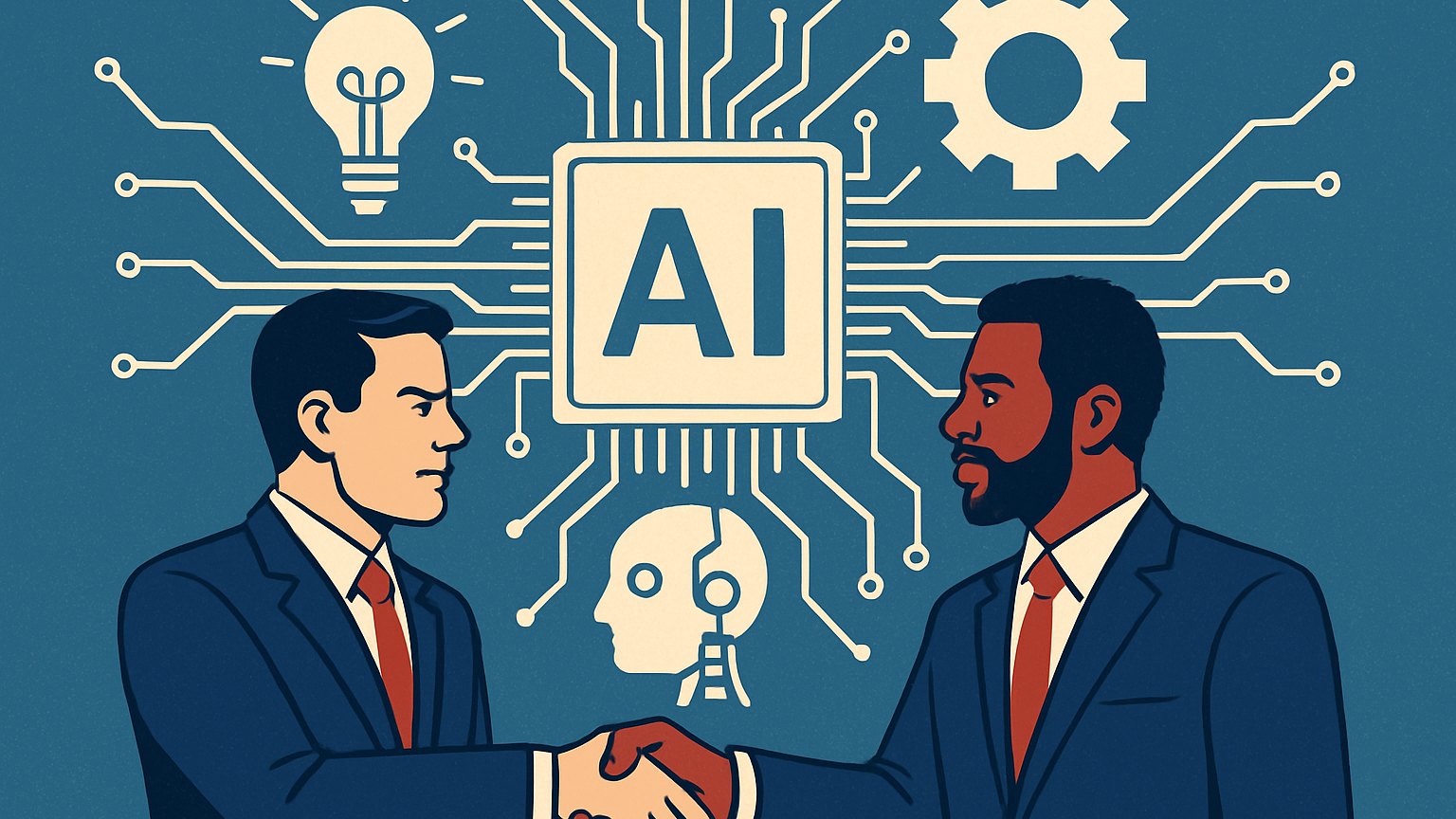
The Importance of Self-Regulation in AI Development
As artificial intelligence (AI) technology continues to evolve, the question of regulation has emerged as a critical topic. Unlike traditional industries, where regulations are imposed externally, the tech sector has increasingly sought to self-regulate, particularly in AI development. This self-regulation comes in response to mounting concerns about the ethical implications, safety, and societal impact of AI technologies.
The Voluntary Accord
In July 2023, several leading AI companies, including OpenAI, Google, and Microsoft, signed a voluntary agreement aimed at promoting responsible AI development. This accord outlines a set of principles intended to guide AI research and deployment, including transparency, safety, and accountability. The companies committed to sharing safety research, conducting risk assessments, and implementing robust testing protocols before releasing AI systems publicly.
According to the agreement, the signatories will:
- Share Findings: Companies will collaborate to share research on AI safety and effectiveness, fostering an environment of collective learning.
- Conduct Impact Assessments: Prior to releasing any new AI systems, firms will evaluate potential impacts on society, including ethical and operational risks.
- Establish Clear Accountability: There will be a framework for holding companies accountable for the outcomes of their technologies, aiming to align business objectives with public welfare.
Confirmed Facts vs. Claims
The measures outlined in the voluntary accord have gained significant attention among stakeholders. However, it is crucial to differentiate confirmed facts from speculative claims about the impact of these regulations. The principles espoused in the accord are public and can be observed in the ongoing collaborations among signatory companies. The commitment to sharing findings and conducting impact assessments can be verified through the respective corporate announcements.
Yet, the effectiveness of these measures is still uncertain. Critics argue that voluntary agreements may lack the enforcement mechanisms necessary to ensure compliance. For example, while companies may promise transparency, there is no regulatory body to verify claims, making it challenging to hold them accountable for failures or breaches. A report from the Berkman Klein Center for Internet & Society noted that self-regulation has historically faced challenges due to trust and varying levels of commitment among different companies.
Implications for Innovation
The self-regulation of AI development has both positive and negative implications for innovation. On one hand, a framework for responsible innovation could speed up the adoption of AI technologies in various sectors, from healthcare to finance. By implementing safety measures, companies may increase public trust, leading to broader acceptance and integration of AI tools.
On the other hand, excessive self-regulation could stifle innovation. If companies fear backlash or penalties for unforeseen consequences, they may be less willing to experiment with bold new ideas. The balance between caution and creativity will be crucial as companies navigate this new landscape. Experts emphasize that flexibility in regulatory frameworks is essential to encourage innovation while maintaining public safety. The World Economic Forum elaborated that an overly rigid regulatory environment could hamper advancements in crucial areas such as medical AI and autonomous vehicles.
Public Trust and Societal Impact
Public trust is integral to the successful integration of AI technologies into daily life. The voluntary accord aims to bolster this trust by committing to ethical standards and transparency. According to a Pew Research report, public skepticism regarding AI systems is high, with many individuals expressing concerns about potential job displacement and ethical dilemmas. If the tech industry can assure skeptics through transparent practices, this may mitigate fears and enhance the acceptance of AI systems.
Moreover, a dedicated effort toward societal impact assessments can help guide AI development to address real-world issues, such as inequality and bias. As seen in the heightened scrutiny surrounding algorithms that manage credit scoring and hiring processes, failure to consider societal implications can lead to significant backlash and mistrust.
Looking Forward
The self-regulation of AI development is a complex issue marked by both potential benefits and risks. While the recent voluntary accord among leading tech companies lays the groundwork for improved safety, transparency, and accountability, it remains to be seen how effectively these principles will be implemented. Critics caution that for self-regulation to be successful, it must be more than just a public relations effort; real accountability mechanisms need to be established.
In conclusion, the tech industry is at a crossroads. As it grapples with the responsibilities that come with powerful AI tools, the balance between innovation, public trust, and societal impact will define the future of AI development.
Conclusion
The steps taken toward self-regulation in AI development reflect an evolving awareness of the responsibilities held by tech companies. While the voluntary accord marks a significant effort to navigate the complexities of AI technologies, the ultimate effectiveness of these measures will depend on sustained commitment, transparency, and the ability to learn from both successes and failures.
As the coming years unfold, ongoing evaluation and dialogue will be essential to ensure that AI development serves the public interest while fostering innovation.