
Introduction
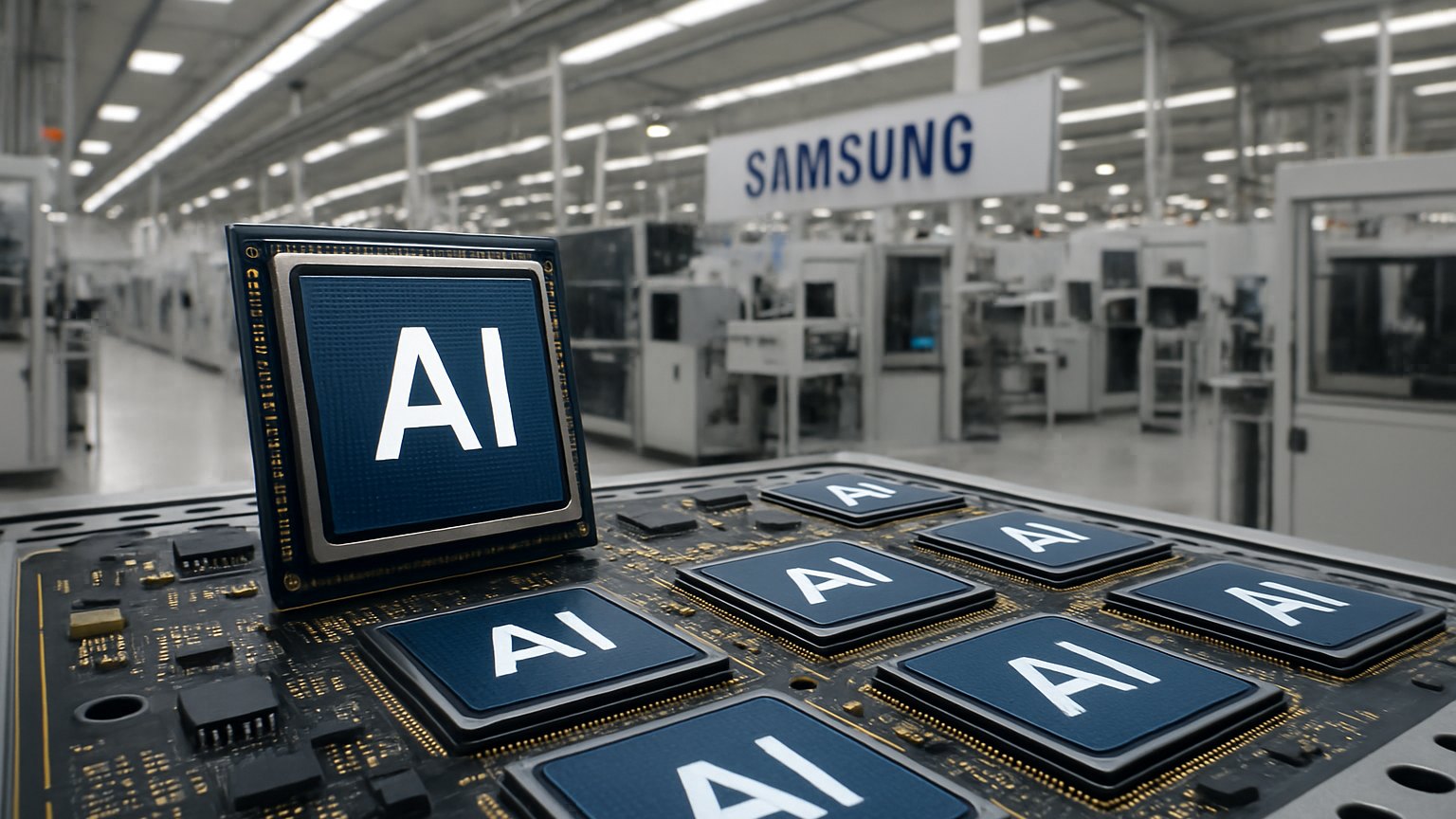
Samsung Electronics has recently reported a significant surge in its projected profits for the third quarter of 2023, largely attributed to the booming demand for artificial intelligence (AI) memory chips. This development underscores the growing importance of AI technologies in the semiconductor market and highlights Samsung's strategic positioning within this evolving landscape.
Profit Projections
According to Samsung's earnings guidance, the company is expected to post an operating profit of approximately 7.7 trillion won ($5.7 billion) for Q3 2023, marking a more than 16% increase compared to the previous quarter. This surge in profits is notably driven by the skyrocketing demand for AI-related components, especially memory chips designed for advanced computing tasks. This update was reported by Reuters.
The Role of AI in Semiconductor Demand
As the world increasingly embraces AI technologies, the need for high-performance memory storage has escalated. AI applications require vast amounts of data processing capabilities, making memory chips a crucial element of effective AI hardware. According to industry analysts, companies involved in AI research and development are increasingly seeking powerful memory solutions to ensure their systems can handle complex calculations and data workflows efficiently.
Market Dynamics
In recent months, AI-driven advancements in technology have not only bolstered demand for memory chips but also elevated prices in the market. Samsung’s ability to adapt its production capabilities to meet this demand has positioned it favorably against competitors. The company has shifted its focus to target sectors that are heavily investing in AI, solidifying its role as a leading supplier in the market.
Strategic Investments in AI Technology
Samsung has invested heavily in research and development (R&D) for AI technologies. In its most recent quarterly conference call, executives highlighted the ongoing enhancements to their advanced semiconductor technologies that cater specifically to AI applications. This proactive approach allows Samsung to remain ahead of the curve in a competitive landscape marked by rapid technological evolution.
Moreover, strategic partnerships with AI enterprises and cloud service providers also support Samsung's position, enabling it to understand market demands better and refine its product offerings effectively.
Competitive Landscape
Samsung's profit projections are largely favorable when compared to its competitors in the memory chip sector, such as SK Hynix and Micron Technology. While all of these companies face the challenge of integrating AI demand into their production lines, Samsung’s established infrastructure and R&D initiatives give it a competitive advantage. Notably, Samsung plans to leverage its early mover advantage in AI memory technology to capture a larger market share.
However, this does not mean a risk-free journey. Experts have raised concerns about potential oversupply in the market if demand does not continue at its current pace. This speculation emphasizes the need for companies, including Samsung, to maintain flexibility in production and inventory management.
Economic Implications
The implications of Samsung's profit surge extend beyond the company itself. As a major player in the global semiconductor industry, Samsung's success is likely to impact the broader economy. A sustained growth period for AI memory chip demand could generate significant capital investment in technology sectors, stimulate job creation, and contribute to advancements in AI integration across various industries.
It also raises questions about long-term industry sustainability as dependence on AI technologies escalates. Current trends suggest that the semiconductor industry, being cyclical in nature, may face challenges if a slowdown occurs. Understanding these dynamics will be crucial for stakeholders in the technology space.
Conclusion
Samsung's expected profit increase for Q3 2023 clearly illustrates the vital role AI technology plays in shaping the semiconductor industry. As demand for AI memory chips continues to grow, the company’s strategic focus on innovation and adaptability will likely provide it with a competitive edge in the market. With potential economic implications contributing to overall semiconductor industry growth, the spotlight is on Samsung to see how it navigates these opportunistic yet challenging waters in the coming months.