
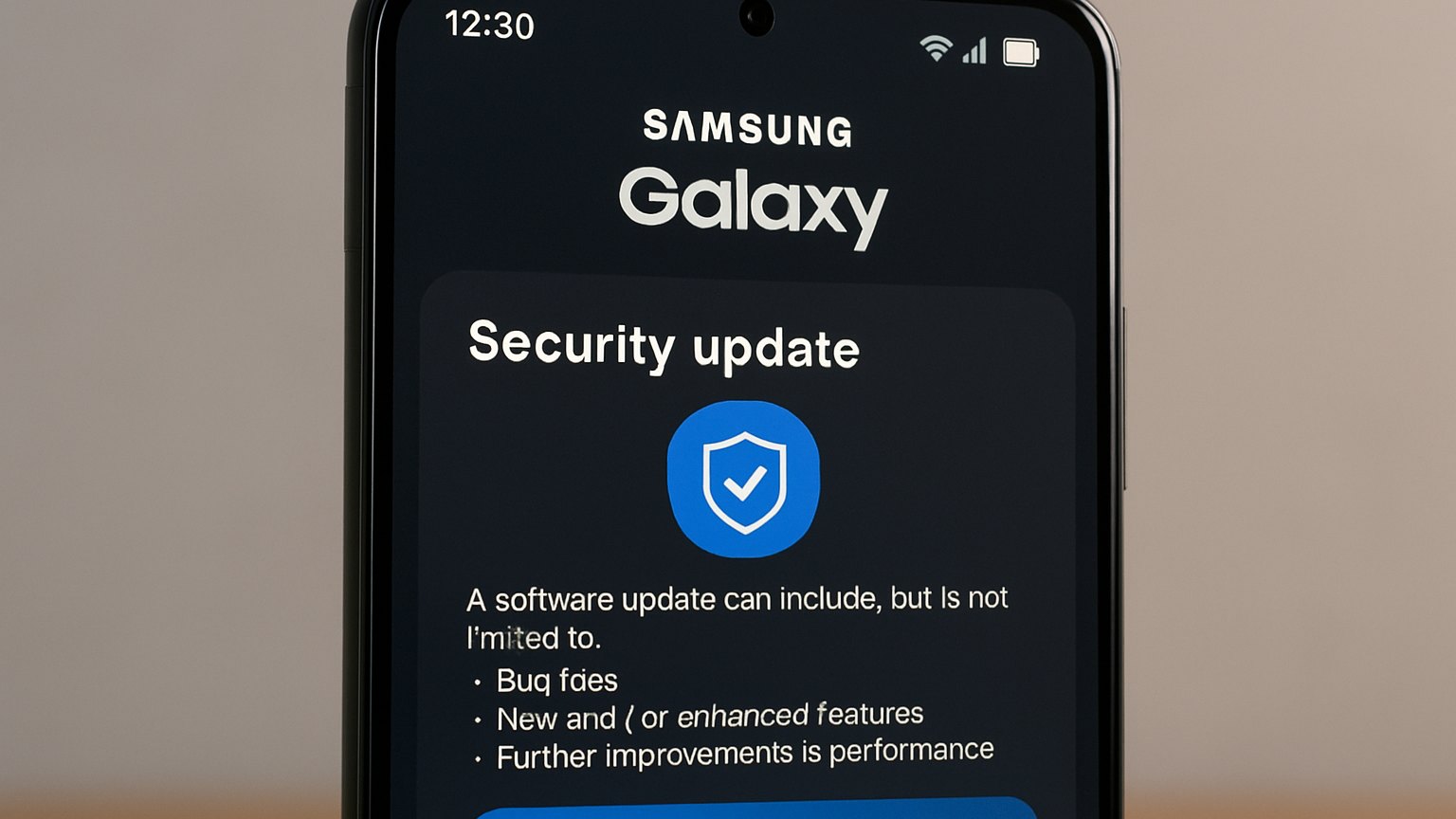
Overview of the Security Flaws
In October 2026, Samsung rolled out a critical security update intended to address several vulnerabilities within its Galaxy devices. This update fixed nine major Android vulnerabilities along with multiple Galaxy-specific flaws. Among the most concerning issues highlighted in the update were vulnerabilities that could allow attackers with local access to execute arbitrary code, potentially compromising user data and device functionality.
Importance of the Security Update
The release of this update is significant for a couple of reasons. First, as Samsung continues to release updated versions of Android, it is critical to ensure that users have protections in place against new exploits. The presence of multiple flaws within the operating system and device-specific elements poses a layered threat, making the deployment of this security patch both a necessity and a response to ongoing security challenges in the ecosystem.
Second, the ability for local attackers to exploit these vulnerabilities raises concerns regarding physical security. The implications are particularly worrying when considering that even unauthorized physical access to a device could lead to significant consequences for a user’s privacy and data integrity.
Confirmed Vulnerabilities
According to reports from TechRepublic, the update addresses nine critical vulnerabilities classified under the Android operating system. These include:
- Privilege escalation vulnerabilities: Flaws that allow unauthorized applications to gain administrative access.
- Information leakage vulnerabilities: Bugs that might expose sensitive user information to malicious apps.
- Remote code execution vulnerabilities: Issues that could let an attacker run code from a remote location under certain conditions.
Specifically, the Galaxy device-specific vulnerabilities are alarming due to their potential for abuse. They are aimed at enabling a local attacker to run unwanted commands within the device, which could lead to full device takeover or extensive data compromise.
Claims versus Reality
While Samsung has confirmed the existence of these vulnerabilities and their fixes through the October update, some concerns remain speculative. Analysts and cybersecurity experts have suggested that while the update significantly cuts down the risk of potential breaches, it might not address all underlying vulnerabilities. Moreover, Samsung has not detailed the specific conditions under which a local attack could happen, leaving some uncertainty in the community regarding mitigation efforts beyond the update.
Additionally, the nature of security vulnerabilities is always evolving, which invites speculation about whether these fixes will suffice in the face of emerging threats. Given the trend of increasing sophistication in cyber attacks, users should remain vigilant even after applying the latest updates.
The Role of Monthly Security Patches
The October 2026 update not only provides critical patches but also highlights the importance of ongoing monthly security updates, which are part of Samsung's commitment to device security. Monthly patches generally include fixes for both Google’s Android OS and Samsung's custom layer of software, which can include proprietary features and applications on Galaxy devices.
By regularly updating devices, Samsung helps users mitigate risks associated with new threats, ensuring that the devices remain secure in an environment fraught with vulnerabilities. This consistent approach reduces the window of opportunity for attackers, making devices less attractive targets. However, the challenge lies in ensuring that all users are aware of and actively install these updates in a timely manner.
User Recommendations
For Galaxy device users, it is crucial to remain updated not only on the latest Android and Samsung updates but also on best security practices:
- Enable automatic updates: This ensures that your device receives the latest security patches without delay.
- Regularly review app permissions: Understanding which apps have access to sensitive information can help mitigate the risk of unauthorized data access.
- Utilize security software: Additional security measures can offer enhanced protection against a range of threats, including those that may exploit the existing vulnerabilities.
Conclusion
The October 2026 security update for Samsung's Galaxy devices serves as a stark reminder of the ongoing battle between device manufacturers and cybersecurity threats. While the confirmed vulnerabilities underscore the need for a proactive approach to security, the speculative nature of persistent threats indicates that vigilance will remain critical. As attackers continue to evolve, so too must the strategies employed to protect users. Samsung's efforts in providing these security updates illustrate a recognition of their responsibility towards user security, but they also highlight the importance of user awareness in safeguarding personal data and device integrity.