
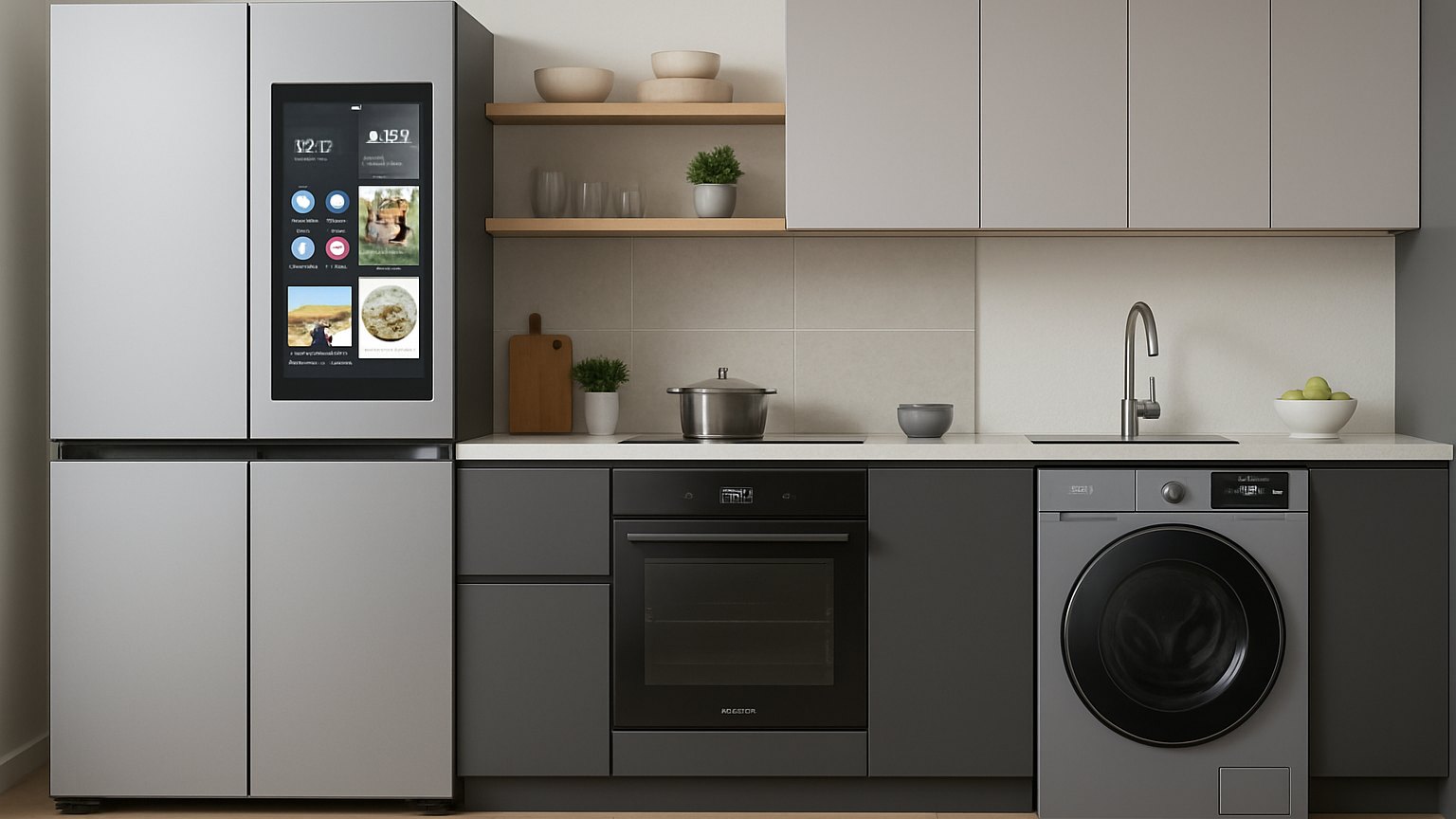
Introduction to Samsung's AI Innovations
At CES 2026, Samsung has once again positioned itself at the forefront of smart home technology with the introduction of its AI-powered Bespoke appliances. This unveiling signifies a decisive shift in how artificial intelligence can be integrated into everyday household items, promising to enhance convenience, personalization, and overall user experiences.
What Are Bespoke Appliances?
Samsung's Bespoke range is known for its customizable designs, allowing consumers to tailor their appliances' aesthetics to fit their home décor. Historically, this line has included refrigerators, washing machines, and ovens, designed not only for functionality but also to blend seamlessly into modern living spaces. The latest AI enhancements aim to take this concept a step further by embedding smart technology that learns user preferences and habits.
AI Integration: Features and Functionality
The stand-out feature of these AI-powered appliances is their ability to adapt operations based on user behavior. Here are some key advancements detailed by Samsung:
Predictive Learning
Samsung's new appliances are equipped with machine learning algorithms that analyze data patterns. For example, an AI-enabled refrigerator can learn a household's shopping habits, adjusting cooling functions to optimize energy use and ensure food freshness. Similarly, washing machines can assess fabric types and load sizes, recommending optimal wash cycles or even adjusting water temperature automatically.
Voice Interaction
Built with enhanced voice recognition capabilities, these appliances can respond to specific commands, allowing users to control features hands-free. This integration with smart assistants streamlines daily tasks, enabling users to focus on other activities.
Energy Efficiency
The AI technology embedded within the Bespoke appliances also focuses on sustainability. For instance, the washing machines monitor energy consumption, adjusting machine settings to conserve power during off-peak hours. Samsung estimates that this smart scheduling could lead to significant energy cost savings over time.
User Personalization
One of the more compelling aspects of Samsung's AI offerings is the tailored user experience they promise. By learning and remembering individual preferences, these appliances can offer recommendations that make daily chores more efficient:
- Customized Cooking Recipes: The AI oven can suggest meal ideas based on what is available in the refrigerator, optimizing meal prep for the user.
- Smart Notifications: Users receive alerts about maintenance needs or reminders for essential tasks such as filtering changes in water or air quality.
Impact on Daily Life
The integration of AI into home appliances aims to make everyday living more convenient. For families, this means less time spent on mundane tasks and more quality time spent together. As households continue to seek solutions that blend technology with efficiency, Samsung's Bespoke appliances present a compelling case for the role of AI in enhancing daily life.
Industry Implications
Samsung's move to integrate AI within their Bespoke line signifies not just a technological advancement for the company, but potentially a shift in the appliance industry as a whole. Other manufacturers may need to follow suit, sooner rather than later, to remain competitive in a market that is increasingly focusing on smart, connected devices. As consumers become more tech-savvy and demand intelligent appliances, the industry may see rapid development in this space.
Challenges and Considerations
While the adoption of AI in home appliances carries significant benefits, there are associated challenges to consider. Data privacy concerns are paramount; users must trust that their information will be protected. Ensuring security protocols are robust will be essential to gaining consumer confidence in these innovations.
Moreover, the sustainability of manufacturing these advanced appliances raises questions about resource consumption and environmental impacts. Samsung will need to not only focus on the energy consumption of the appliances themselves but also on the materials and processes used in their production.
Conclusion
Samsung's introduction of AI-powered Bespoke appliances at CES 2026 marks a pivotal moment in the evolution of smart home technology. With features that promise to enhance personalization, efficiency, and user convenience, these innovations are poised to reshape how consumers interact with their home appliances. As industry competitors respond and seek to innovate, the future of home design and technology stands as a fascinating frontier.
By enhancing the interplay between technology and daily life, Samsung may very well be setting the standard for what we can expect in a smart home in the forthcoming years.