
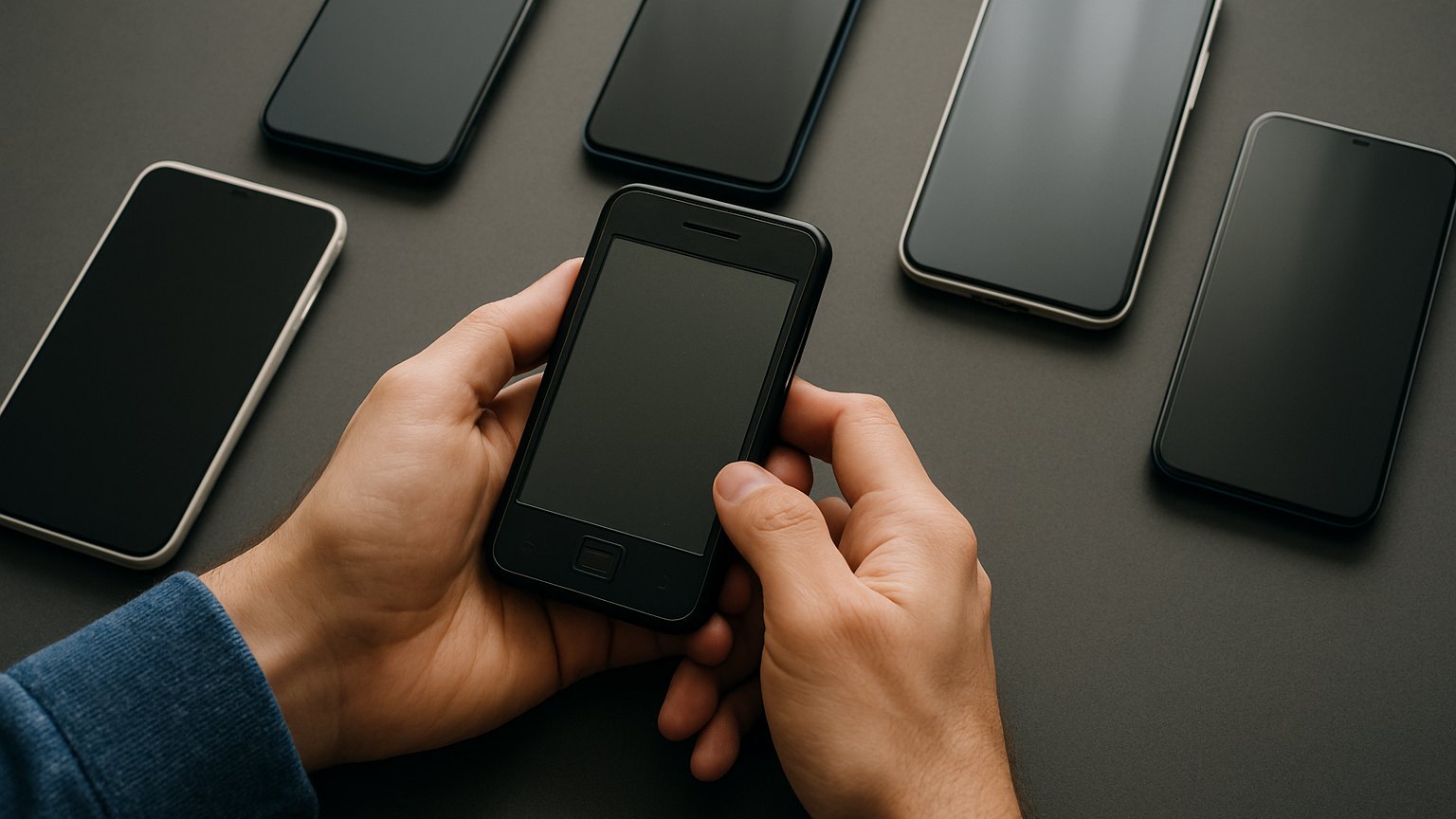
The Growing Trend of Resistance
In recent years, the tech industry has witnessed an increasing trend of consumers pushing back against frequent tech upgrades. This phenomenon has been fueled by a combination of economic concerns, environmental awareness, and a sense of satisfaction with existing technology. Understanding the motivations behind this resistance reveals significant implications for the tech sector.
The Economic Impact
One of the most pronounced factors driving resistance to frequent upgrades is economic uncertainty. Consumers are becoming more cautious about their spending, particularly in a climate marked by rising inflation and global economic instability. According to a Pew Research study, 67% of Americans reported they were concerned about their financial situation in 2022. This concern translates directly into purchasing behavior, with many choosing to hold onto devices longer rather than upgrading every few years.
Cost vs. Value
Consumers are reevaluating the cost versus value of upgrading. A report from Gartner notes that while new features are frequently marketed, many users find their existing devices are more than adequate for their needs. Feedback from users indicates that only a small fraction are motivated by cutting-edge features. In fact, many still consider their three to four-year-old devices capable of satisfactory performance.
Environmental Concerns
Another critical factor contributing to resistance is growing environmental consciousness. The tech industry has faced increasing scrutiny over e-waste and sustainability. The United Nations estimates that the world generated 53.6 million metric tons of e-waste in 2019, and this number is expected to rise significantly. Consumers are becoming aware that every upgrade contributes to this problem, leading many to prefer to maintain their existing devices.
Sustainable Choices
A survey from Nielsen showed that 73% of millennials are willing to pay extra for sustainable products. This statistic highlights a shift in consumer preferences toward more environmentally friendly tech options. Companies that fail to address sustainability may not only face a loss of reputation but also a decline in sales as eco-conscious consumers choose to keep their existing devices longer.
Technological Saturation
In recent years, many technological advancements have reached a stage of saturation. For example, with smartphones, core functionalities such as camera quality, battery life, and processing speed have become remarkably similar across various brands and models. As available features plateau, consumers are less inclined to upgrade frequently. This trend aligns with Counterpoint Research, which showed that global smartphone sales declined for the first time in 2020, highlighting a potential market saturation.
Consumer Sentiment
Market analysis also indicates a growing sentiment among consumers that frequent upgrades are unnecessary. Many users express satisfaction with their devices’ capabilities, feeling inundated by marketing claims promising exaggerated improvements. A report from The Verge found that many consumers simply want their devices to work reliably rather than chase the next big feature. This fundamental change in expectation has serious implications for manufacturers who rely on frequent upgrades for revenue.
Implications for the Tech Industry
The resistance to frequent upgrades poses significant challenges for tech companies. As more consumers hold onto their devices longer, manufacturers may face revenue declines. Apple, for example, has shifted focus toward services like Apple Music and iCloud, suggesting a recognition of this trend. According to Statista, Apple's service revenue increased significantly in 2022, indicating a pivot to sustainable income as hardware sales slow.
Adaptation Strategies
To counteract these trends, companies will need to rethink their business strategies. Here are several potential approaches:
- Enhanced Longevity: Manufacturers could prioritize durability and long-term software support, instilling a sense of trust and reliability in consumers.
- Flexible Upgrade Plans: Introducing subscription models or trade-in programs might incentivize users to upgrade less frequently but still engage with new technologies.
- Customization Options: Allowing users to personalize their devices through modular components could also extend the lifespan of existing tech, catering to consumer desire for individuality without the need for full upgrades.
Conclusion
The growing resistance to frequent tech upgrades indicates a shift in consumer behavior influenced by economic factors, environmental concerns, and technological saturation. For the tech industry, understanding and adapting to these changing preferences will be vital. Embracing sustainable practices, enhancing product durability, and offering innovative ownership models could position companies for success in a landscape that increasingly values resilience and environmental responsibility over immediate consumption. As these trends continue to unfold, the tech industry may find that the best upgrade is not more technology, but a deeper connection with consumer values.