
Introduction: The Evolution of Mobile Processors
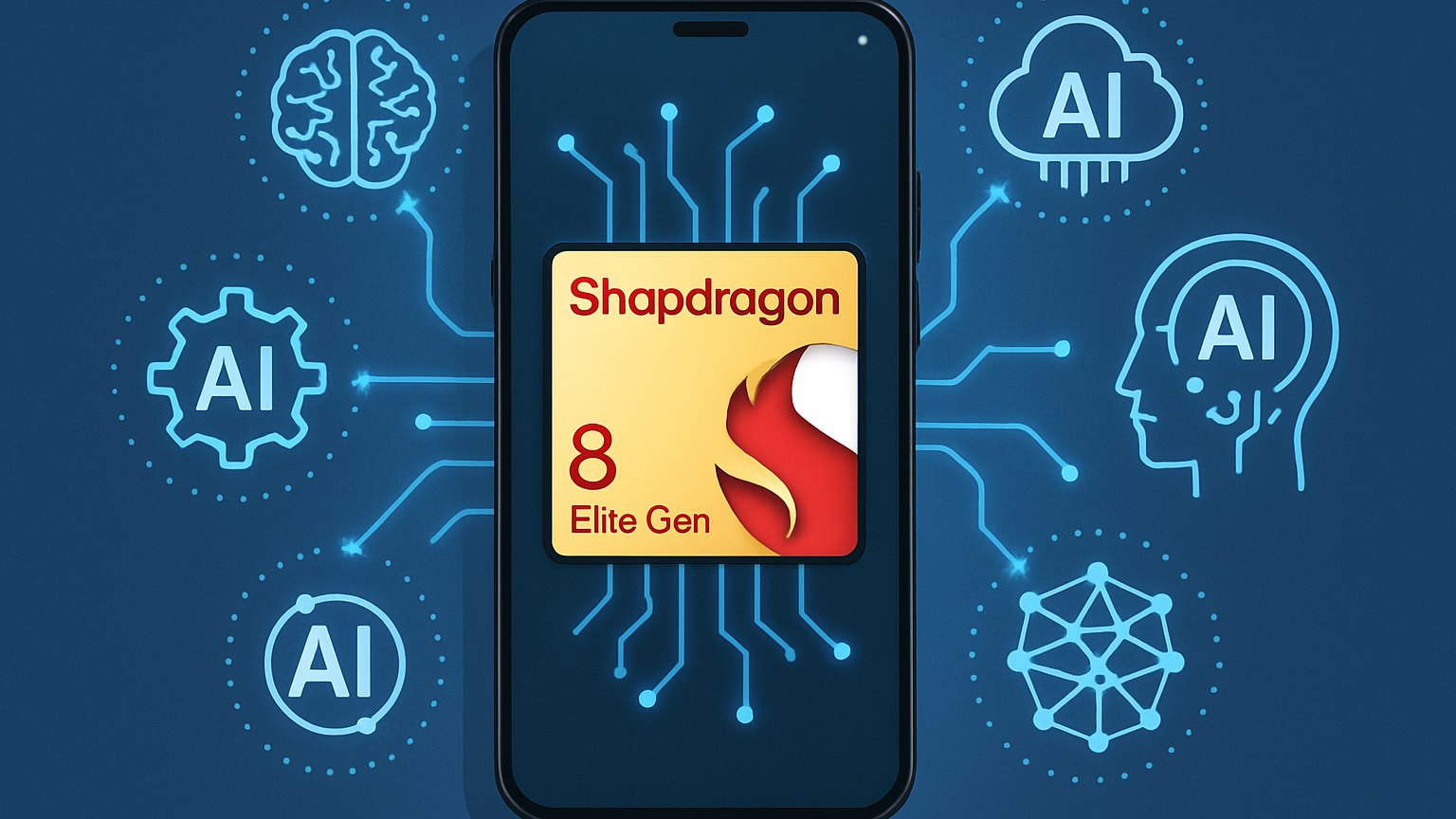
Qualcomm has unveiled its next generation of mobile processors, the Snapdragon 8 Elite Gen 6 lineup. As smartphone technology continues evolving, this latest addition aims to enhance on-device artificial intelligence (AI) capabilities, positioning smartphones as new hubs for AI processing. With the introduction of 2nm silicon technology and advanced Neural Processing Units (NPUs), Qualcomm is shifting toward a future where personal AI agents become an integral part of everyday smartphone use.
What is the Snapdragon 8 Elite Gen 6?
The Snapdragon 8 Elite Gen 6 represents Qualcomm's latest foray into high-performance mobile processors, particularly focusing on AI capabilities. The significant features include:
- 2nm Process Technology: This improvement in silicon fabrication allows for denser transistor designs, enhancing performance and energy efficiency.
- Advanced NPUs: The new lineup is equipped with an advanced NPU architecture capable of executing complex AI tasks rapidly and efficiently, further enhancing the user experience on mobile devices.
- Continuous Contextual Sensing: This feature allows the device to understand and react to user behavior in real-time, providing personalized recommendations and automating tasks.
Why This Development Matters
Enhancing On-device AI Processing
The introduction of 2nm technology is a game-changer. Smaller transistors mean higher performance per watt and decreased heat generation, which is especially vital for maintaining battery life in smartphones. According to Qualcomm, this advancement enables smartphones to manage highly sophisticated AI applications without relying heavily on cloud services, therefore improving response times and user privacy.
High-performance NPUs will enable consumer devices to manage complex tasks locally. As reported by sources like Android Authority, this could lead to significant improvements in features such as real-time image recognition, speech processing, and dynamic content recommendations.
AI Agents in Everyday Life
Continuous contextual sensing means that smartphones will essentially become more intuitive, understanding user behaviors and adapting accordingly. Qualcomm's emphasis on persistent personal AI agents aims to create a device that learns from a user’s habits and preferences over time. Imagine a smartphone that automatically adjusts settings, recommends apps based on usage patterns, or even alters notifications based on context—this is the potential Qualcomm is aiming for.
Market Implications
Qualcomm’s strategy to position its chips in the realm of personal AI has far-reaching implications for the smartphone market. With increasing competitive pressure from manufacturers like Apple and Google, both of which have made strides in AI integration, Qualcomm appears focused on reclaiming its standing as a leader in mobile chip technology.
Competitive Landscape
Although the exact specifications and performance metrics of the Snapdragon 8 Elite Gen 6 have yet to be fully divulged, preliminary assessments suggest a notable leap in capabilities. Companies that leverage these chips could offer distinct advantages in terms of enhanced user experiences, making them more appealing to consumers. This may also encourage other smartphone makers to ramp up AI integration, fostering innovation across the entire industry.
Consumer Adoption and Expectations
While Qualcomm’s vision is ambitious, its reception largely depends on whether end-users find value in these capabilities. The implementation of advanced AI features could enhance functionalities that consumers appreciate, but there is also a risk of overwhelming them. It's crucial for Qualcomm and its partners to ensure that these features are intuitive and enhance rather than complicate the user experience.
Challenges Ahead
Implementation and Development Risks
Despite the promising features, challenges remain. Industry analysts have highlighted the risk of fragmented experiences across different devices due to varying manufacturer implementations. While Qualcomm can provide the necessary tools and frameworks, the actual user experience will heavily depend on how OEMs integrate these technologies.
Privacy Concerns
Another concern revolves around privacy and security. Continuous contextual sensing may raise alarms concerning user data usage. Transparency in how data is handled will be essential for garnering user trust, especially given the increasing scrutiny on data practices within the tech industry.
Conclusion
The Snapdragon 8 Elite Gen 6 lineup is poised to redefine mobile AI processing and revolutionize how smartphones function in users’ lives. By integrating powerful hardware advancements with intelligent, context-aware software capabilities, Qualcomm is betting on a future where smartphones aren't just communication devices but personal AI assistants.
As the world increasingly gravitates towards AI-driven solutions, the successful adoption of these advancements could set new benchmarks for what is expected in the smartphone market in the years to come. The onus will be on manufacturers to ensure that they leverage these capabilities effectively while addressing the accompanying challenges.