
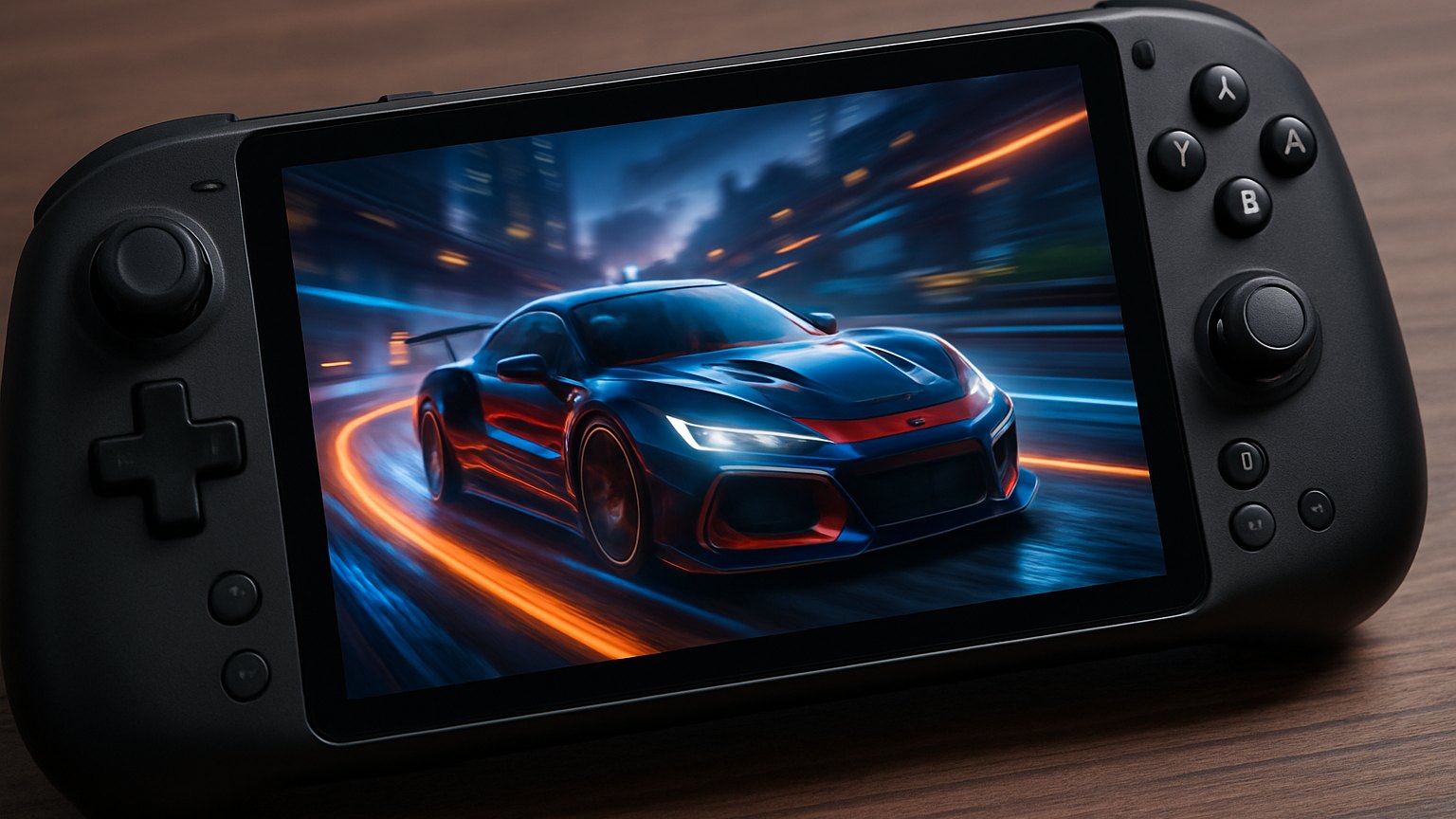
Introduction to Adreno Neural Fusion GPU
Qualcomm's latest innovation, the Adreno Neural Fusion GPU, promises to revolutionize the mobile gaming landscape by integrating advanced AI-driven rendering technology. With competitors like Apple and NVIDIA making rapid strides in mobile graphics, Qualcomm's new offering not only aims to enhance gameplay but also solidifies its standing in the competitive mobile chipset market.
What is the Adreno Neural Fusion GPU?
The Adreno Neural Fusion GPU, part of Qualcomm's Adreno architecture, is designed specifically to leverage artificial intelligence (AI) in rendering graphics. Unlike traditional GPUs, which process graphics through a series of predefined algorithms, the Adreno Neural Fusion GPU adapts in real-time, employing AI to optimize rendering, textures, and effects. This allows for richer graphics and smoother gameplay, potentially transforming how players experience mobile games.
Technical Specifications
While Qualcomm has shared limited details, certain specifications have been confirmed:
- Processing Power: The Adreno Neural Fusion GPU boasts a significant increase in cores compared to its predecessors, enhancing its ability to handle complex calculations faster.
- Memory Interface: With an improved memory interface, the GPU aims to reduce bottlenecks during data processing, allowing for high-quality textures and better frame rates.
- AI Integration: Built-in AI capabilities enable predictive rendering, meaning the GPU can anticipate player actions and optimize graphics accordingly, ensuring fluid gameplay.
These enhancements signal a leap forward not only in graphical fidelity but also in the efficiency of mobile gaming, making titles more visually appealing while conserving power.
Expected Performance Improvements
Graphics Fidelity
One of the standout features of the Adreno Neural Fusion GPU is its potential to elevate graphics fidelity. The AI-driven rendering technology allows the GPU to analyze gameplay dynamically, adjusting graphics based on performance requirements and aesthetic demands. This results in a more immersive experience with higher frame rates and resolutions across various devices, especially on flagship smartphones that push the boundaries of mobile gaming.
Frame Rate Optimization
AI integration also plays a crucial role in frame rate optimization. By predicting actions and adjusting rendering priorities, the GPU can maintain a consistent frame rate, even in graphically intense scenes. This not only enhances the visual experience but also provides players with smoother control during fast-paced gameplay.
Dynamic Texturing
Another notable improvement is in dynamic texturing. As environments in games become more complex, the need for real-time adjustments becomes critical. The Adreno Neural Fusion GPU is expected to handle this seamlessly, providing textures that adapt based on the scene's complexity and the player's interactions.
Impact on Mobile Gaming Graphics
Enhanced User Experience
For casual and hardcore gamers alike, enhanced graphics lead to a more enjoyable user experience. With the Adreno Neural Fusion GPU's capabilities, developers can push the limits of game design, creating visually stunning titles that were previously thought to be exclusive to traditional gaming consoles or high-end PCs.
Developer Opportunities
This innovation also presents significant opportunities for game developers. With the ability to create richer, more dynamic environments that adapt in real-time, developers may find new creative avenues to engage players. The integration of AI allows for innovative gameplay mechanics, enhancing storytelling and driving player immersion.
Qualcomm’s Position in the Competitive Market
Standing Against Rivals
Qualcomm's entry into AI-enhanced graphics places it in direct competition with powerful players like Apple and NVIDIA, who have also been advancing GPU technology rapidly. Apple's A15 and A16 Bionic chips already showcase significant graphics capabilities, and NVIDIA's expertise in AI-driven technology is well-established.
Strategic Advantage
By emphasizing AI-driven rendering with the Adreno Neural Fusion GPU, Qualcomm aims to carve out a niche that leverages both improved graphics and energy efficiency. This strategic advantage could attract a wide array of developers looking for a performance-oriented platform that does not compromise on graphics quality.
Conclusion
As the gaming industry increasingly shifts towards mobile platforms, Qualcomm's Adreno Neural Fusion GPU emerges as a pivotal development that could reshape mobile gaming. With promises of enhanced graphics, optimized performance, and improved user experiences, it stands to not only strengthen Qualcomm's market position but also influence the future of mobile gaming as a whole. As the launch approaches, the industry will eagerly await to see how this innovation is received by both developers and players alike.