
Introduction to Qualcomm's FastConnect 7900
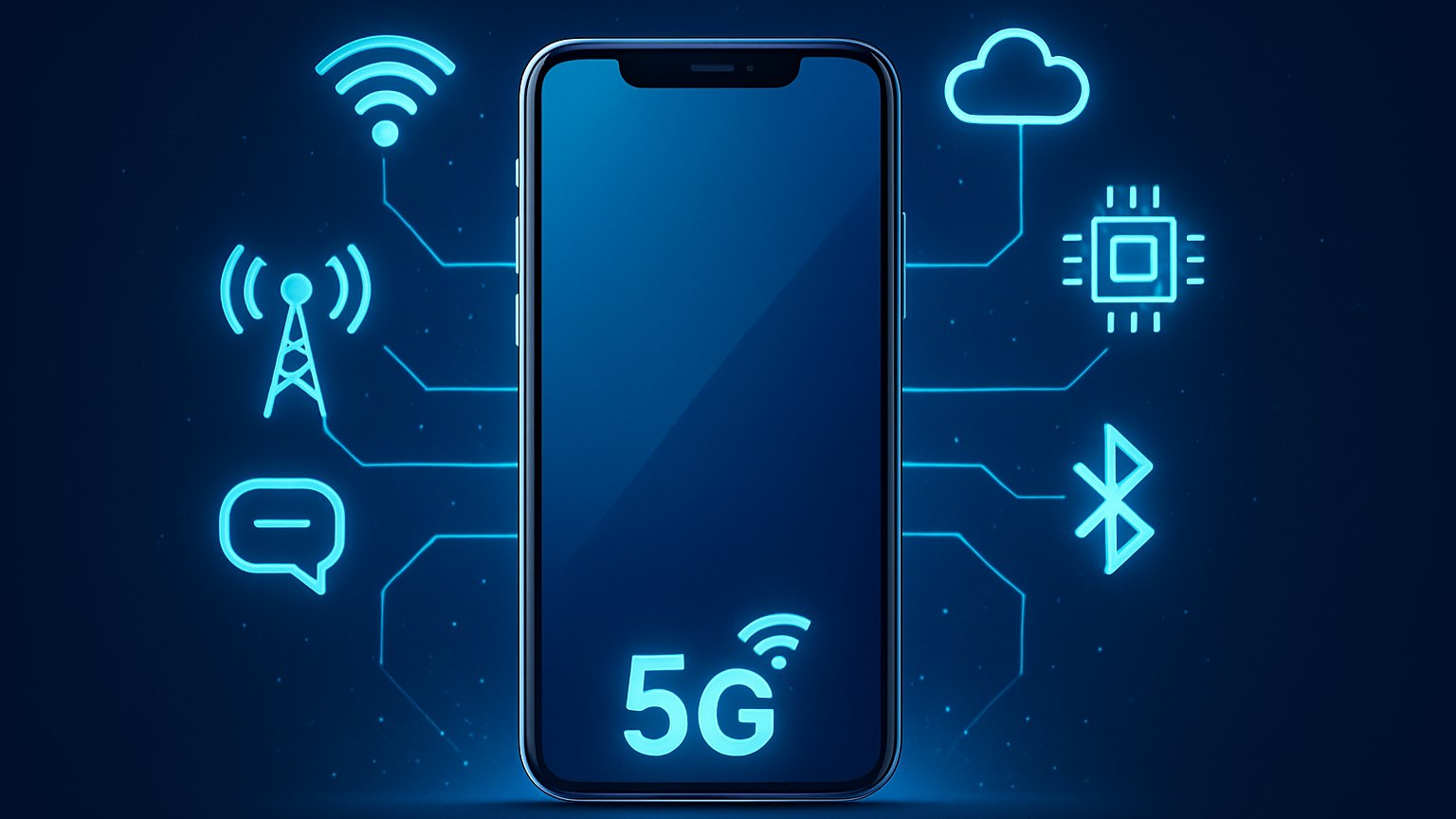
Qualcomm has recently unveiled its FastConnect 7900 Mobile Connectivity System, a groundbreaking solution designed to enhance mobile connectivity through the integration of Wi-Fi 7, Bluetooth, and Ultra Wideband (UWB) technologies in a single chip. This innovation is set to redefine user experiences across various devices, ranging from smartphones to wearables, promising faster speeds, lower latencies, and improved overall performance.
The Significance of Wi-Fi 7
At the heart of the FastConnect 7900 is its support for Wi-Fi 7, which is anticipated to revolutionize how users connect to the internet. Wi-Fi 7 is projected to offer maximum speeds of up to 30 Gbps, a significant upgrade from its predecessor, Wi-Fi 6. This enhancement will be particularly beneficial for applications that demand high bandwidth, such as augmented reality (AR) and virtual reality (VR), as well as high-definition streaming.
Wi-Fi 7 utilizes novel technologies like Multi-Link Operation (MLO), which allows devices to connect on multiple channels simultaneously, thus optimizing throughput and reducing congestion. By lowering latency significantly, activities such as gaming and video conferencing are expected to be markedly improved, which could enhance user satisfaction and engagement.
Bluetooth and Ultra Wideband Integration
Alongside Wi-Fi 7, the FastConnect 7900 incorporates advanced Bluetooth capabilities, optimizing connections for IoT devices, wearables, and smartphones. With features such as faster pairing, improved range, and better audio quality, Bluetooth integration is gaining traction for its potential to streamline everyday connectivity. For instance, devices can seamlessly transition from using Wi-Fi to Bluetooth without interrupting user experiences, creating a fluid network environment.
Ultra Wideband technology further amplifies the FastConnect 7900’s capabilities, providing precise location tracking and device communication. UWB allows for exceptional spatial awareness, making it ideal for applications like device tracking, smart home integration, and proximity-based services. As consumers increasingly turn to smart devices for home automation, UWB will facilitate the reliability and responsiveness necessary for an interconnected living environment.
AI Optimization: A Step Forward
One of the key features of the FastConnect 7900 is its optimization via artificial intelligence (AI). This incorporation positions Qualcomm at the forefront of mobile connectivity innovation. The AI capabilities are designed to enhance network reliability by intelligently managing connections based on usage patterns and environmental factors. For instance, the system could adaptively distribute bandwidth based on current demands, ensuring that critical applications receive the necessary resources while maintaining overall network performance.
This adaptive optimization can create a significant impact on user experience, minimizing interruptions and maintaining high speeds, which is essential in today’s hyper-connected world. However, while the claims surrounding AI optimization are promising, the true extent of its effectiveness will only become evident as manufacturers begin to deploy this technology in real-world applications.
Industry Implications
The introduction of the FastConnect 7900 has wide-ranging implications for the tech industry. Smart device manufacturers could leverage this technology to create more capable and efficient products. The rise of remote work, gaming, and streaming has made efficient connectivity a competitive advantage. Devices powered by this new technology may appeal to consumers looking for high-performance options, thereby influencing purchasing decisions in the smartphone and wearable markets.
Furthermore, the FastConnect 7900 aligns with the broader trend of integrating various network technologies to create seamless user experiences. For businesses, this could mean enhanced productivity and more effective use of connectivity resources. Companies harnessing these benefits would likely see a return on investment as user experience improves, leading to higher satisfaction and potentially increased sales.
Challenges Ahead
Despite the excitement surrounding the FastConnect 7900, challenges remain. Key among these is the infrastructure required to fully realize the benefits of Wi-Fi 7 and UWB. As consumers and businesses transition to newer technologies, the availability and adoption of supporting infrastructure must keep pace. This transition will require investments from both device manufacturers and service providers as they upgrade their systems to support these new standards.
Additionally, as with any new technology, discussions regarding regulatory compliance and security will be front and center. Consumer concerns about privacy and data security must be addressed, particularly with the enhanced tracking capabilities that UWB provides. A balanced approach that ensures user safety while promoting innovation will be essential.
Conclusion
Qualcomm's FastConnect 7900 Mobile Connectivity System stands poised to transform mobile connectivity by integrating the latest advancements in wireless technology. With Wi-Fi 7, Bluetooth, and UWB working in harmony, users can expect a much-improved experience marked by faster speeds, lower latencies, and superior overall performance. While the industry's shift towards this technology may pose some challenges, its potential to innovate and enhance the connectivity landscape cannot be understated. As manufacturers begin to incorporate the FastConnect 7900 into their devices, consumers can look forward to a new era of mobile connectivity that promises to elevate everyday experiences like never before.