
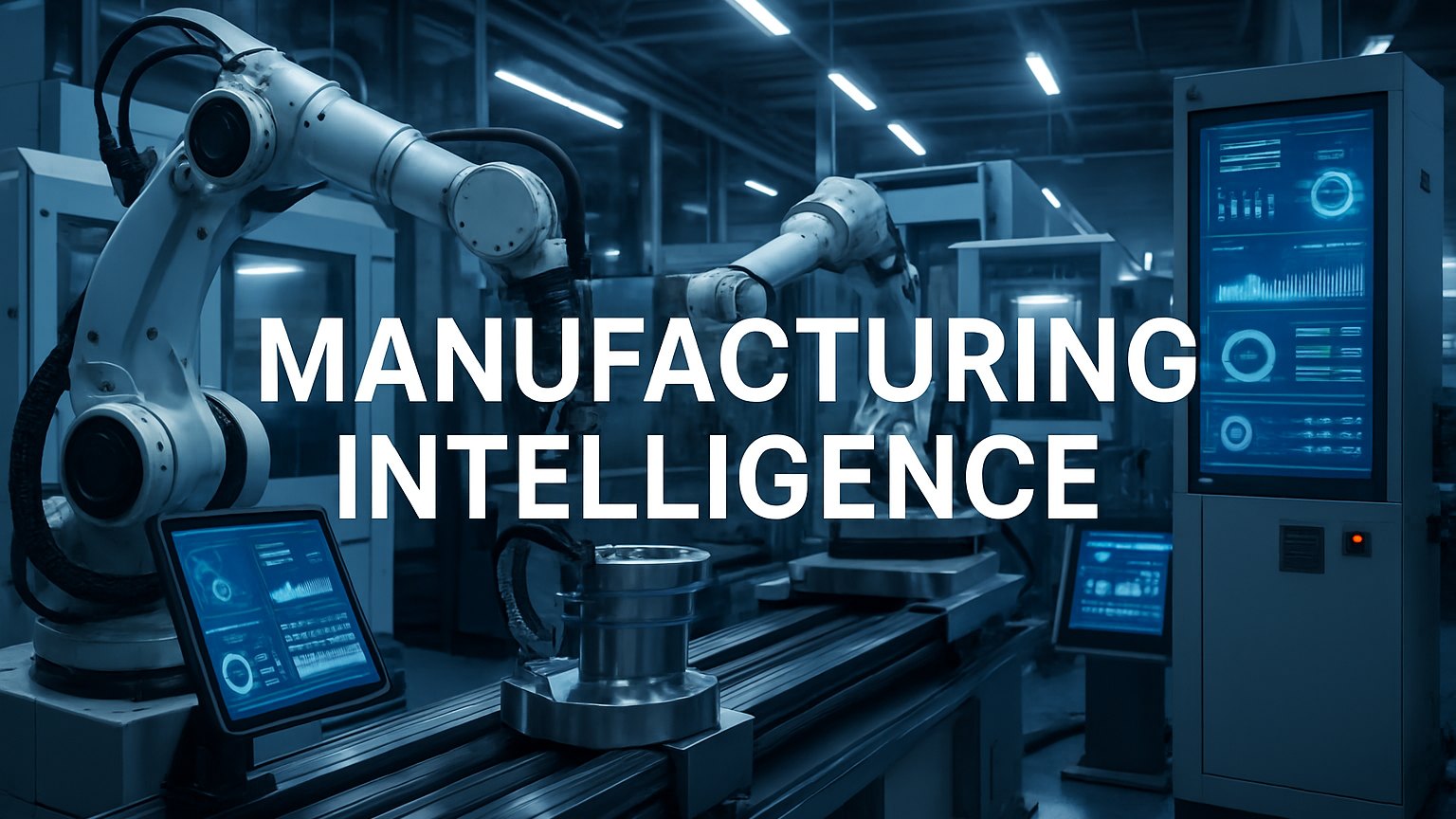
Introduction to QAD's Manufacturing Intelligence
QAD | Redzone recently announced its new vision for Manufacturing Intelligence, introducing a sophisticated intelligence layer aimed at enhancing operational efficiency across the manufacturing sector. This innovation is set to revolutionize how manufacturers interpret data, understand processes, and manage decision-making.
Understanding the Manufacturing Intelligence Layer
The newly unveiled Manufacturing Intelligence acts as a bridge across various manufacturing processes, workflows, and systems. It enables manufacturers to not only monitor events but to interpret their significance and act accordingly.
According to QAD representatives, this process involves a structured flow: monitoring current operations, analyzing the data to understand what it means, making decisions based on informed insights, executing actions, and subsequently validating the outcomes. This cyclical intelligence model aims at moving from a reactive to a proactive operational posture.
The Importance of Contextual Understanding
A notable feature of this innovation is its focus on contextual understanding. Traditional manufacturing data often presents metrics without clarity on their implications. For instance, a spike in downtime might indicate an equipment failure, but without context, it can be challenging to determine the cause or necessary next steps.
Manufacturing Intelligence addresses this gap. By correlating data points with operational contexts—such as machine availability, employee capability, and supply chain disruptions—manufacturers can gain a clearer understanding of issues. This integrated view facilitates faster and more accurate decision-making, supporting continuous improvement initiatives.
According to their press release, QAD's approach essentially aims to reframe how manufacturers look at data. Instead of just asking "What happened?", the objective becomes "What does this mean, and what should we do about it?"
Implications for Operational Efficiency
The implications of this innovation for operational processes are significant. The ability to quickly analyze and act on data can enhance productivity, reduce waste, and improve product quality. By transitioning to a system that not only reports but also predicts outcomes, manufacturers can optimize their operations more effectively.
One potential outcome of adopting this intelligence layer could be a decrease in production bottlenecks. If manufacturers can predict where issues are likely to arise within a workflow, they can allocate resources and adjust schedules proactively, instead of responding after problems occur. This enhancement could lead to substantial cost savings and increased output without the need for immediate capital investment.
Potential Challenges and Considerations
However, the rollout of Manufacturing Intelligence is not without challenges. One major consideration is the integration of existing technologies and systems. Manufacturers often use a patchwork of legacy systems, and integrating these into a cohesive intelligence framework will require considerable resources and strategy.
Additionally, while the promise of predictive analytics is appealing, its success hinges on the quality and completeness of the data available. Inaccurate or incomplete data could lead to misguided decisions, negating the benefits of this advanced analytical capability. QAD must ensure a robust data governance solution to address these concerns effectively.
Market Reception and Industry Outlook
As the manufacturing industry continues to evolve, the broader market reception towards QAD’s initiative remains notable. Analysts recognize the shift toward data-driven decision-making as a pivotal moment in manufacturing.
Reports from Mordor Intelligence indicate that industries adopting predictive analytics and intelligence systems have seen marked improvements in operational metrics. If QAD’s initiative successfully follows suit, it could serve as a benchmark for future developments in manufacturing technology.
Moreover, experts speculate that if QAD's Manufacturing Intelligence sees widespread adoption, it may reshape industry standards, compelling competitors to innovate in similar directions. As operational efficiency becomes increasingly paramount in a fiercely competitive market, adopting such advanced technologies might become essential rather than optional.
Conclusion: A Future-Forward Approach
In conclusion, QAD’s introduction of Manufacturing Intelligence represents a significant advancement in how manufacturers can utilize data to enhance their operations. The move to a more integrated and intelligent system promises not only to streamline processes but also to foster an environment of proactive decision-making. As implementation challenges are addressed, the potential for this innovation to transform manufacturing workflows could redefine industry standards for years to come. Continued observation of the sector will reveal how effectively manufacturers can harness this technology to meet evolving demands.