
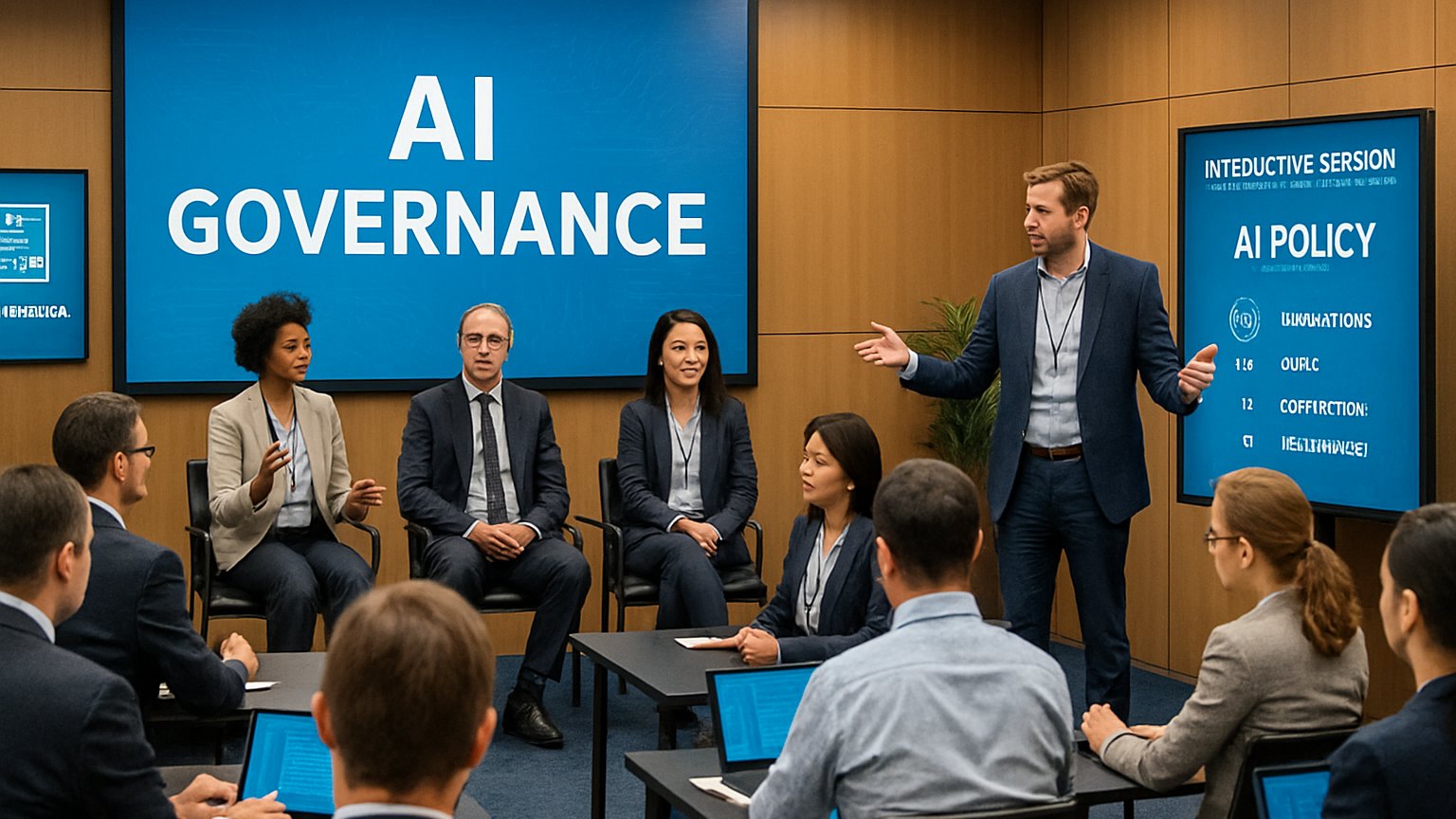
Context of TrustWeek 2026
OneTrust’s annual TrustWeek 2026 is poised to play a pivotal role in shaping the dialogue around AI governance. As industries increasingly adopt artificial intelligence (AI) technologies, the need for comprehensive governance frameworks has never been more critical. TrustWeek underscores OneTrust’s commitment to ensuring that AI systems are developed responsibly and ethically, providing a platform for industry leaders to share insights and best practices.
The Significance of AI Governance
AI governance addresses the ethical implications and operational risks associated with the deployment of AI technologies. This aspect has garnered significant attention as AI systems become more embedded in various sectors, from healthcare to finance. The potential for biases, privacy breaches, and autonomous decision-making presents challenges that require established protocols and frameworks. Governance in AI not only helps mitigate risks but also fosters trust among users and stakeholders.
Key Themes Highlighted at TrustWeek
At TrustWeek 2026, several themes are expected to surface, including:
1. Accountability and Transparency
AI systems operate on complex algorithms that are often seen as black boxes. OneTrust is promoting the notion that accountability in AI requires transparency. Attendees will explore tools that provide clarity on how decisions are made by AI systems, ensuring that organizations can explain their use of AI technologies to consumers and regulators alike.
2. Regulatory Compliance
As governments worldwide draft legislation concerning AI, compliance becomes a top priority for organizations. TrustWeek is set to feature discussions on navigating these regulatory landscapes, equipping attendees with insights into current and anticipated regulations. Ensuring compliance not only protects organizations from potential fines but also positions them as responsible players in the AI space.
3. Data Privacy
The correlation between AI and data privacy cannot be overstated. With increased data usage for AI training, concerns about data consent and ownership rise. OneTrust's focus on privacy strategies during TrustWeek aims to address how organizations can better manage consent frameworks to protect user data while leveraging AI capabilities.
Industry Leaders and Expert Insights
A notable lineup of industry experts and thought leaders will present at this year’s TrustWeek. The presence of prominent figures lends additional credibility to the discussions surrounding AI governance. Discussion panels and workshops will tackle real-world case studies, enabling attendees to learn from others' successes and challenges in navigating AI regulations and governance.
Practical Applications of AI Governance
Conversations at TrustWeek will likely highlight how organizations can implement effective AI governance frameworks. Practical strategies may include establishing internal audit processes for AI, promoting diversity within AI development teams to mitigate biases, and deploying robust monitoring systems to ensure compliance and ethical use.
Case Studies to Inspire Change
Expectations are high for sharing case studies wherein organizations successfully implemented AI governance. These examples serve not only as inspiration but also provide concrete models for others looking to enhance their governance strategies. By looking at successful implementations, attendees can gain actionable insights and tailor them to fit their own organizational contexts.
The Role of OneTrust in AI Governance
OneTrust positions itself as a leader in privacy management and governance solutions. By centering TrustWeek on AI governance, OneTrust reinforces its mission to help businesses navigate the complexities associated with emerging technologies. The company’s tools, especially in managing consent and privacy, are expected to be a focal point in discussions, showcasing their utility in supporting organizations across various industries.
The Broader Impact of AI Governance
The shift toward comprehensive AI governance has far-reaching implications. Beyond individual organizations, effective governance frameworks can lead to greater public trust in AI technologies. As consumers become more aware of data privacy issues and the ethical implications of AI, organizations will be held to higher standards of accountability. AI governance not only affects compliance but can also influence market competitiveness, as organizations that prioritize responsible AI practices may gain an advantage.
Conclusion
OneTrust’s TrustWeek 2026 spotlights AI governance as a critical area of focus for the coming years. With discussions surrounding accountability, regulatory compliance, and data privacy, the conference is set to deliver significant insights into how organizations can navigate the evolving landscape of AI.
By prioritizing governance, organizations can lay the groundwork for ethically sound AI deployment, fostering greater trust and paving the way for sustainable technology development.
As the conversation around AI governance grows increasingly vital, TrustWeek 2026 serves not only as a gathering of industry professionals but also as a catalyst for change in how AI technologies are approached and governed.