
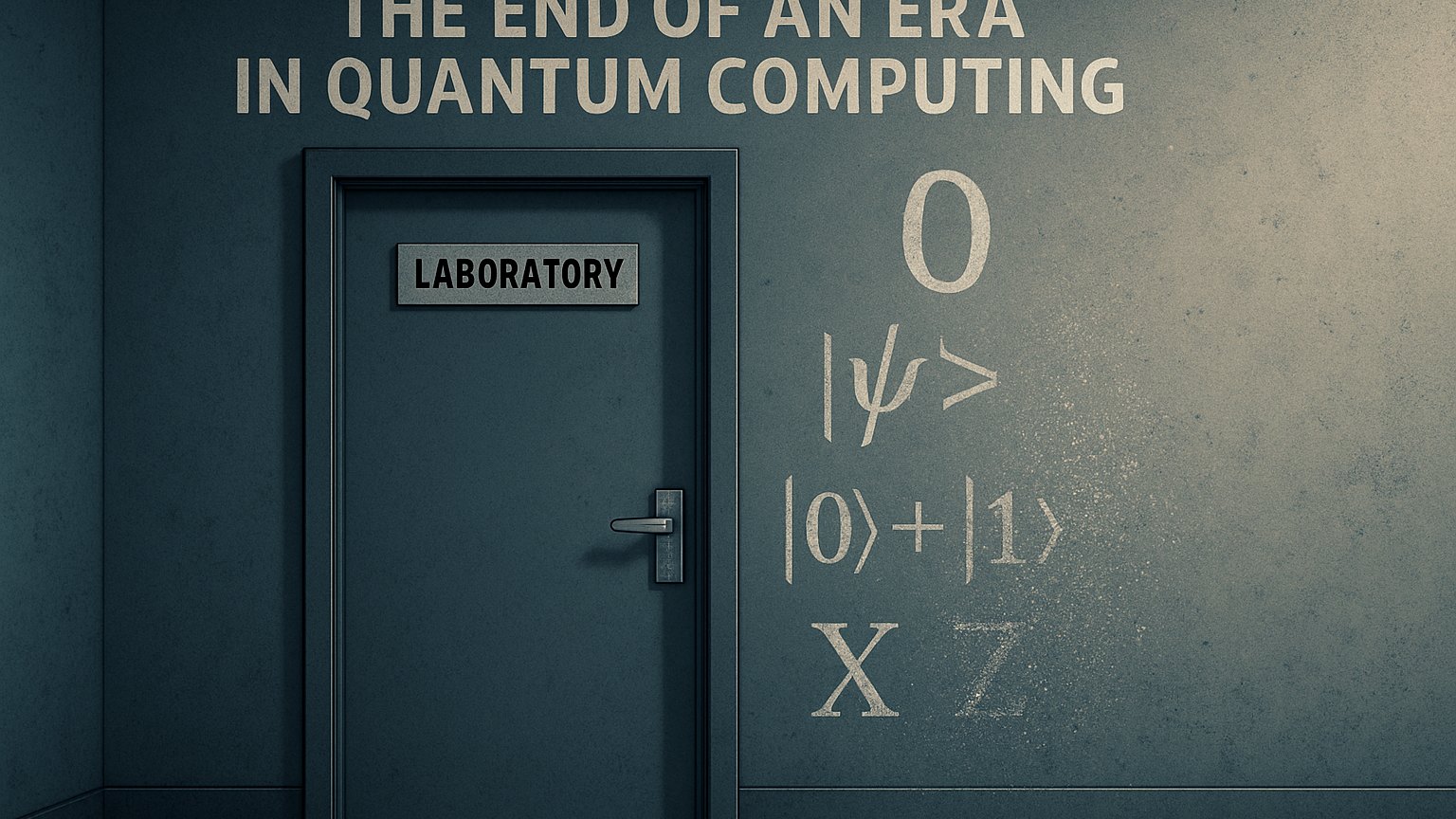
NEC’s Strategic Shift in Focus
NEC Corporation, a significant player in technology and telecommunications, has made a pivotal decision to cease its quantum computing efforts. This surprising move has raised eyebrows in the tech community, prompting questions about the implications of such a withdrawal. The adjustment in focus highlights both the challenges in quantum technology development and a broader industry trend toward practical applications.
An Overview of NEC’s Quantum Ambitions
NEC entered the quantum computing space with ambitions to leverage its expertise in telecommunications and information technology. The company had aimed to harness quantum mechanics for more efficient computing capabilities, potentially transforming industries ranging from finance to pharmaceuticals. However, these ambitions have now come to a halt as NEC focuses its efforts elsewhere, particularly on quantum applications rather than computing.
The Challenges in Quantum Computing
The challenges that led NEC to this decision are multifaceted. Quantum computing is still largely experimental, with many unresolved technical hurdles that companies in the field continue to face:
-
Technological Complexity: Quantum computers require cutting-edge technology and significant advancements in areas like qubit stability and error correction. NEC, like many others, faced obstacles in developing a scalable and reliable system.
-
High Costs: The financial investment needed for research and development in quantum computing can be astronomical. Companies grapple with the uncertainty of achieving marketable products within a reasonable timeframe.
-
Competition: NEC was not alone in its pursuit of quantum supremacy; tech giants like IBM, Google, and startups like Rigetti have attracted significant attention and resources, making it challenging for NEC to carve out a competitive niche.
These factors combined likely contributed to NEC's decision to redirect its strategy.
A Shift to Quantum Applications
Rather than completely abandoning its quantum initiatives, NEC is shifting its focus towards practical quantum applications. This transition acknowledges the potential of quantum technologies while recognizing the immense difficulties in developing full-fledged quantum computers.
Quantum applications, which offer specific solutions leveraging quantum mechanics, may provide more immediate benefits across various sectors. For instance, NEC may explore quantum encryption methods or utilize quantum algorithms to improve data analysis in telecommunications, reflecting a trend where companies aim for achievable breakthroughs rather than full-scale computational power.
Broader Industry Implications
NEC's exit from quantum computing raises questions about the overall health of the industry. A few important implications include:
Consolidation of Efforts
As companies like NEC refocus their energy, we may see further consolidation within the quantum sector. With limited resources and a high barrier to entry, smaller players might struggle to sustain operations, leading to mergers and collaborations as firms aim to pool their expertise and finances.
Shifting Priorities
NEC's withdrawal also illustrates a broader trend where tech companies prioritize practical applications over theoretical advancements. This could influence future funding and research directions, guiding investments toward shorter-term projects that demonstrate value and attract clients.
Opportunities for Innovation
While the exit of established firms like NEC might raise concerns, it can simultaneously foster innovation among startups and niche players. With major competitors stepping back, smaller firms might find increased opportunities to capture market share and drive unique developments in quantum technology.
The Future of Quantum Computing
As NEC transitions from quantum computing to applications, questions linger about the future landscape of this nascent technology. Experts suggest that while full-scale quantum computers may still be years away, the race for quantum advantage will thrive in the application domain.
The industry must continue embracing collaboration across sectors to tackle the substantial challenges presented by quantum technology. This collaborative spirit is essential for fostering innovation and addressing the complex problems that have plagued the sector.
Conclusion
NEC's exit from quantum computing highlights the inherent challenges the industry faces, including technological complexity, funding pressures, and fierce competition. While the company shifts its focus toward more practical applications, the broader implications for the market may lead to significant changes in strategy among other players. As this space evolves, it will be crucial for companies to adapt, innovate, and seek collaborative approaches to unlock the potential of quantum technologies.
The decision serves as a reminder that the journey to unlocking quantum computing's capabilities is long and fraught with challenges, but opportunities still exist for those willing to innovate in practical applications.