
Introduction
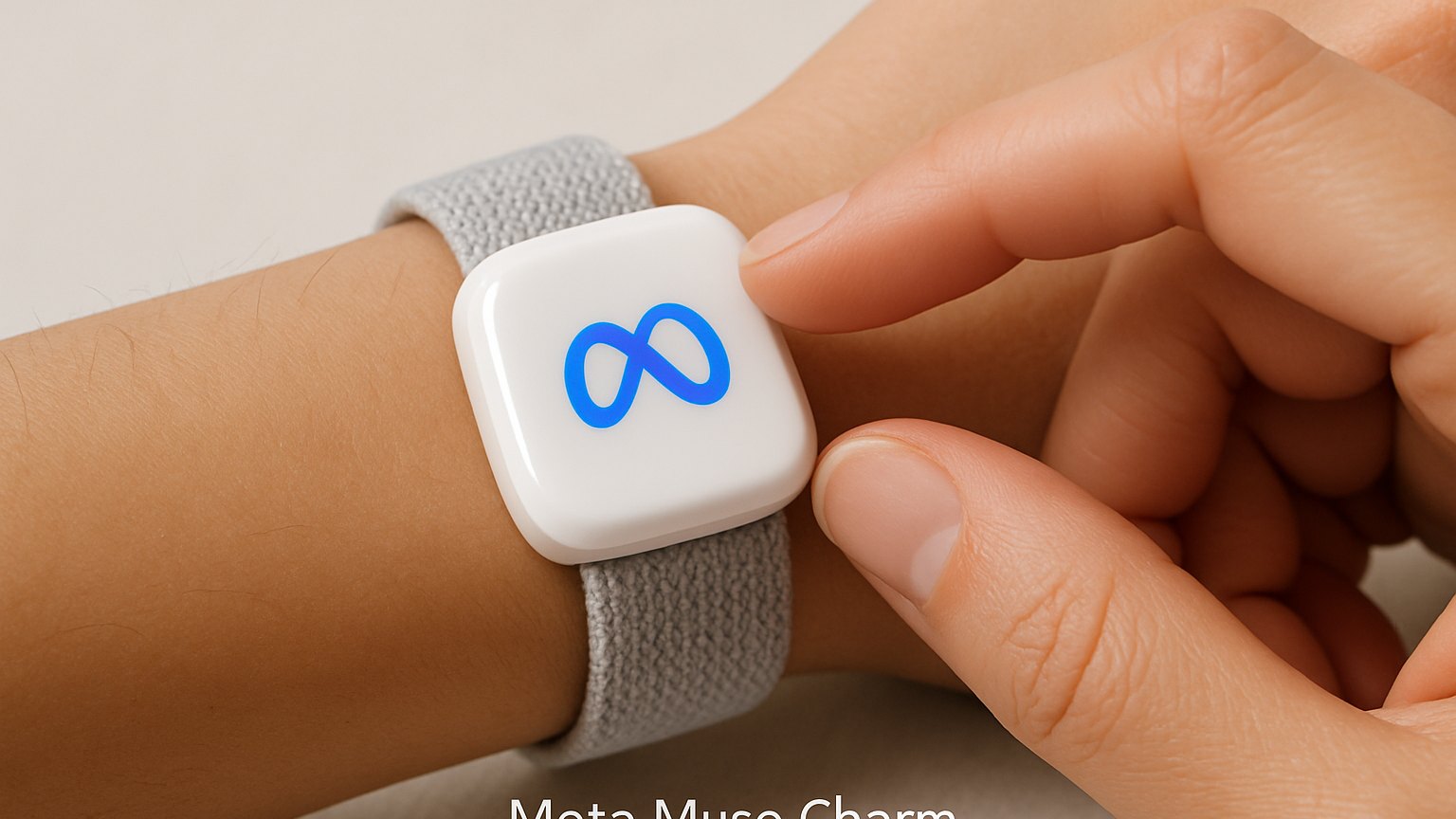
Meta's latest innovation, the Muse Charm, has entered the tech landscape by introducing a new method for users to engage physically with artificial intelligence (AI). This wearable device is designed to function as a tangible companion to Meta's AI agent, Muse. With this move, Meta seeks to redefine the boundary between human interaction and digital companionship.
The Muse Charm: What We Know
Meta's Muse Charm has been described as a wearable that links to the company's AI development, known as Muse. According to Meta’s official announcement, the device provides real-time interaction with the AI, facilitating a closer digital experience that can adapt to user preferences.
Features and Design
- Physical Form: The Muse Charm is designed to be worn like jewelry, promoting a seamless integration into everyday life. Its aesthetic appeal aims to make it a desirable accessory rather than just a gadget.
- Functionality: Users can communicate with Muse through the device, enabling voice commands, notifications, and other functions that the AI can perform, creating a more interactive experience than traditional smart devices.
- Battery Life: Early reports suggest that the Muse Charm offers extensive battery life, although specific durations will depend on usage.
User Reactions: Excitement and Skepticism
Since the unveiling of the Muse Charm, reactions from potential users and analysts have been mixed. Some enthusiastically welcome it as a pioneering innovation in personal AI interaction.
Conversely, many have expressed skepticism regarding the actual utility of such a device. Critics question how valuable a physical presence of an AI agent can be when voice-assisted software and applications on smartphones already serve similar functions.
Privacy Concerns
The launch of the Muse Charm has reignited discussions on privacy. Given that the device maintains a constant connection to the user’s personal AI, concerns have arisen about data security and the extent to which user interactions with Muse could be monitored. Reports from The Verge highlight that potential vulnerabilities could enable unauthorized access to personal information, raising alarms about the readiness of such technology for mainstream adoption. Indeed, this skepticism mirrors sentiments expressed in the past during the introduction of other wearable tech.
Comparing Muse Charm to Existing Wearables
While there are countless wearable devices on the market, including smartwatches and fitness trackers, the Muse Charm tries to carve out a niche by focusing on AI interaction rather than health tracking or notifications alone. Notable differences include:
- Interactivity: Traditional wearables offer limited interactivity compared to the Muse Charm’s AI-driven engagement.
- Focus on AI: The Muse Charm’s design specifically focuses on enhancing user interaction with AI, a feature not prominent in many current wearable technologies.
Market Implications and Future Prospects
The potential implications of the Muse Charm on the wearable tech market are significant. If successful, it could set a precedent for how AI agents are integrated into consumer technology. However, it will need to navigate skepticism regarding its necessity and functionality.
Market Penetration Challenges
Despite the excitement around AI, the wearable market is known for rapid changes and short-lived trends. As stated in recent industry analyses, products that do not meet consumer expectations often fade quickly. Meta will need to ensure that the Muse Charm delivers tangible benefits that resonate with users to remain competitive in such a volatile market.
Conclusion
Meta's introduction of the Muse Charm represents an innovative leap toward more integrated and interactive personal AI experiences. However, the device will have to overcome significant skepticism and address privacy concerns to succeed. As wearables evolve, only time will tell if Muse can truly redefine the relationship between humans and AI through tangible interactions.