
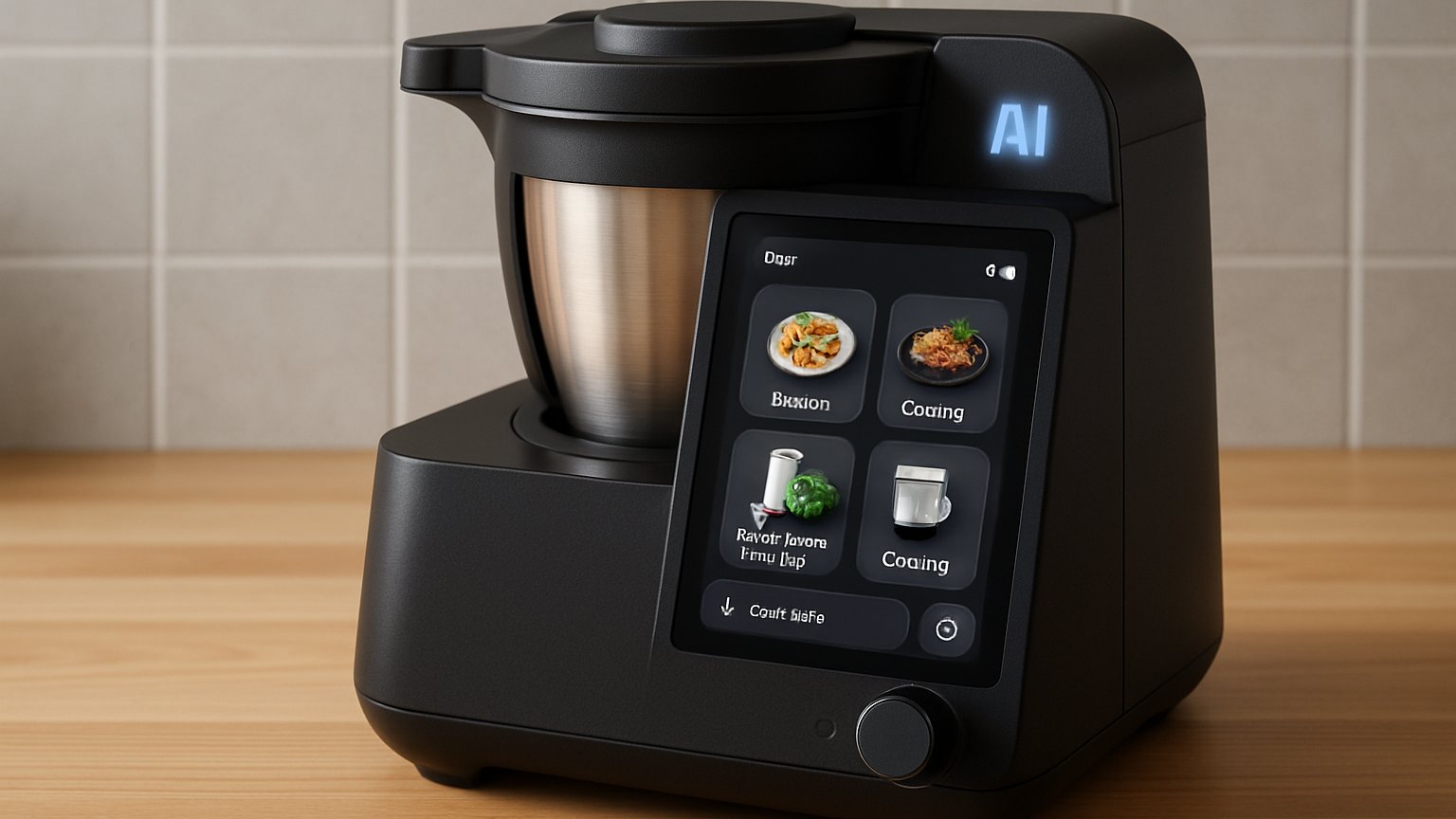
Introduction to LG's AI Integration
LG has been at the forefront of technological advancements in the home appliance sector, and their recent push into artificial intelligence (AI) is no exception. The company has actively embraced the concept of "AI in Action," aiming to integrate AI capabilities across various home appliances. This development not only enhances functionality but also redefines user experience and interconnectivity within the smart home ecosystem.
The Significance of AI in Home Appliances
The integration of AI into home appliances transforms how users interact with everyday equipment. AI can make these appliances more intuitive, learning from user preferences to optimize performance and energy efficiency. For instance, smart refrigerators equipped with AI can monitor food inventory, suggest recipes based on available ingredients, and even communicate expiration dates. Such capabilities not only streamline household tasks but also promote sustainability by minimizing food waste.
User Experience Enhancement
One of the most notable advantages of AI in home appliances is the improvement in user experience. LG’s AI technology employs machine learning algorithms to adapt to user habits. For example, the LG ThinQ app lets users control their appliances remotely and receive tailored recommendations based on their usage patterns. This level of personalization makes day-to-day life significantly easier, as appliances can communicate requirements directly with their owners, optimizing for convenience and efficiency.
Case Studies: LG's AI-Equipped Appliances
Smart Refrigerators
LG's smart refrigerators serve as a prime example of AI integration. Beyond traditional cooling functions, these fridges employ AI to analyze food contents and provide dietary suggestions. The ability to generate shopping lists or reminders for expiration dates helps users take proactive steps in meal planning, thereby reducing waste.
Autonomous Washers and Dryers
LG has also introduced AI capabilities in its washers and dryers. Utilizing sensors and data analysis, these appliances can detect fabric types and load sizes, automatically selecting the optimal wash cycle. This not only preserves clothing quality but also enhances energy efficiency by adjusting water and energy use according to the specific load.
AI-Powered Air Conditioners
LG’s air conditioning units have embraced AI as well, featuring the ability to learn a household's cooling patterns. By understanding when rooms are occupied or empty, these units can adjust temperature settings accordingly, ensuring comfort while also reducing energy consumption. This proactive approach reduces costs and contributes to a greener home environment.
The Broader Impact on the Smart Home Ecosystem
Integrating AI into home appliances is not merely about improving existing technology; it represents a paradigm shift in the smart home ecosystem. AI enables appliances from different manufacturers to communicate with one another, potentially leading to interconnectivity that enhances their functionality.
Seamless Integration with Smart Home Interfaces
LG's focus on AI directly aligns with the growing trend of smart home integration. As devices become increasingly interconnected, users can automate many household tasks. For example, through voice-activated technologies like Google Assistant or Amazon Alexa, users can control their AI-integrated appliances hands-free. This exemplifies how seamless connectivity between devices can offer a more holistically smart home experience.
Challenges and Considerations
While the advancements in AI-integrated home appliances are promising, there are several challenges and considerations that warrant attention.
Data Privacy and Security
As appliances become smarter and more interconnected, concerns about data privacy and security arise. Users may be apprehensive about how their data is collected, stored, and utilized. LG has made strides in addressing these issues by implementing robust security measures and transparent data policies. Nevertheless, as AI continues to evolve, the onus is on manufacturers to prioritize user privacy.
Integration Standards
Furthermore, the lack of standardization across smart home technologies can hinder seamless integrations. As various brands develop their ecosystems, ensuring compatibility will be crucial. LG is actively working to create partnerships and adopt widely-accepted standards to promote interoperability in the smart home landscape.
Summary: LG's Vision for the Future
Integrating AI into home appliances is not merely a trend for LG; it reflects the company's vision for a more intelligent, efficient, and user-friendly home environment. By enhancing functionality and improving user experiences, LG’s "AI in Action" initiative is positioning the company as a leader in the smart home industry. While there are challenges that need to be addressed, the potential benefits of smart, AI-integrated appliances are undeniable. As LG continues to innovate, we may see a future where our homes operate more efficiently, sustainably, and harmoniously than ever before.
Looking Ahead
The advancements by LG serve not only as an inspiration for other appliance manufacturers but also raise user expectations in the smart home market. As technology evolves, LG is well-poised to lead the way in transforming our living spaces into truly intelligent environments, offering insights into the future of home automation.
Tags
- AI Integration
- Smart Home
- LG Appliances
- Home Automation
- Sustainable Living
Meta Description
Explore how LG's "AI in Action" transforms home appliances, enhancing efficiency and user experience while shaping the future of smart homes.