
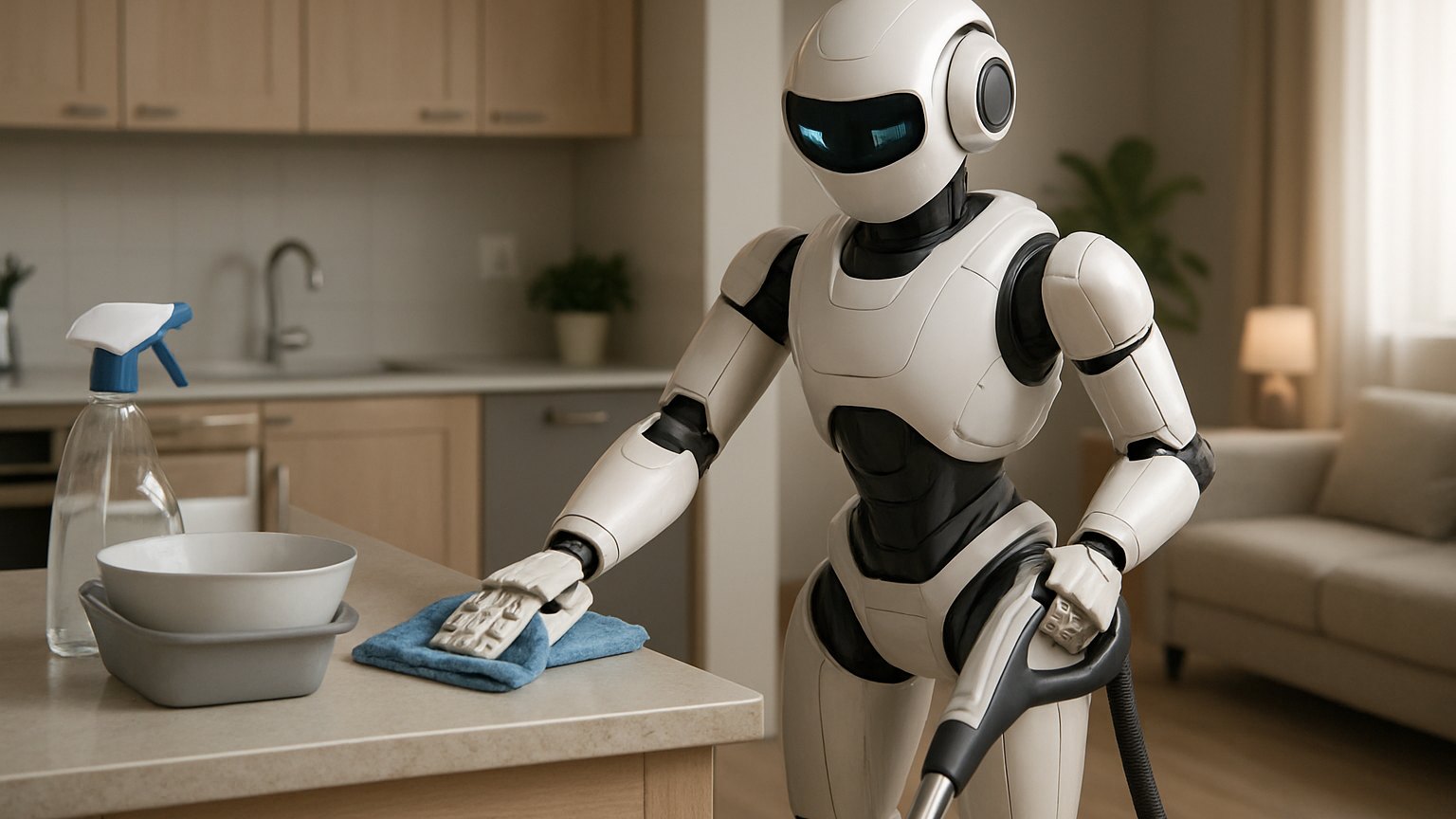
Introduction to CLOiD
LG has recently debuted its new AI-powered home robot, CLOiD, which aims to redefine how we manage our domestic environments. Positioned as an ambient care agent, CLOiD is designed to assist in reducing the physical and mental burdens that often accompany household chores. As we delve deeper into its features and potential impact, we can better understand why CLOiD may not just be another gadget, but rather a transformative tool for modern households.
Understanding CLOiD's Features
CLOiD integrates an array of advanced technologies intended to enhance domestic efficiency. Here are some key features that stand out:
Intelligent Interaction
One of the most compelling aspects of CLOiD is its ability to interact intelligently with users. This robot utilizes natural language processing, enabling it to understand spoken commands and engage in basic conversations. Such functionality allows users to provide instructions without needing to physically interact with the device, thereby making household tasks more manageable.
Home Monitoring and Safety
CLOiD is equipped with sensors and cameras that actively monitor the home environment. This not only provides real-time security updates to users but also tracks various household conditions, such as air quality or temperature. The proactive approach to home safety can give users peace of mind, especially when they are away from home or busy with other tasks.
Task Automation
The robot is designed to automate routine household chores. From reminders for daily tasks like grocery shopping to organizing cleaning schedules, CLOiD can efficiently manage these responsibilities. Users can expect CLOiD to act more like a personal assistant, freeing up time for more leisure or productive activities.
Health and Wellbeing Support
Notably, CLOiD aims to assist users beyond mere household tasks. It is built to support wellness by providing health tips, reminders for medication, and even monitoring vital health stats. This feature can be especially beneficial for elderly individuals or those seeking to maintain healthier lifestyles without the added burden of management.
The Role of AI in CLOiD
Artificial intelligence is the backbone of CLOiD's capabilities, enabling it to perform complex tasks in an intuitive manner. Here’s how AI enhances CLOiD's effectiveness:
Learning User Preferences
CLOiD employs machine learning algorithms to learn individual user preferences over time. This means that the more a user interacts with the robot, the better it becomes at tailoring its services to meet specific needs and habits. For example, if a user consistently requests reminders for watering plants, CLOiD will adapt to take on the responsibility, improving its utility over time.
Predictive Task Management
Using AI, CLOiD can also anticipate users' needs. By analyzing patterns in behavior, it can proactively suggest when to undertake specific household chores, effectively serving as a reminder system and delegation tool. This predictive capability enhances efficiency and can significantly reduce mental strain.
The Importance of Ambient Care
The concept of ambient care is particularly relevant in today’s fast-paced world. As lives become increasingly busy and complex, the support offered by devices like CLOiD can relieve stress on individuals and families.
Reducing Physical and Mental Labor
By assisting with household tasks, CLOiD helps mitigate the physical demands of domestic life alongside the mental load of managing various responsibilities. Families juggling work, childcare, and social obligations can find themselves overwhelmed, and CLOiD's automations serve as a buffer, fostering a more productive and relaxed home environment.
Supporting Independent Living
CLOiD could also play a pivotal role in promoting independence in seniors and those with disabilities. The ability to have a responsive assistant reduces the risk of isolation and supports those who may struggle with daily tasks, thus improving quality of life.
Potential Limitations
While CLOiD presents a compelling vision for the future of domestic assistance, it is essential to differentiate confirmed capabilities from aspirational claims.
Privacy Concerns
As with any device that monitors user behavior in a personal space, privacy concerns are valid and should be addressed transparently. Users may be hesitant to welcome a robot equipped with cameras and microphones into their homes. LG will need to provide clarity on data security and user control to build trust.
Integration with Existing Smart Devices
Another potential limitation is how well CLOiD will integrate with existing smart-home ecosystems. Achieving seamless communication with other devices will be crucial for maximizing its utility, and any hiccups in this integration could detract from the overall user experience.
Conclusion
As households evolve alongside technology, LG's CLOiD emerges as a promising solution for addressing the complexities of domestic life. Its blend of AI, task automation, and ambient care capabilities signals a significant step forward in home management. While challenges remain in terms of privacy and integration, the potential of CLOiD to enhance the daily lives of its users is undeniable. With its arrival, LG is not just offering another household gadget, but rather a glimpse into a future where technology partners with humanity in the everyday tasks that shape our lives.