
The Evolution of Personal AI
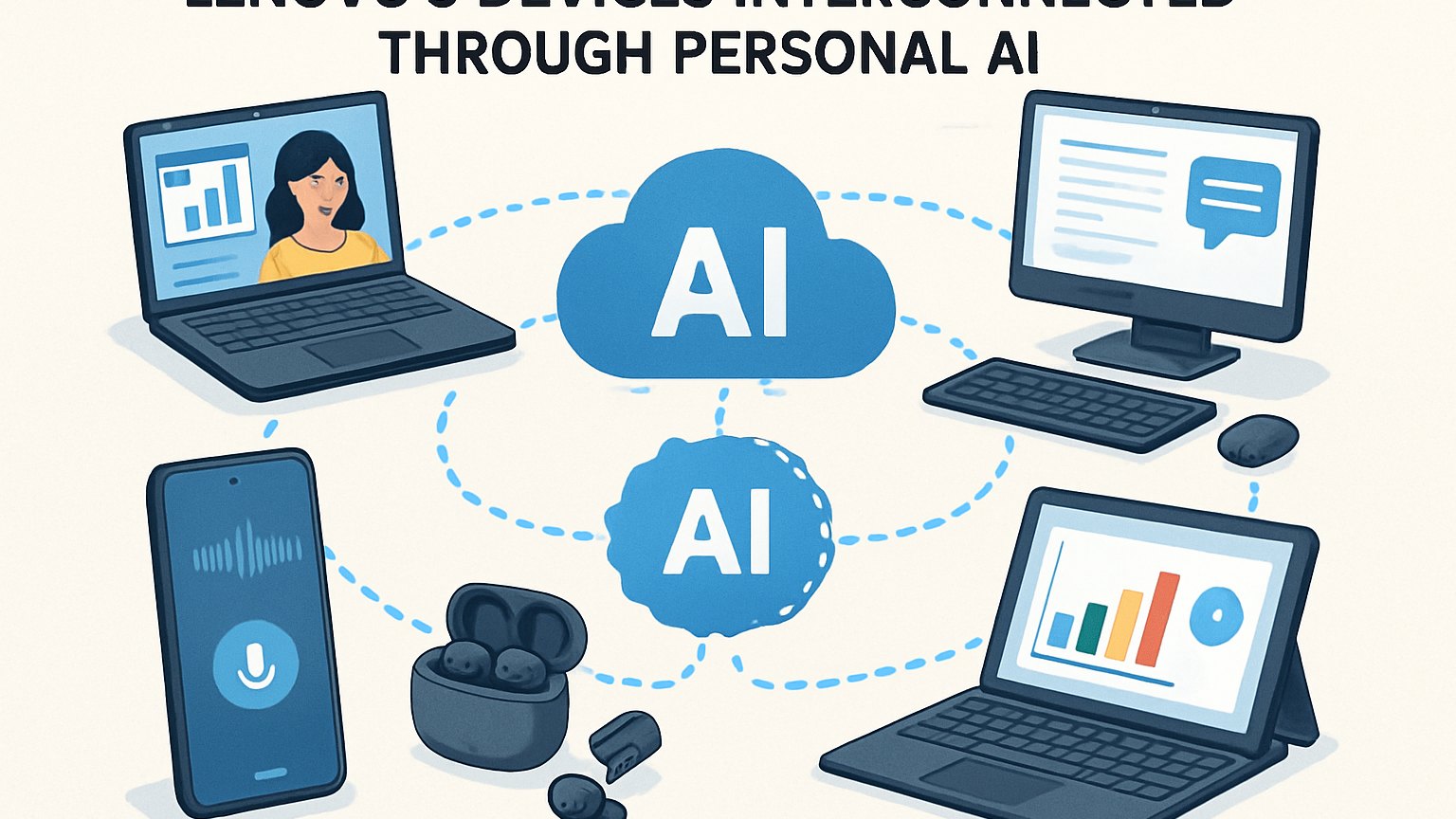
In the rapidly advancing tech landscape, personal artificial intelligence (AI) is becoming a cornerstone of user experience across various devices. Lenovo, a leading manufacturer of consumer electronics, is making significant strides in this area with its innovative approach to integrating AI into its products. The company’s strategy, characterized as "one personal AI, multiple devices," aims to create a cohesive ecosystem that enhances user interactions across PCs, smartphones, tablets, and wearables.
Why This Development Matters
As consumer reliance on technology continues to grow, the integration of personal AI into devices is no longer just a novelty but a necessity. Consumers seek a more seamless experience, and an integrated personal AI can help streamline tasks, customize settings, and enhance productivity. Lenovo's approach is set to redefine how users interact with their devices, offering a unified experience that can learn and adapt to individual preferences.
Understanding Lenovo's Approach
Lenovo's AI integration is built on an ecosystem model where various devices communicate effectively. This interconnectedness allows users to perform tasks such as transitioning from a phone call on a smartphone to a video conference on a laptop without significant interruptions. The underlying technology relies on machine learning, which enables the AI to adapt to individual user behaviors and preferences over time.
Cross-Device Synchronization
A key feature of Lenovo's personal AI integration is cross-device synchronization. For example, if a user sets a reminder on their smartphone, that reminder can be accessed and displayed on their tablet or PC. This synchronization ensures that users have all the necessary information at their fingertips, regardless of the device they are using. Such functionality not only boosts efficiency but also enhances overall user experience.
Voice and Gesture Recognition
Lenovo's personal AI also incorporates advanced voice and gesture recognition. This feature allows users to interact with their devices in a more natural and intuitive way. For instance, users can issue voice commands to their laptops while cooking or use hand gestures to control their smart display while in a meeting. These capabilities aim to make technology more accessible and user-friendly, ultimately reducing the learning curve often associated with new devices.
Effectiveness of Lenovo’s Personal AI
Lenovo’s integration of personal AI offers several potential benefits, although user feedback and real-world application will ultimately determine its effectiveness. The primary advantages include improved personalization, efficiency in task execution, and enhanced user satisfaction.
Personalization Through Machine Learning
By leveraging machine learning, Lenovo’s AI can analyze user habits and make recommendations based on past behaviors. For example, if a user frequently sends emails around 9 AM, the AI can suggest composing emails or setting reminders during that time. Personalized recommendations could offer substantial time-saving benefits, transforming how users plan and manage their daily tasks.
Enhancing Productivity
The seamless experience promised by Lenovo's personal AI can significantly boost productivity. With tasks synchronized across devices and personalized suggestions on hand, users can focus more on their work rather than managing multiple devices. This efficiency is particularly appealing to professionals and students who juggle numerous responsibilities throughout the day.
Challenges and Considerations
Despite these promising aspects, there are challenges that Lenovo may encounter. Data privacy and security remain primary concerns for consumers, particularly as personal AI systems rely heavily on user data to function optimally. Lenovo must ensure that its AI solutions are transparent about data usage and maintain high security standards.
Moreover, the integration of AI into consumer products is not merely a technical challenge but also a societal one. Users need time to adapt to new technologies, and as such, effective user education is vital to the successful rollout of personalized AI features.
Competitive Landscape
Lenovo is not the only player venturing into AI integration. Companies like Apple and Microsoft have already introduced personal AI capabilities in their devices. However, Lenovo’s distinctive approach emphasizes a fully integrated ecosystem that aims to work seamlessly across all types of devices, giving it a competitive edge.
By focusing on creating a personalized user experience that bridges multiple platforms, Lenovo positions itself as a forward-thinking leader in the personal AI space.
Conclusion: A Future with Integrated AI
Lenovo’s personal AI integration represents a significant step toward a more connected and intelligent future in consumer technology. By adopting a comprehensive approach to AI that encompasses various devices, Lenovo is working towards offering a personalized and efficient experience for users.
However, as they roll out these features, balancing user privacy concerns with technological advancement will be crucial. If successful, this initiative could set a benchmark in the industry, prompting competitors to elevate their own AI integrations to meet consumer expectations.
Ultimately, Lenovo’s personal AI strategy could redefine how we interact with technology in our daily lives, making it more intuitive, responsive, and tailored to individual needs.