
Introduction
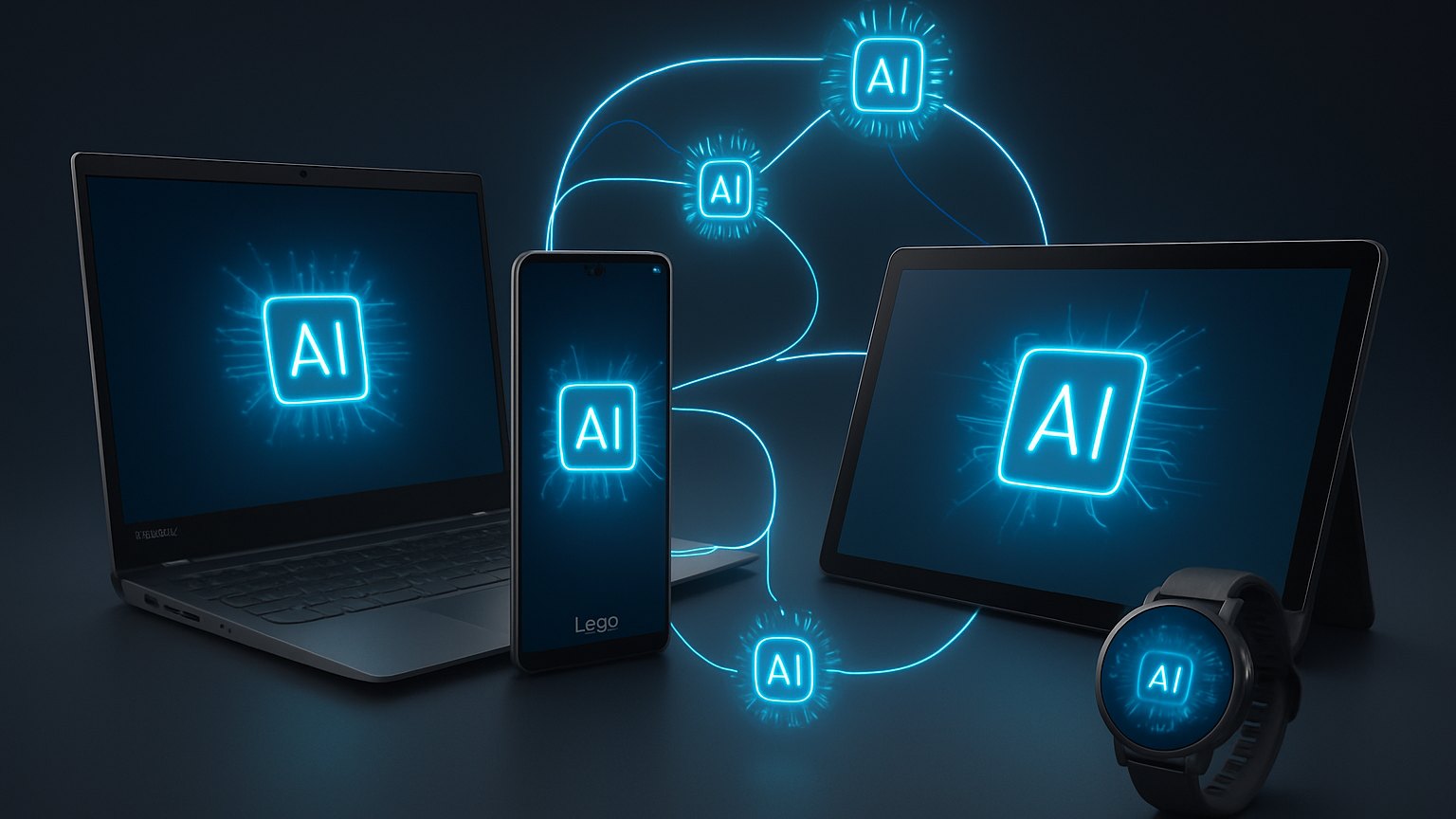
Lenovo has recently unveiled its ambitious plan to integrate personal AI across its range of devices, aiming to create a seamless user experience. This initiative seeks to unify performance across PCs, smartphones, tablets, and wearables, allowing users to interact with AI in an intuitive and efficient manner. In a world where digital connectivity is paramount, such a development could significantly enhance user productivity and redefine how we use technology in our daily lives.
The Concept of a Unified Personal AI
Lenovo’s vision centers on the concept of a single personal AI that operates across multiple devices. This personal AI will not only recognize individual user preferences but will also adapt to each device to improve functionality. For instance, an AI assistant could understand a user's working patterns on a laptop and adjust its suggestions accordingly when they switch to a smartphone or tablet. This adaptability is crucial as users often multitask, jumping between devices throughout the day.
Enhancing User Experience
The integration of personal AI aims to enhance the user experience significantly. By implementing AI features that learn from user behavior, Lenovo intends to make technology more predictive and responsive. Functions such as voice commands, personalized notifications, and smart recommendations will become more relevant, improving overall efficiency. This move also means that as users interact with one device, their preferences and habits can shape the functioning of another device, forming a cohesive ecosystem that understands them better.
Confirmed Facts vs. Claims
While Lenovo's intentions are clear, it's essential to distinguish between confirmed facts and claims. Official announcements reveal plans for personal AI integration and potential improvements in user interaction. Features like voice recognition, context-aware notifications, and adaptive learning have been confirmed in demonstration models. However, specifics on how these systems will work in real-world scenarios remain somewhat vague. Lenovo has yet to provide detailed timelines or exact software capabilities, which leaves some room for speculation regarding the launch and the practical application of these features in daily tasks.
Collaboration Across Devices
The strength of Lenovo's personal AI will rest on its ability to work across all its devices. Lenovo's strategy is to ensure that AI features developed for laptops are beneficial and applicable on smartphones and tablets. This cross-device collaboration represents a forward-thinking approach to technology, where users can rely on a consistent AI experience regardless of their device.
For instance, if a user receives an important email on their PC, the personal AI might recognize its significance and remind them to respond on their smartphone when they’re away from their desk. This not only boosts efficiency but also enhances the fluidity of digital tasks.
Implications for Productivity
The potential benefits of Lenovo's personal AI integration extend beyond just convenience; they aim to boost productivity significantly. In workplaces increasingly reliant on multitasking, having an AI that understands individual workflows can be a game-changer. By streamlining tasks and reducing the need for manual inputs, users may find themselves with more time to focus on strategic activities rather than operational ones.
Furthermore, AI-driven insights can facilitate smarter decision-making, with the system suggesting actions based on past behavior and predictive analytics.
Challenges Ahead
Despite the promise of Lenovo's integration of personal AI, challenges remain. Privacy concerns are an overarching issue, as extensive data collection may make users wary. Lenovo must ensure that data is not only collected securely but also handled transparently. Additionally, technical hurdles, such as ensuring compatibility among numerous devices and operating systems, may complicate this integration.
The Future of Personal AI at Lenovo
Looking ahead, the prospect of Lenovo's personal AI features opens up exciting possibilities for the tech landscape. As the company continues to refine its offering, users will likely witness innovative applications of AI that extend the functionality of their devices. The focus on a holistic AI experience reflects broader trends in the technology industry, suggesting that Lenovo is positioning itself not just as a manufacturer but as a facilitator of a more interconnected digital lifestyle.
Conclusion
Lenovo's foray into personal AI integration signifies a bold step toward a seamlessly interconnected future. By aiming for a singular AI experience across various devices, Lenovo plans to redefine user interaction and productivity in the tech space. While many details remain to be ironed out, the ambition behind this initiative highlights the company's commitment to advancing how users engage with technology and, ultimately, with each other.
As technological boundaries continue to blur, Lenovo's approach could set a new standard for how we view and interact with personal devices in our everyday lives.