
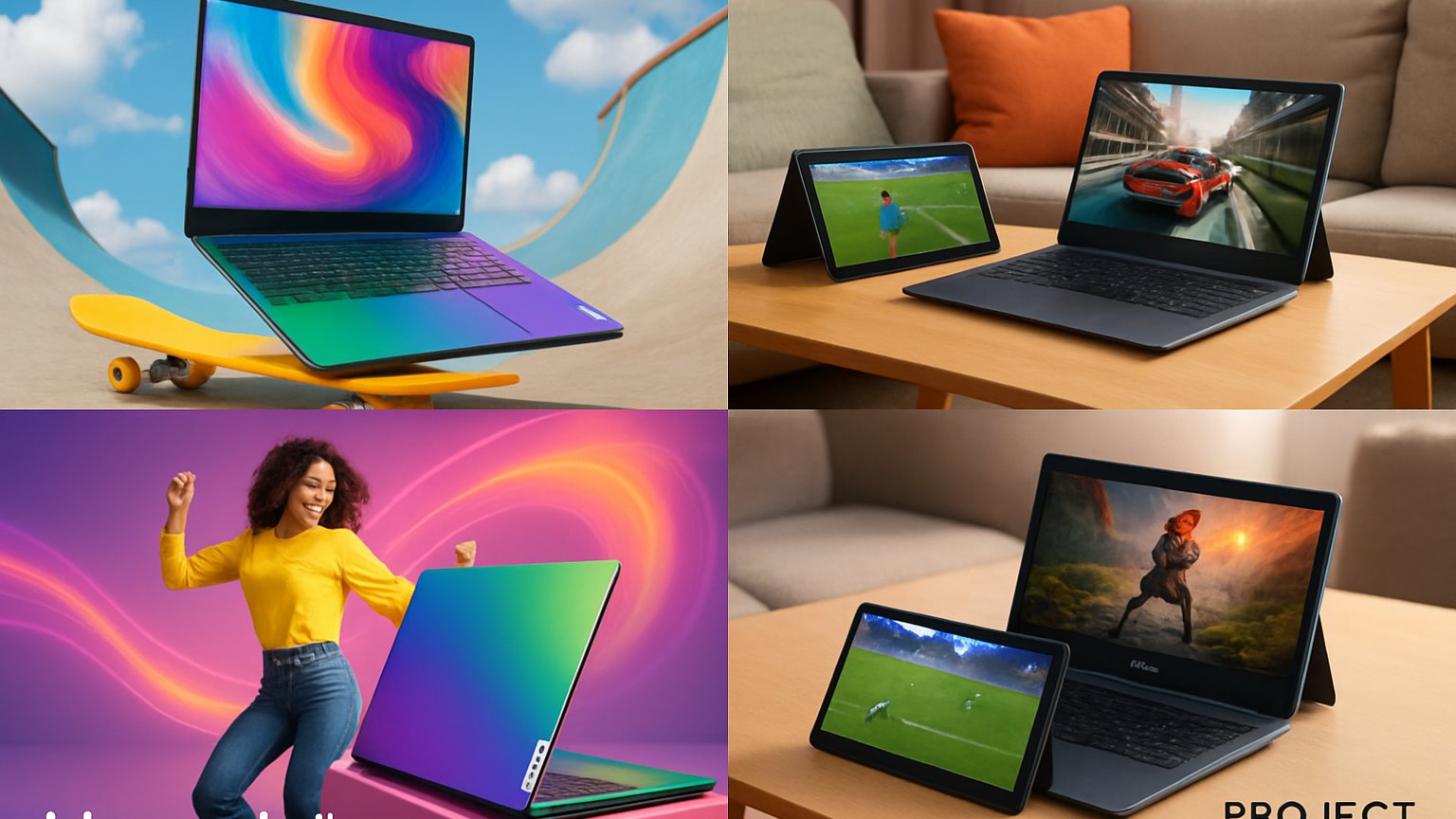
Lenovo's IdeaPad Vibe: A Customizable Experience for Students
At IFA 2026, Lenovo has made a significant stride into the affordable laptop market with the introduction of the IdeaPad Vibe. This device is tailored specifically for students, featuring a customizable design that allows users to express their personalities and preferences.
Design Philosophy
The IdeaPad Vibe stands out with interchangeable shells, vibrant color options, and a sleek profile. Lenovo's approach revolves around providing a versatile aesthetic that caters to the diverse tastes of young users. With a focus on personalization, the laptop endeavors to engage a generation that values individuality and style.
Target Demographic
Designed primarily for students, the IdeaPad Vibe aims to serve high school and college attendees who seek an affordable yet reliable device for academic purposes. With the growing trend of digital learning, Lenovo aligns its offering with the needs of tech-savvy learners, ensuring the device supports essential applications and productivity tools.
Market Reception and Potential
Given the recent emphasis on remote learning and budget constraints faced by many students, the IdeaPad Vibe appears well-positioned to capture interest in its segment. The combination of affordability and customization may give Lenovo a competitive edge, potentially attracting a loyal customer base that values both form and function.
Acer's Project DualPlay Mini: A Hybrid Gaming Solution
Acer has also made headlines with its innovative Project DualPlay Mini. This device exemplifies a fresh take on gaming and productivity by combining the characteristics of a handheld console and a netbook, creating a versatile hybrid experience.
Design Ideology
The Project DualPlay Mini features a unique foldable design, enabling seamless transitions between gaming and productivity modes. The device boasts a powerful processor, dedicated gaming controls, and a touchscreen interface, reflecting Acer’s commitment to enhancing user experience in both realms.
Target Audience
Aimed at gamers and multitaskers, the Project DualPlay Mini targets a diverse group that includes young adults and casual users seeking a balance between entertainment and productivity. By promoting an adaptable gaming experience, Acer is tapping into the rapidly growing market for hybrid devices that cater to varied user needs.
Expected Market Impact
As gaming becomes an integral part of daily entertainment, the Project DualPlay Mini has the potential to resonate with a vast audience. Its dual functionality can attract both dedicated gamers and casual users, setting Acer apart in a landscape dominated by specialized devices. This innovative approach could carve a significant niche for Acer in an increasingly crowded market.
Comparing the Devices: Customization vs. Versatility
While both Lenovo's IdeaPad Vibe and Acer's Project DualPlay Mini cater to emerging demographics, they approach the market from distinct angles. Lenovo focuses on customization and personalization, appealing to students who desire expression through technology. Conversely, Acer emphasizes versatility, targeting users looking for a multi-functional device that adapts to their changing needs.
Strengths and Weaknesses
Lenovo's IdeaPad Vibe may face competition from other student-friendly laptops that also offer affordability and essential features. However, its customizable nature could provide a unique selling point that differentiates it from competitors. On the other hand, Acer’s Project DualPlay Mini might appeal to gamers, yet could struggle against dedicated gaming platforms with robust ecosystems. The challenge will be in delivering enough processing power and graphics performance to meet the demands of gamers.
Conclusion: A Promising Outlook for Both Devices
The introduction of Lenovo's IdeaPad Vibe and Acer's Project DualPlay Mini at IFA 2026 serves as a testament to evolving consumer needs in the tech landscape. While customization and versatility emerge as key focal points for each device, their potential market reception will hinge on effective marketing and the ability to meet user expectations in an ever-changing environment.
In summary, both companies are carving out innovative paths as they strive to meet the demands of their target audiences. As the industry watches how these devices perform in real-world scenarios, their developments could redefine expectations and standards in the educational and gaming sectors.