
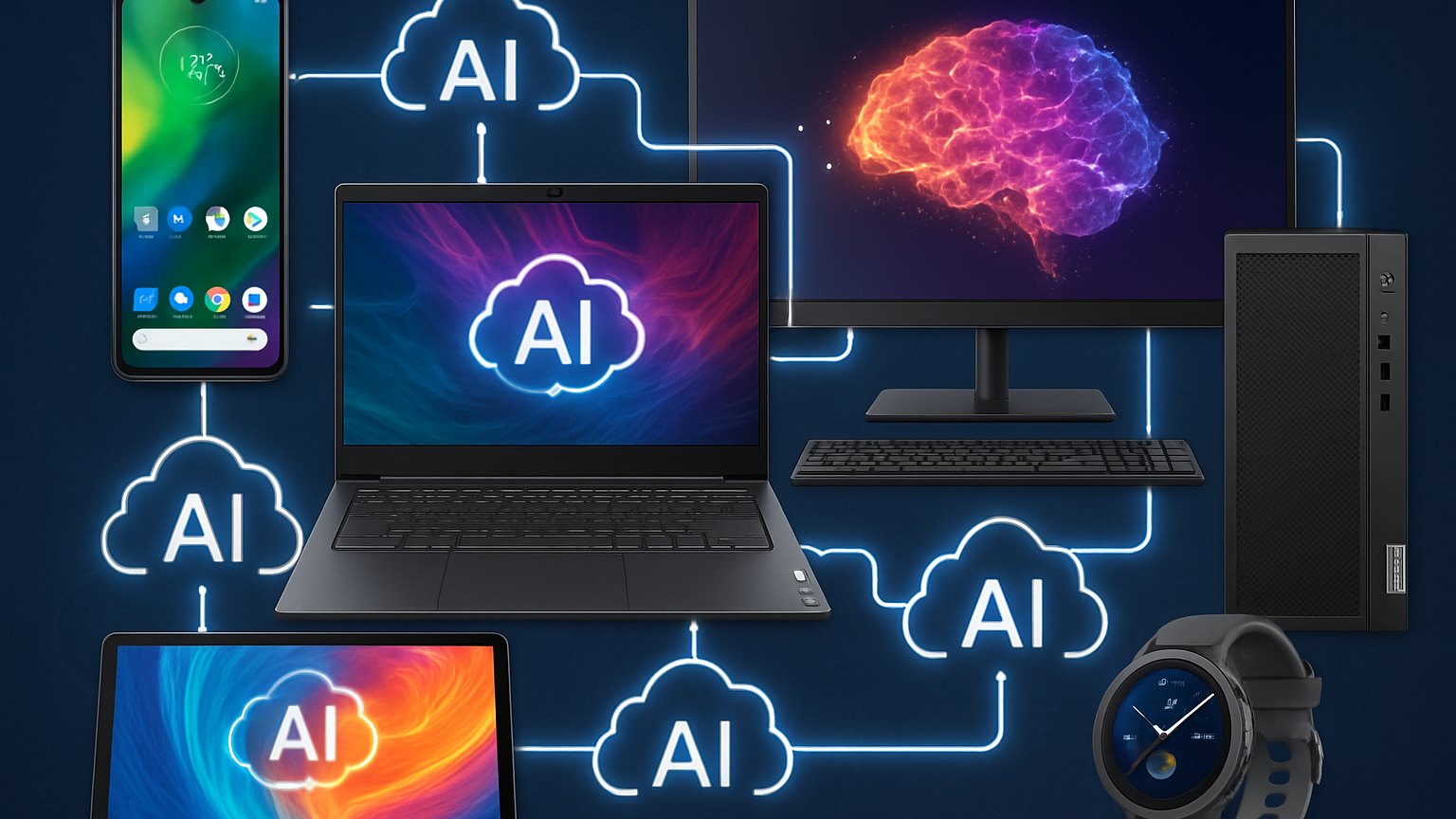
Introduction: Lenovo's AI Ambitions
Lenovo, a global leader in technology solutions, has unveiled an ambitious Hybrid AI strategy that seeks to integrate artificial intelligence into both personal and enterprise technology. With a portfolio that spans across devices, infrastructure, and services, Lenovo aims to create a seamless AI experience that enhances productivity and user engagement.
What is Hybrid AI?
Hybrid AI is a term gaining traction in the tech world. It typically refers to the integration of different AI methodologies, including traditional programming, machine learning (ML), and deep learning. This multifaceted approach allows for more nuanced insights and functionalities. Lenovo’s new strategy emphasizes not just the development of intelligent systems but also their deployment across various platforms to create interconnected user experiences.
Why This Development Matters
Enhanced User Experience
Lenovo's focus on Hybrid AI is rooted in the idea of enhancing everyday user experience. For consumers, AI can provide personalized recommendations, improved interfaces, and smarter interactions with their devices. For example, Lenovo’s PCs and tablets are expected to utilize AI algorithms that learn user habits and preferences, enabling them to optimize performance and battery life accordingly.
Business Efficiency
On the enterprise side, Lenovo aims to facilitate smarter business operations. AI can help in automating mundane tasks, forecasting trends, providing analytics, and even enhancing cybersecurity. By embedding AI in its enterprise solutions, Lenovo is enabling businesses to operate more efficiently and react dynamically to market changes.
Confirmed Integrations
Lenovo has showcased specific applications of its Hybrid AI strategy in recent product launches. The introduction of devices like the ThinkPad and Legion series highlights AI’s role not only in hardware optimization but also in improving collaborative technologies.
ThinkPad's AI Features
The latest ThinkPads incorporate AI for performance management. With features like Intel's Adaptive Battery Technology, users can experience extended battery life as the system intelligently allocates resources based on individual workflows. Lenovo's AI-enhanced cameras also allow for better video conferencing experiences through real-time background blurring and light adjustments, which is crucial for remote work setups.
Enterprise Infrastructure Solutions
In regards to enterprise infrastructure, Lenovo has rolled out AI-powered servers that enhance workload management and offer predictive maintenance solutions. This capability allows IT departments to foresee potential issues, thereby minimizing downtime and enhancing system reliability. Such integrations confirm the company's commitment to a future where AI becomes integral to both hardware and software.
Strategic Partnerships
Lenovo recognizes that achieving its Hybrid AI vision requires collaboration. The company has formed strategic partnerships with various tech giants. These alliances are designed to bolster its AI capabilities and extend its reach in both consumer and enterprise markets.
Collaboration with Microsoft
A notable partnership is with Microsoft, focusing on AI-driven solutions within the Azure cloud ecosystem. This collaboration aims to facilitate smarter cloud management, providing Lenovo customers access to advanced AI tools and resources that can be seamlessly integrated into their operations.
Working with Startups
Furthermore, Lenovo is engaging with startups specializing in AI technologies. By collaborating with these agile companies, Lenovo can leverage innovative technologies to enhance its existing offerings and tap into emerging trends faster than its competitors.
Addressing Challenges
While Lenovo’s Hybrid AI strategy is ambitious, it is not without challenges. The integration of AI into products and services raises questions about data privacy and bias, which have become flashpoints in discussions around artificial intelligence. Lenovo has stated that it prioritizes transparency and ethical considerations in its AI developments, ensuring the responsible usage of data as it fosters innovation.
Future Prospects
Looking ahead, the implications of Lenovo's Hybrid AI strategy are vast. If successful, it could redefine user interaction with technology by creating an ecosystem where devices and services work in harmony. Furthermore, as AI capabilities continue to evolve, Lenovo is well-positioned to adapt and lead in this emerging landscape.
Conclusion: A Bold Step Forward
Lenovo's Hybrid AI strategy signifies a pivotal move in both personal and enterprise tech. With confirmed implementations across a range of devices, infrastructure improvements, and strategic partnerships, the company is setting itself up for success in an increasingly AI-driven world. As consumers and enterprises alike yearn for smarter, more efficient technologies, Lenovo's ongoing efforts will be crucial to navigating the complexities of the future.