
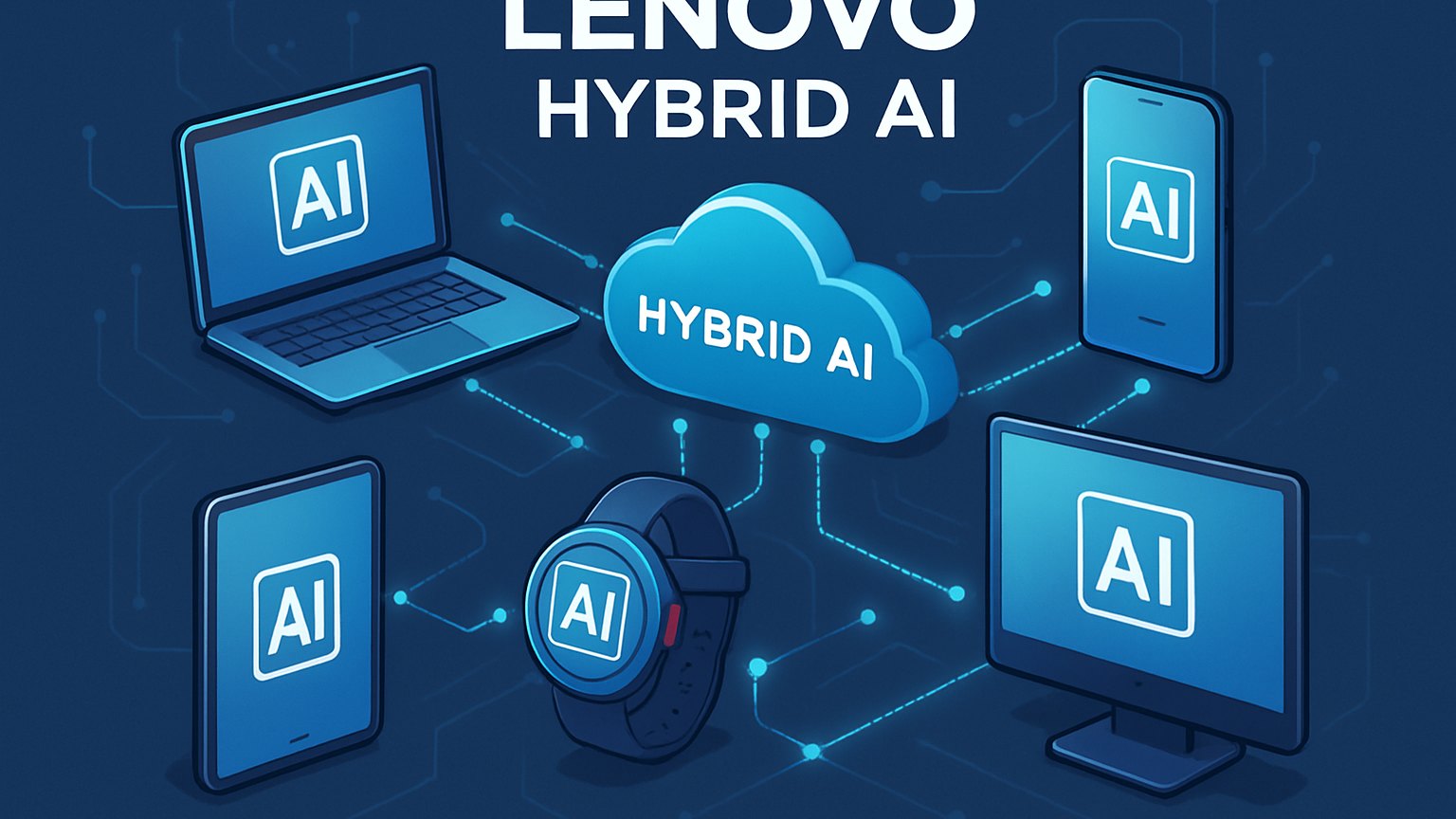
Introduction to Lenovo's Hybrid AI Strategy
At the IFA 2026 event in Berlin, Lenovo unveiled its Hybrid AI strategy, which aims to seamlessly integrate artificial intelligence (AI) within both personal and enterprise technologies. This development is particularly noteworthy as it represents Lenovo's commitment to enhancing user experiences while driving innovation across its product lines. With AI technology rapidly evolving, Lenovo's approach signals a significant shift in the landscape of technology solutions.
Importance of AI Integration in Product Development
AI has become a pivotal element in the way we interact with technology today. From personal devices like smartphones and laptops to enterprise solutions used by businesses worldwide, the integration of AI can considerably improve functionality, efficiency, and user experience. Lenovo's Hybrid AI strategy emphasizes utilizing AI to create devices that not only meet but anticipate the needs of users.
Enhancing Personal Devices
By embedding AI into personal technology products such as laptops and tablets, Lenovo aims to enhance user personalization and adaptive learning. For instance, devices employing AI can learn user preferences over time and optimize performance accordingly. Features such as predictive text, intelligent voice recognition, and smart battery management systems are just a few examples of how Lenovo plans to leverage this technology.
Transforming Enterprise Solutions
In the enterprise sector, Lenovo's Hybrid AI strategy proposes to streamline operations and improve workflow. Through cloud computing and AI-powered data analysis, businesses can extract valuable insights from vast quantities of data. The strategy also includes the development of smart collaboration tools that utilize AI to enhance communication between teams, regardless of their geographical locations.
The Hybrid Model: Bridging Consumer and Enterprise Technologies
What sets Lenovo's Hybrid AI strategy apart is its dual focus. Rather than treating consumer and enterprise AI developments as distinct entities, Lenovo aims to bridge the gap between the two, creating solutions that are adaptable for both sectors. This approach reflects a growing trend in the tech industry, where the lines between personal and professional technologies are increasingly blurred.
Realistic Use Cases
While Lenovo has presented its vision and ambitions at IFA 2026, it is critical to distinguish confirmed advancements from more speculative claims. The company has explicitly confirmed that certain features, such as AI-enhanced security protocols and real-time device monitoring for both personal and professional use, will be available soon. However, details on the widespread adoption of more advanced capabilities, such as fully autonomous devices, remain largely aspirational.
Collaboration with Artificial Intelligence Leaders
To bolster its Hybrid AI initiative, Lenovo has announced collaborations with leading AI firms, aiming to leverage existing technologies to expedite development. While these partnerships could accelerate innovation, it remains to be seen how effectively Lenovo can integrate these different technologies into its product lines without compromising quality or user experience.
Challenges Ahead
One cannot overlook the challenges that accompany the implementation of a Hybrid AI strategy. Data privacy and security concerns remain paramount, especially with increased connectivity and reliance on AI systems. Lenovo's commitment to addressing these issues will be crucial to gaining user trust. Moreover, the company faces competition from other tech giants also investing heavily in AI.
Maintaining Ethical Standards
As AI technologies become more prevalent, ethical issues surrounding their usage are increasingly important. Lenovo must navigate the ethical implications of AI functionalities, particularly those affecting user privacy and data security. A transparent approach to AI development, focusing on user consent and data protection, will help ensure that Lenovo's advancements align with public expectations and regulatory standards.
Conclusion: Lenovo's Vision for the Future
Lenovo's Hybrid AI strategy is a bold step toward integrating AI into everyday technology, transforming not only how consumers interact with their devices but also how businesses operate. This initiative has the potential to foster a new era of smart, intuitive technology tailored to meet diverse user needs. As Lenovo continues to implement its vision, the industry will be watching closely to see how effectively it navigates the challenges and opportunities presented by AI.
By focusing on both consumer and enterprise technologies under a unified strategy, Lenovo may set new standards in the tech landscape, making it a significant player in the future of AI integration.
Tags
- Lenovo
- AI Strategy
- Technology Innovation
- IFA 2026
- Hybrid AI
Meta Description
Explore Lenovo's Hybrid AI strategy announced at IFA 2026, merging personal and enterprise technologies through innovative artificial intelligence solutions.