
Understanding Lenovo's Hybrid AI Strategy
Lenovo has recently announced a groundbreaking portfolio of personal and enterprise devices as part of its new Hybrid AI strategy. This initiative aims to seamlessly integrate artificial intelligence into everyday technology, enhancing both performance and user experience. While the specifics of the technology remain closely guarded, early insights suggest an ambitious push to elevate how users interact with their devices.
What is Hybrid AI?
Hybrid AI refers to the integration of various artificial intelligence technologies to enhance functionality. This can involve combining machine learning algorithms, natural language processing, and computer vision techniques to create more intuitive and efficient devices. Lenovo's use of Hybrid AI aims to leverage these technologies in a cohesive manner, allowing devices to tailor their functionality based on user behavior and preferences.
A Comprehensive Device Portfolio
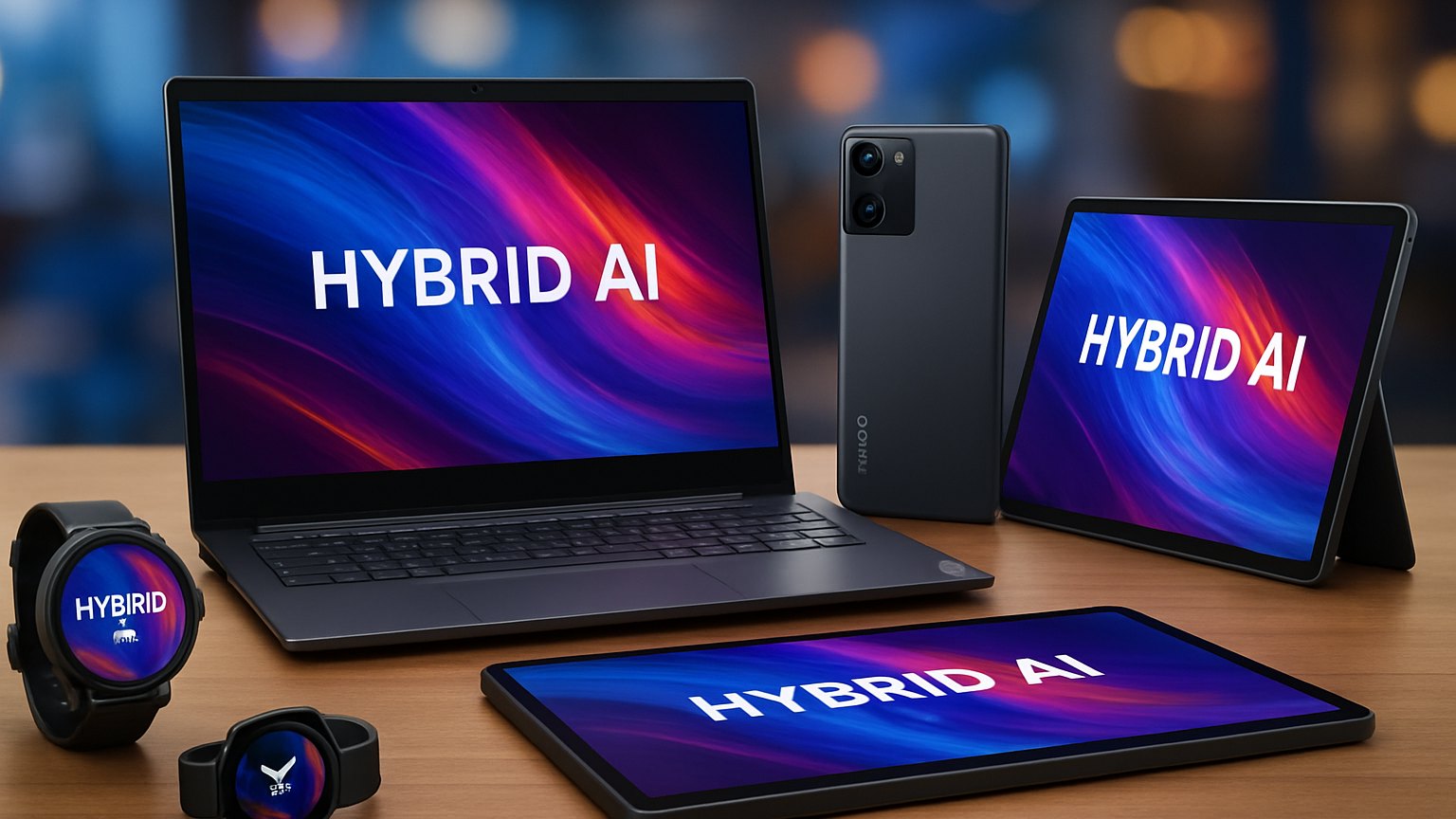
Lenovo's latest lineup includes AI-enhanced PCs, smartphones, tablets, and wearables. Each device in this new portfolio showcases the capability of Hybrid AI:
- AI-Enhanced PCs: These computers promise quicker performance, smarter multitasking, and an overall improved user experience. By utilizing machine learning, the devices can learn user habits to optimize system resources dynamically.
- Smartphones: With many consumers using their phones for more than communications, Lenovo's integration of AI can assist in everything from photography enhancements to personalized virtual assistants that adapt to users’ preferences over time.
- Tablets and Wearables: These devices can benefit from AI by providing users with health tracking, smart notifications, and real-time adjustments in functionality based on the user's activities and environments.
The Impact on Device Performance
One of the most exciting aspects of Lenovo's Hybrid AI initiative is its potential to significantly enhance device performance. Traditional computing methods often require manual adjustments for optimal performance, but with AI integration, devices can self-optimize. For instance, the ability to learn and adapt can result in impressive battery management, quicker load times, and efficient data processing—all crucial for personal and enterprise users alike.
Moreover, Lenovo is focusing on real-time data analytics, which means that devices can analyze performance metrics and user behavior continuously. This reporting can inform updates and improvements without waiting for a scheduled system overhaul.
Enhancing User Experience
Beyond hardware improvements, Lenovo's Hybrid AI aims to create a more intuitive user experience. Personalization can manifest in many ways, from customized user interfaces to streamlined access for frequently-used applications. Users can expect devices to be more responsive to their needs, reducing frustration and improving overall satisfaction.
Additionally, the integration of natural language processing allows users to communicate with their devices in a more conversational manner, whether through voice commands or chat interfaces. Lenovo envisions an environment where interacting with technology feels seamless and natural, ultimately fostering deeper engagement.
Addressing Privacy and Security Concerns
While the enthusiastic adoption of Hybrid AI offers numerous benefits, it also raises concerns regarding privacy and security. As devices become smarter and more aware of user patterns, safeguarding personal data becomes crucial. Lenovo has committed to ensuring robust security protocols in its AI systems, although the specifics of these measures have yet to be fully disclosed. Users will likely seek transparency about how personally identifiable information is handled and retained in the context of AI-driven devices.
Competitive Landscape
Lenovo's Hybrid AI initiative places it alongside other tech giants who are also investing extensively in AI capabilities. Companies like Apple, Google, and Microsoft have made significant strides in AI integration within their ecosystems. However, Lenovo’s approach may differ in that it suggests a holistic strategy catering to a wide array of devices rather than focusing on a single niche or application.
Understanding how this hybrid approach can redefine user experiences will be essential for Lenovo's competitiveness in a saturated market. Comparatively, Lenovo's unique selling proposition will hinge on the seamless integration of AI across its entire device ecosystem.
Future Implications
Lenovo's Hybrid AI integration poses intriguing implications for the future of technology. If executed successfully, this could set new standards for device performance and user interaction. The initial response to Lenovo's strategy hints at a growing consumer appetite for smarter devices that not only perform tasks but also anticipate user needs.
As Lenovo continues to refine its Hybrid AI strategy, it will be interesting to see how these innovations manifest in real-world applications.
Conclusion
Lenovo's recent unveiling of AI-enhanced devices marks a significant step in the evolving landscape of personal and enterprise technology. By focusing on a Hybrid AI approach, Lenovo aims to improve device functionality and enhance user experience significantly. As the launch progresses, the industry will closely monitor how Lenovo's strategic direction influences broader trends in technology, potentially shaping the future of how we interact with our devices.
Tags
- AI Integration
- Device Performance
- User Experience
- Technology Innovation
- Lenovo