
Introduction to Lenovo’s Hybrid AI Strategy
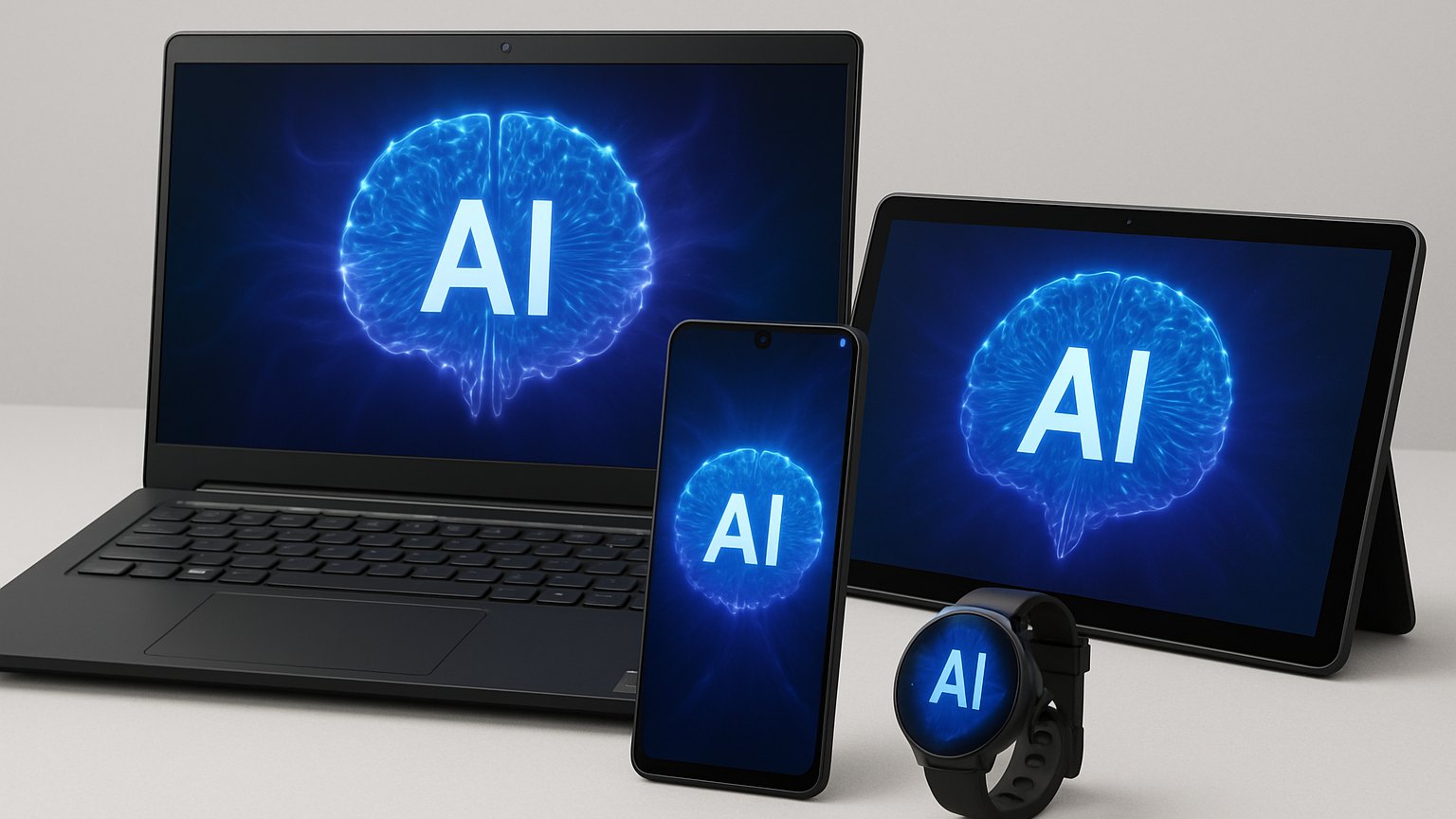
Lenovo has recently launched an innovative portfolio of personal and enterprise technology that prominently features its Hybrid AI strategy. This new approach is evident across various devices, including PCs, smartphones, tablets, and wearables, signaling a shift towards smarter, more responsive technology. The integration of AI is not merely an enhancement; it's a fundamental restructuring of how Lenovo envisions user interaction with its devices.
What is Hybrid AI?
Hybrid AI refers to the combination of cloud-based AI processing and on-device AI capabilities. This duality allows devices to perform complex tasks seamlessly while responding in real-time. Unlike traditional AI systems that often rely heavily on cloud computing, Lenovo's Hybrid AI architecture can process data locally, thus reducing latency and increasing efficiency.
Local vs. Cloud Processing
- Local Processing: This aspect of Hybrid AI allows devices to perform functions such as voice recognition, image analysis, and predictive text generation without needing constant internet connectivity. This can enhance user privacy and speed up responsiveness, crucial for applications in both personal and enterprise settings.
- Cloud Processing: While on-device processing handles immediate tasks, complex analytical tasks can still leverage cloud resources. This balance allows for a more powerful overall system while ensuring that devices can operate effectively in diverse environments.
Lenovo’s New Devices Featuring Hybrid AI
Lenovo's latest devices showcase the breadth of its Hybrid AI capabilities. The ThinkPad laptops, Yoga series, and new smartphones employ advanced AI features designed to adapt to users’ behaviors and preferences.
AI in PCs
In Lenovo’s ThinkPad line, AI enhances business productivity with features like intelligent cooling, which adjusts the device's performance based on usage patterns. For instance, in less demanding scenarios, the system can lower power consumption, thereby extending battery life. Additionally, AI-enhanced security measures will monitor for unusual login attempts, ensuring data integrity without significant user intervention.
AI in Smartphones and Tablets
Lenovo’s new smartphones leverage AI for imaging, offering real-time photo enhancements based on context. Features such as background noise reduction in calls or smart notifications can further streamline user experience. Tablets, particularly in educational settings, utilize AI to adapt learning applications to optimize individual user experience, tailoring content based on performance metrics.
AI in Wearables
Wearable devices, including smartwatches and fitness bands, are empowered by hybrid AI to provide real-time health monitoring and personalized recommendations. For instance, the integration of AI can facilitate more accurate readings of health metrics, helping users manage their wellness proactively. The opportunity for continuous feedback loops between users and the devices could revolutionize how individuals approach personal health and fitness.
The Impact on User Experience
Lenovo's Hybrid AI integration promises to transform the user experience significantly. The ability to perform complex tasks rapidly and responsively creates a seamless interaction between the user and their device. This is vital in a world increasingly reliant on technology for both work and leisure.
Improving Accessibility
One of the more notable impacts of this technology is in enhancing accessibility. AI-driven features can make devices more usable for individuals with disabilities. For example, voice-activated controls or smart text-to-speech functions can empower a broader user base, breaking down barriers that previously hindered technology use.
Customization and Personalization
The hybrid approach also enables a high level of customization. AI systems can learn from user interactions, tailoring functionalities to fit personal habits and preferences. This means that Lenovo devices aren't just tools but can become personalized companions that adapt to their users over time.
Industry Positioning and Competitive Edge
Lenovo’s investment in Hybrid AI is not just a response to current trends; it's a strategic positioning move within the highly competitive tech landscape. By pushing the boundaries of what devices can do with integrated AI capabilities, Lenovo aims to attract a wide array of users, from professionals seeking productivity tools to casual consumers looking for enhanced daily usability.
Challenges and Considerations
While the prospects of Hybrid AI are promising, there are challenges to consider. Security and privacy remain top concerns for users when it comes to devices powered by AI. Lenovo must ensure that its systems protect user data effectively while providing the advanced functionalities promised. Furthermore, as the technology evolves, maintaining the balance between on-device and cloud processing will be essential to provide the most efficient user experiences.
Conclusion
Lenovo's introduction of Hybrid AI into its latest devices marks a significant evolution in technology that bridges the gap between user needs and machine capabilities. As this integration becomes more refined, it has the potential to redefine how individuals interact with technology daily. Whether through enhanced security features, improved accessibility, or personalized experiences, Lenovo aims to shape the future of user interaction with devices, ensuring that the technology remains responsive, intelligent, and user-friendly. The implications for both personal and enterprise technology are profound, and how Lenovo navigates these developments will be crucial in shaping its future in a competitive market.