
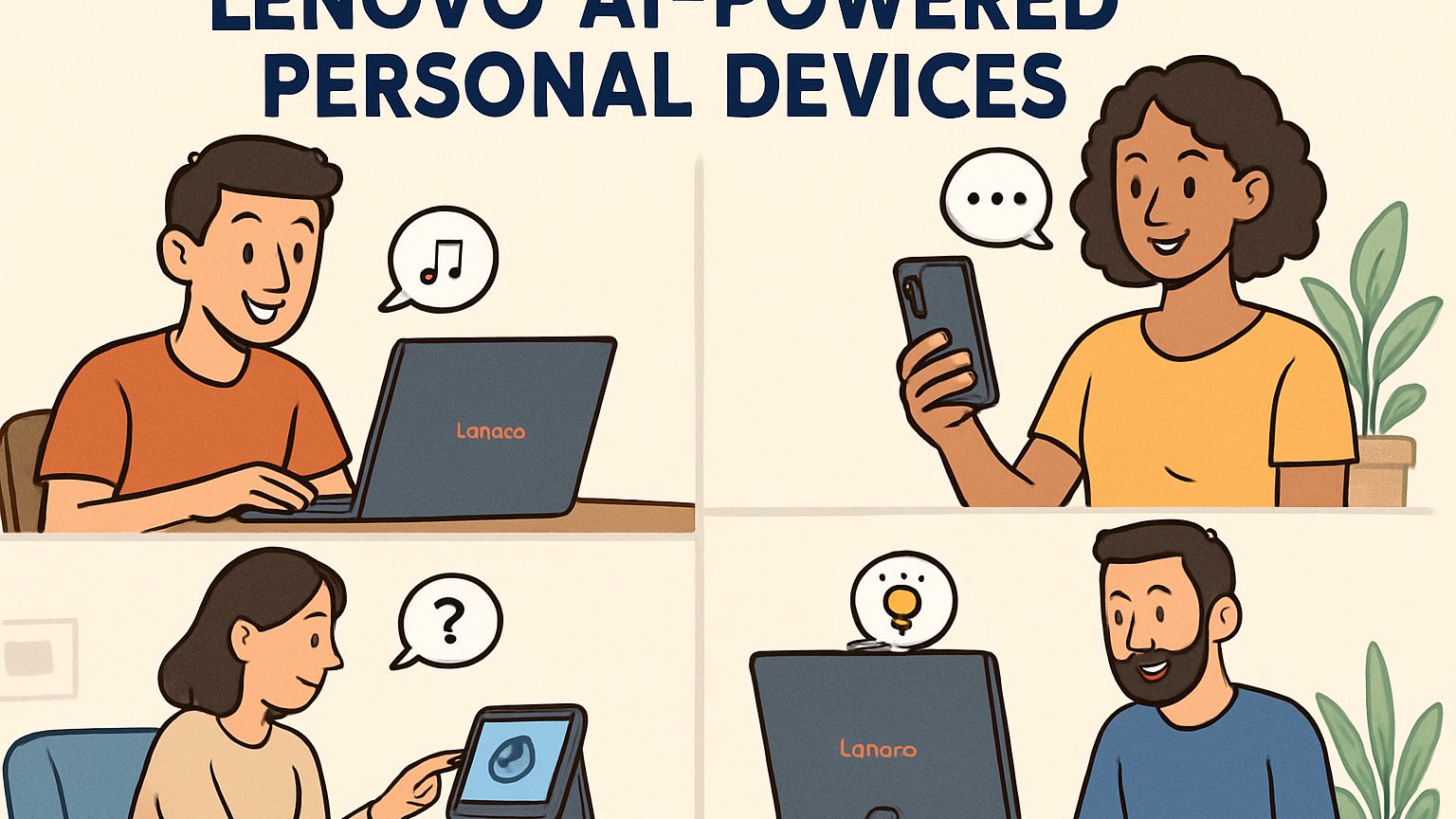
Introduction to Lenovo's AI Innovations
Lenovo, a global leader in technology and personal computing, has made significant strides in integrating artificial intelligence (AI) into its line of personal devices. With AI becoming an essential component in enhancing user experience, Lenovo's approach promises to set a new benchmark in personal device interaction and customization.
How AI Transformations Improve User Experience
AI in personal devices is not merely about adding features; it's about personalizing the experience based on individual user behaviors and preferences. Lenovo's AI-powered devices can learn from user interactions, adjusting settings to align with personal habits, productivity peaks, and even emotional states. This level of personalization allows devices to become more than just tools; they evolve into companions that enhance work efficiency and leisure activities.
Notable Features of Lenovo’s AI-Powered Devices
Smart Home Integration
One of the standout features of Lenovo’s new devices is the seamless integration with smart home ecosystems. Users can control their smart home functions directly from their Lenovo devices, allowing for an ecosystem where everything is connected. Through its AI algorithms, the device learns when and how users typically interact with smart home systems, automating routine tasks and providing suggestions based on usage patterns.
Adaptive Learning Capabilities
Lenovo has implemented adaptive learning capabilities that enhance user engagement. For instance, these devices analyze usage statistics to optimize settings automatically — adjusting screen brightness, transitioning modes based on the time of day, or altering notification preferences. This level of adaptation helps users focus better and reduces cognitive overload.
Enhanced Security Measures
Security is another crucial aspect where AI plays a significant role. Lenovo's AI-powered devices come equipped with advanced security features, such as biometric recognition and threat detection systems that evolve based on potential risks and user behavior. This adaptability ensures that the devices not only remain secure but also minimize false positives and intrusive alerts, making security management effortless for users.
Understanding the Technology Behind Lenovo's AI Devices
Machine Learning Algorithms
At the core of Lenovo’s AI innovation is machine learning. These algorithms analyze vast amounts of data collected from user interactions to identify patterns and make predictions that enhance user experience over time. The more a user interacts with their device, the smarter it becomes, offering a level of customization unattainable through traditional computing methods.
Voice Recognition and Natural Language Processing
Lenovo's commitment to making devices more user-friendly extends into the realm of voice recognition and natural language processing. The devices can understand and respond to voice commands effectively, enabling hands-free operations that increase productivity. This is particularly beneficial for multitasking users who require seamless transitions between tasks.
User Privacy and Ethical Considerations
While the benefits of AI in personal devices are evident, the ethical implications surrounding data privacy and security remain significant. Lenovo has emphasized a commitment to user privacy, stating that data collection is aimed solely at improving device functionality. However, it’s crucial for users to understand how their data is being used and stored. Transparency, consent, and user control over data settings are essential features of these devices, aimed at addressing privacy concerns.
The Competitive Landscape
Lenovo's focus on AI comes at a time when major tech companies, including Microsoft and Apple, are also investing heavily in AI technologies. While each company has its unique approach, Lenovo distinguishes its offerings by emphasizing customization and user adaptation. This focus not only enhances user experience but also positions Lenovo as a competitive player in the AI personal devices market.
Conclusion
Lenovo’s integration of AI into its personal devices signifies a transformative era in technology — one where user experience is paramount. By providing devices that learn and adapt to individual preferences, Lenovo is paving the way for a future where technology meets personalized innovation head-on. As the AI landscape continues to evolve, the emphasis on user customization will likely become a defining factor in the success of personal technology products.
Lenovo’s approach sets a precedent, showcasing that AI can enrich everyday experiences while also prioritizing user engagement, security, and ethical considerations. As consumers grow increasingly reliant on these devices, compelling advancements such as those from Lenovo will continue to shape the future of personal technology.