
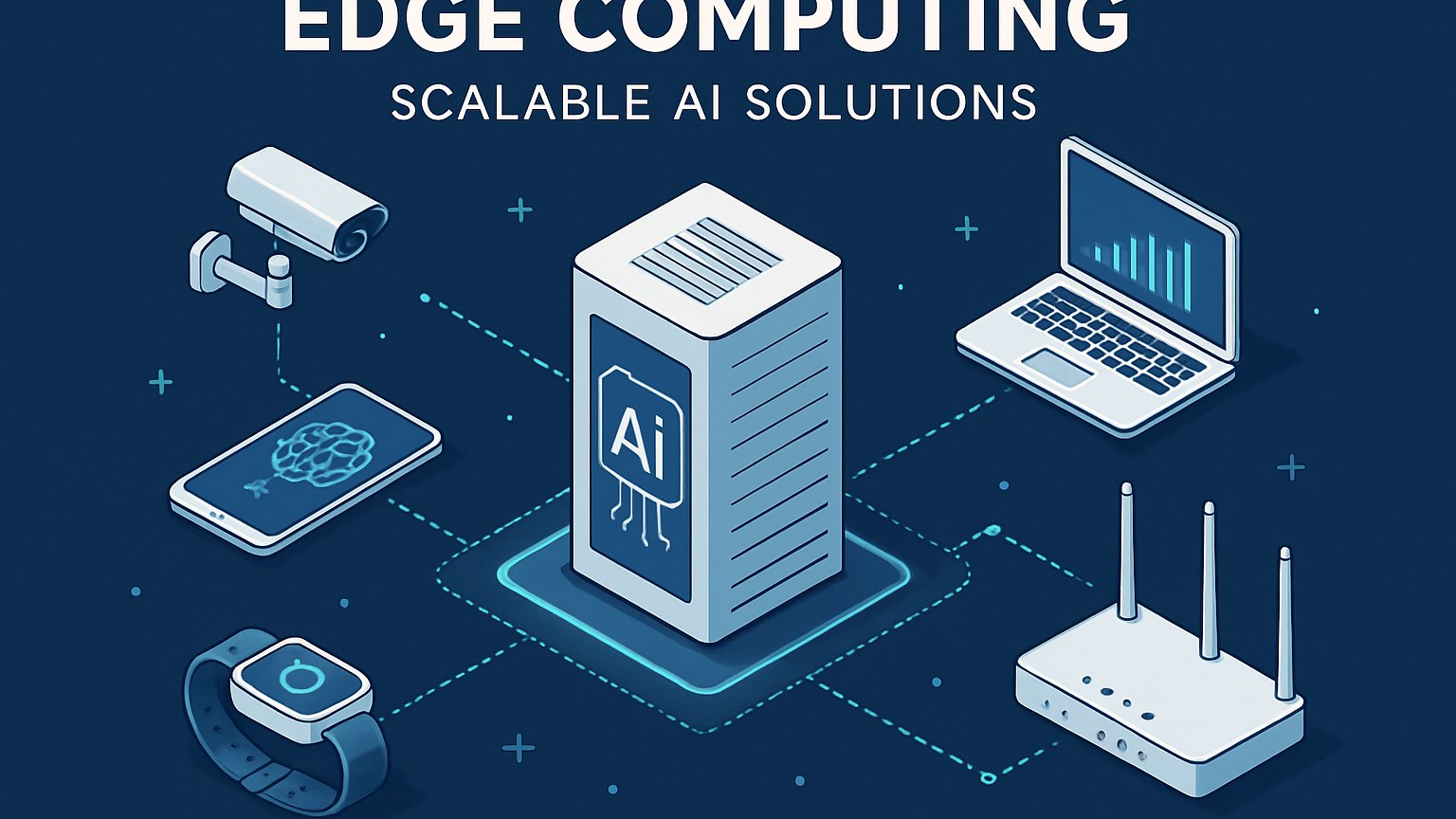
Introduction to Intel's Edge Platform
Intel recently unveiled its Edge Platform, a modular and open software solution designed to empower enterprises in developing and deploying artificial intelligence (AI) applications at the edge. Operating on standard hardware, this platform aims to transform how businesses manage and scale their edge computing needs. With the growing demand for efficient data processing at the source, Intel’s approach is timely and critical in the emerging landscape of edge AI solutions.
Architecture of Intel's Edge Platform
Modular Design
The architecture of Intel's Edge Platform is built upon a modular framework, allowing organizations to customize their solutions according to specific requirements. This modularity means that different components can be selected and configured without extensive up-front investment in new hardware. Users can mix and match various software modules to create an ideal setup tailored to their operational goals.
Open Software Ecosystem
Another noteworthy aspect of Intel’s approach is its commitment to an open software ecosystem. By allowing third-party developers to create and integrate applications, businesses can leverage a wide array of functionalities beyond Intel's core offerings. This openness fosters innovation and enables enterprises to incorporate cutting-edge technologies and techniques that enhance their edge computing capabilities.
Compatibility with Standard Hardware
Intel emphasizes that its Edge Platform operates on standard hardware, which is a significant advantage for enterprises. Many organizations already have existing infrastructures based on Intel architecture, meaning they can implement the Edge Platform without needing major hardware changes. This compatibility reduces costs and facilitates easier transitions to advanced AI capabilities.
Benefits of the Edge Platform
Enhanced Data Processing
One of the primary benefits of Intel’s Edge Platform is the acceleration of data processing. Traditional cloud-centered frameworks often struggle with latency and bandwidth constraints, particularly when dealing with real-time data. By shifting processing closer to the data source—at the edge—Intel’s platform helps minimize latency and improves speed. This enhances applications where immediate data processing is crucial, such as in autonomous vehicles or healthcare monitoring devices.
Scalability
The Edge Platform is designed for scalability, making it suitable for businesses of all sizes. Whether an organization operates a handful of devices or thousands, the platform supports dynamic scaling to meet fluctuating demands. This is particularly advantageous for industries that experience variability in data load, such as retail during peak shopping seasons.
Security Features
As the adoption of edge computing increases, so do the security concerns surrounding it. Intel's Edge Platform integrates advanced security measures throughout its architecture. From the device level up through application development, security protocols aim to protect sensitive data and operations, reducing risk for businesses transitioning to AI-driven solutions.
Potential Applications
Smart Cities
Intel's Edge Platform has significant implications for smart city initiatives. With the ability to process data from various sensors and devices in real-time, cities can enhance public safety, improve traffic management, and optimize resource use. For instance, traffic signals equipped with AI could analyze real-time traffic conditions to adjust timing and reduce congestion.
Manufacturing
The manufacturing sector can also greatly benefit from this technology. AI-driven predictive maintenance solutions built on Intel’s Edge Platform can analyze machinery data to forecast equipment failures before they occur, thus minimizing downtime and associated costs. This capability becomes increasingly essential as industries adopt smart factory initiatives.
Retail
In the retail industry, the Edge Platform can enable real-time inventory management and customer engagement solutions. AI analytics can help retailers adjust promotions based on consumer behavior observed through in-store cameras, which can improve sales strategies and customer satisfaction.
Conclusion
Intel’s Edge Platform represents a meaningful advancement in the deployment of edge AI solutions, focusing on modularity, openness, and compatibility with existing hardware. By streamlining data processing, enhancing security, and offering scalability, this platform is poised to revolutionize various industries—from smart cities to manufacturing and beyond. As enterprises continue to seek innovative approaches to handle their data, Intel’s Edge Platform may become a cornerstone of future computing strategies at the edge.