
Introduction
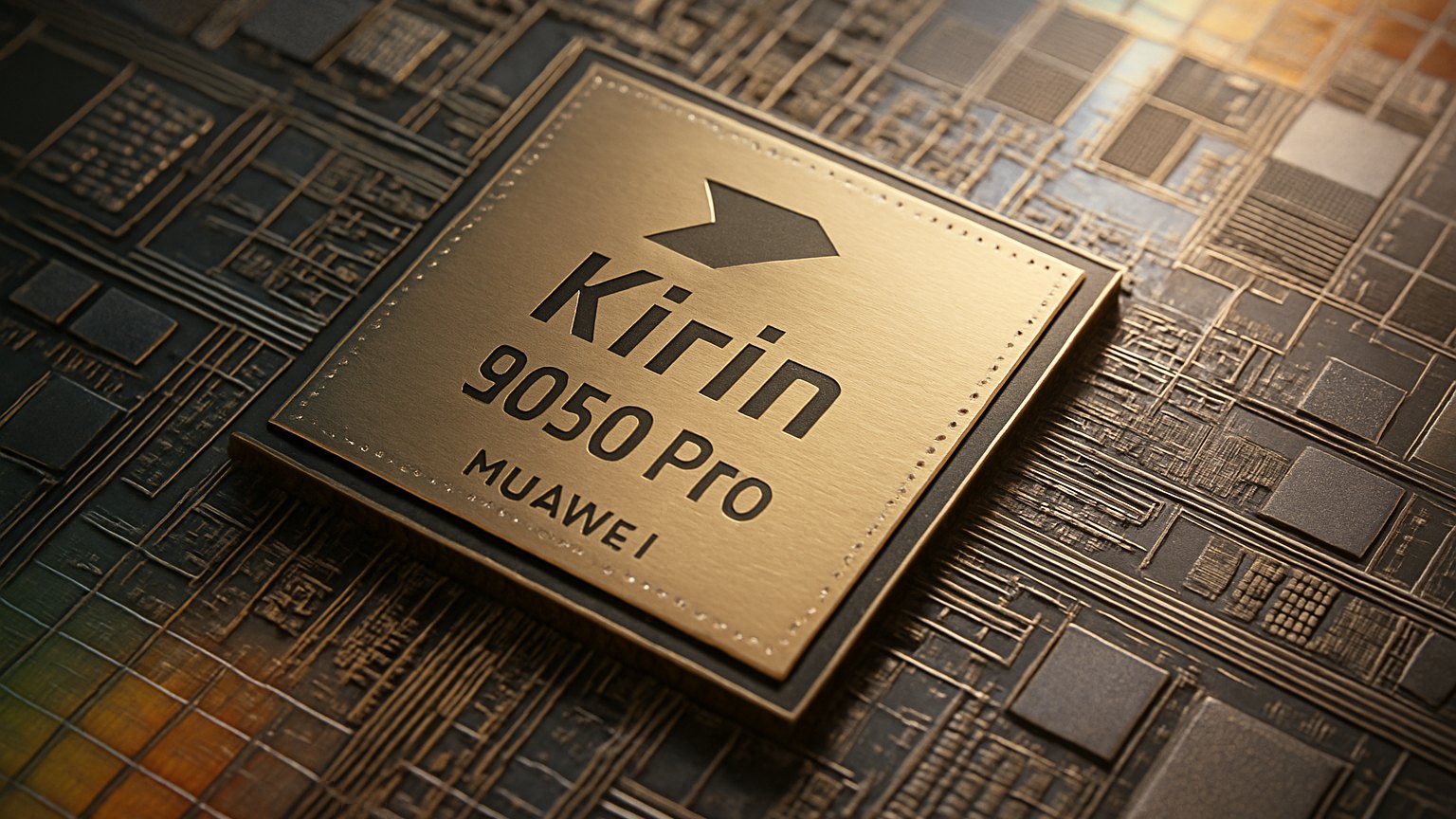
Huawei has made headlines recently with the announcement of its Kirin 9050 Pro chip, a significant innovation that has raised eyebrows across the global semiconductor industry. The company claims that this new chip is entirely free of US-made components, marking a pivotal step in Huawei's journey towards technological self-sufficiency. This development holds substantial implications not only for Huawei but for broader trends in global technology and trade.
What is the Kirin 9050 Pro?
The Kirin 9050 Pro is engineered to power Huawei's latest device, the Mate XT 2, which features a unique tri-fold design. The chip utilizes advanced semiconductor technology tailored for performance and efficiency in mobile applications. While Huawei has not disclosed specific technical specifications or performance benchmarks, industry analysts anticipate that the Kirin 9050 Pro aims to compete with leading chips from rivals such as Qualcomm and Apple.
The Shift Toward Independence
Background
In recent years, Huawei has faced a series of challenges due to sanctions imposed by the US government, which have severely limited its access to American technology, particularly in the semiconductor sector. The company has been under pressure to pivot towards self-reliance in chip production, culminating in the development of the Kirin 9050 Pro.
Importance for Huawei
Huawei's focus on producing its own chips is crucial not only for its operational continuity but also for its long-term viability in the tech market. By developing the Kirin 9050 Pro without reliance on US components, Huawei signals its intent to forge a new path forward amidst constraints imposed by geopolitical tensions.
Implications for the Semiconductor Industry
A New Competitive Landscape
If verified, Huawei's achievement in producing a chip free of US technology could reshape the competitive dynamics within the semiconductor industry. This move is likely to encourage other companies, particularly those in regions with strained relations with the US, to invest in their own semiconductor technologies and reduce dependency on the US supply chain.
Boost for Global Supply Chains
The innovation presented by the Kirin 9050 Pro can potentially lead to enhancements in global semiconductor supply chains. As nations look to mitigate risks associated with geopolitical tensions, localizing chip production will likely become a priority. Countries like China and others in Asia could see increased funding and interest in domestic semiconductor projects.
Confirmations vs. Claims
While Huawei's declaration that the Kirin 9050 Pro is devoid of US components is an outstanding claim, it's essential to distinguish between their presentation and verifiable facts. Getting independent verification of these claims is critical, as skepticism remains high within portions of the tech community. In addition, the technical specifics regarding the chip’s architecture and manufacturing processes have yet to be disclosed, making it difficult to assess the full implications of this breakthrough.
The Future of Huawei and the Industry
Huawei's strategic decisions in the semiconductor arena will undoubtedly influence its position in the global market. Successes in producing competitive chips like the Kirin 9050 Pro could cement its status as a leading technology giant not just in China, but internationally, even amid ongoing geopolitical tensions.
A Glimpse Ahead
As the industry evolves, there is a strong likelihood that other companies, inspired by Huawei's commitment to independence, will increasingly pursue their own in-house chip solutions. This could lead to a surge of innovation worldwide as businesses adapt and strive to create cutting-edge technology that minimizes dependence on foreign suppliers.
Conclusion
The introduction of Huawei's Kirin 9050 Pro marks an essential milestone in the company’s quest for semiconductor independence. This development is not just a reflection of Huawei's resilience but also indicative of shifting paradigms within the global semiconductor landscape. As companies and nations become more self-reliant in chip production, the repercussions of such changes will resonate throughout the technology landscape for years to come.
Tags
- Semiconductor Independence
- Huawei Kirin 9050 Pro
- Technology Innovations
- Mate XT 2
- Global Semiconductor Industry
Meta Description
Huawei's Kirin 9050 Pro chip, free of US components, marks a pivotal step in semiconductor independence and impacts global tech and trade dynamics.