
Introduction
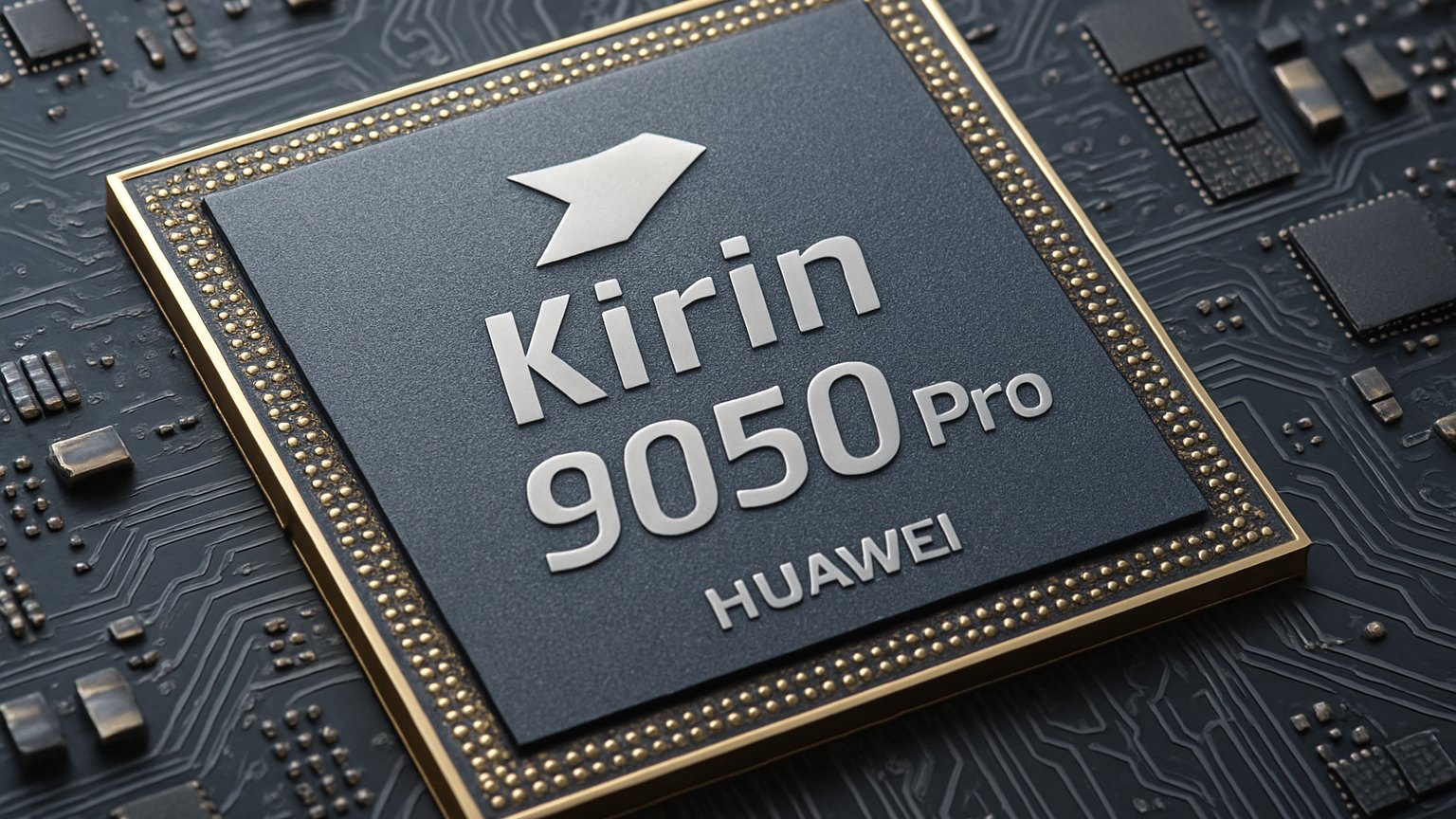
Huawei has recently announced its latest processor, the Kirin 9050 Pro chip, generating significant buzz in the tech community. This new offering marks a substantial leap in performance and efficiency, showcasing Huawei’s commitment to innovation amid ongoing geopolitical tensions. The development of the Kirin 9050 Pro is noteworthy not only for its technical merits but also for its implications for Huawei’s future in mobile technology.
Performance Enhancements
Cutting-Edge Power
The Kirin 9050 Pro is positioned as a powerhouse with enhanced features designed to improve user experience across various applications, from gaming to artificial intelligence (AI). Early performance benchmarks suggest impressive gains over its predecessor, the Kirin 9000. Huawei claims that the new chip will deliver better processing speeds, reduced power consumption, and improved thermal management, allowing devices to perform efficiently under pressure.
AI Capabilities
One of the standout features of the Kirin 9050 Pro is its advanced AI capabilities. The chip incorporates a dedicated AI processing unit (APU) that provides robust on-device AI functionality. This development allows applications to run more smoothly and enables safer interactions, particularly with camera functionalities, personalized recommendations, and voice recognition. By streamlining these processes, Huawei aims to enhance the overall usability of devices powered by the Kirin 9050 Pro.
Innovative Design: Two-Layer Architecture
What is a Two-Layer Chip?
The Kirin 9050 Pro introduces an innovative two-layer chip design, which Huawei claims will optimize space and energy efficiency. This architectural breakthrough is intended to improve chip performance while minimizing the physical footprint that traditional chips occupy in devices. Understanding the intricate design can provide insights into how Huawei is adapting to manufacturing constraints and striving for more compact device designs.
Benefits of the Two-Layer Approach
This design not only reduces the overall size of the chip but also enhances its cooling capabilities due to a more efficient layout. This could lead to significant battery life improvements while maintaining performance. The two-layer architecture exemplifies a major engineering achievement, potentially influencing future designs across the industry.
Reducing Reliance on US Components
Navigating Trade Challenges
Huawei’s recent advancements with the Kirin 9050 Pro come against a backdrop of increased scrutiny and restrictions from the US government, prompting the company to accelerate its efforts to curtail reliance on American-made technology. The development of this chip includes more components sourced from non-US suppliers, in line with Huawei's strategy to mitigate the impact of trade restrictions.
A Strategic Shift
By diversifying its supply chain, Huawei not only safeguards its production capabilities but also supports the growth of local suppliers and fosters technological independence. This strategic shift is significant as it illuminates the broader impacts of global geopolitics on technology development, particularly in sectors highly dependent on advanced manufacturing techniques.
Implications for Future Devices
Broader Product Integration
The Kirin 9050 Pro is expected to be featured in upcoming flagship devices, enhancing both performance and user experience. Anticipated models include the next iterations of Huawei’s flagship smartphones, which may leverage the chip's capabilities for better photography, gaming, and general productivity. The successful integration of this chip could solidify Huawei’s position in the competitive smartphone market.
Competitive Landscape
As Huawei positions the Kirin 9050 Pro against offerings from competitors like Qualcomm and Apple, the implications for market dynamics are considerable. A successful rollout could potentially shift consumer preferences and set new performance benchmarks in the mobile industry, further intensifying competition between these major players.
Conclusion
The announcement of the Kirin 9050 Pro chip by Huawei marks a pivotal moment in mobile technology development. With its enhanced performance, innovative design, and strategic shift to reduce reliance on US components, this development is not just about a new chip—it represents a broader narrative about resilience and adaptation in the face of challenges. The industry will be watching closely as Huawei implements this technology in its upcoming devices, potentially reshaping the competitive landscape and pushing the boundaries of what mobile technology can achieve.