
Introduction
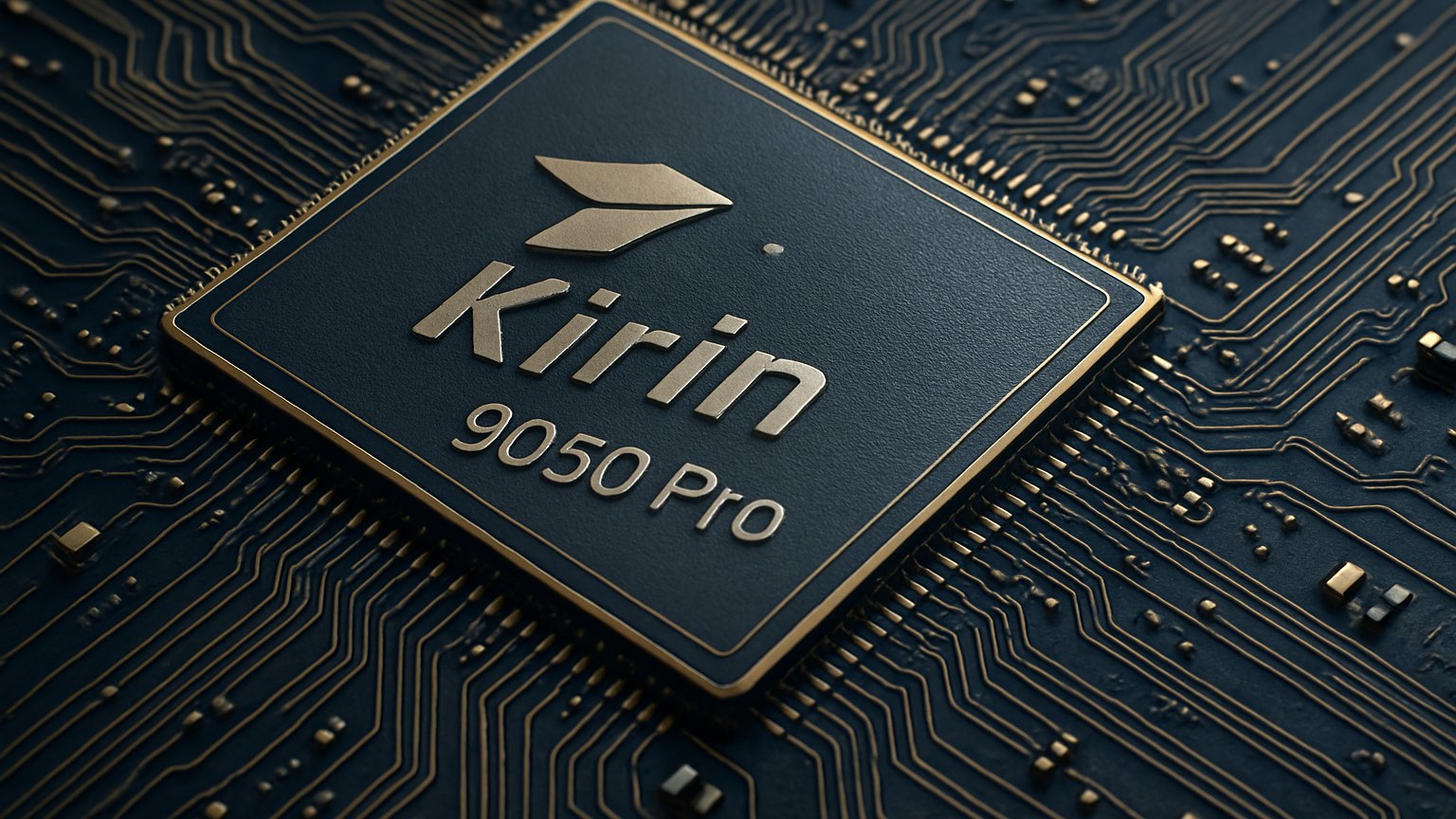
Huawei has unveiled its latest semiconductor innovation, the Kirin 9050 Pro, marking a significant step towards ensuring its technological self-sufficiency. This chip is set to power the new Mate XT 2 smartphone, and notably, it is developed entirely without US-made components. The implications for Huawei in the context of global semiconductor supply chains and technological independence are vast.
A New Epoch in Self-Sufficiency
The Kirin 9050 Pro represents Huawei’s commitment to achieving semiconductor independence. Following years of trade restrictions imposed by the United States, Huawei has aggressively pursued alternative supply chains and homegrown technologies. Experts acknowledge this bold move as a strategy to mitigate risks associated with geopolitical tensions. According to Hua Wei’s CEO, this transition could empower the company to reinvigorate its ability to innovate without reliance on Western technologies.
Performance Improvements
The Kirin 9050 Pro boasts several performance enhancements over its predecessor, the Kirin 9000 series. Built on a 3nm process technology, it features an updated architecture that combines high-performance cores with energy-efficient ones, improving overall processing speed and reducing power consumption. Early reports indicate that users can expect significantly faster app loading times and more robust multitasking capabilities. While exact benchmarks are not yet available, the chip's design implies substantial performance gains in areas such as gaming and photo processing.
Innovative Two-Layer Chip Design
One of the standout features of the Kirin 9050 Pro is its innovative two-layer chip design. This design strategy aims to optimize heat dissipation and improve energy efficiency. By stacking semiconductor components, Huawei claims it can reduce the physical footprint while increasing processing capabilities. This approach stands apart from conventional chip designs and could set a new industry standard if proven effective in real-world applications. Industry analysts are cautiously optimistic but highlight the importance of extensive real-world testing to validate these claims.
Implications for the Semiconductor Industry
The Kirin 9050 Pro could serve as a catalyst for change in the semiconductor industry, particularly in the context of ongoing supply chain disruptions. Huawei's success or failure with this entirely independent chip will likely influence other manufacturers; companies facing similar restrictions may follow suit in developing indigenous solutions. Experts speculate that this trend could spur increased investment in semiconductor research and development across China and other regions, as countries strive to achieve technological sovereignty.
Thwarting US Sanctions
The introduction of the Kirin 9050 Pro reflects Huawei's strategic pivot in the face of ongoing US sanctions. By eliminating US components, Huawei hopes to circumvent severe restrictions that have hindered its operations since the trade tensions escalated in 2019. For the first time, a major smartphone manufacturer has launched a flagship chip entirely independent of American technology. While many details remain to be substantiated as the product rolls out, early indicators suggest that Huawei is committed to a long game in global tech independence.
Market Reactions and Future Outlook
Initial reactions from the tech community have been mixed. Some analysts applauded Huawei's ingenuity, while others remain skeptical about the long-term viability of an entirely independent semiconductor ecosystem in the face of global competition. Market analysts from Counterpoint Research project that a successful launch could position Huawei as not only a smartphone leader but a potential contender in the global semiconductor arena, challenging established players. The real test will be how well the Kirin 9050 Pro performs in day-to-day usage and whether it can compete effectively against existing industry giants like Qualcomm and Apple.
Conclusion
Huawei's Kirin 9050 Pro sets a significant precedent in the race for semiconductor independence, reflecting a shift in strategies among tech manufacturers globally. It illustrates the potential for innovation amid restrictions and the importance of localized technology solutions. As Huawei continues to navigate a complex geopolitical landscape, the success of the Kirin 9050 Pro could have far-reaching implications, not just for the company but for the broader tech ecosystem.
With further details Expected to emerge as the Mate XT 2 hits the shelves, all eyes will be on how this new chip performs in real-world conditions and whether it can fulfill the ambitious promise of self-sufficiency.