
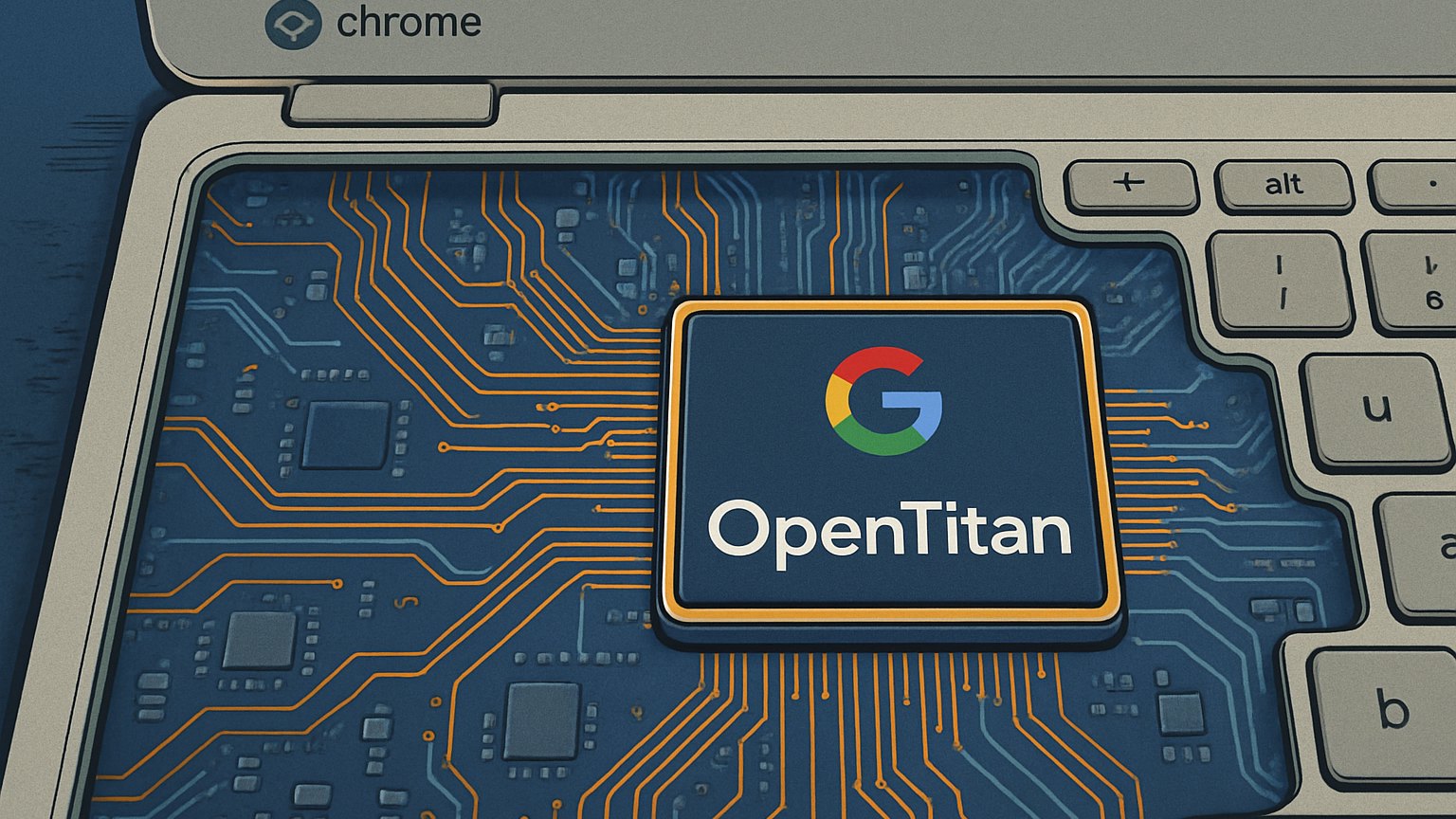
Introduction to OpenTitan
Google's introduction of OpenTitan marks a significant shift in the landscape of hardware security. OpenTitan is touted as the first open-source silicon root of trust, aimed at enhancing security in devices, specifically Chromebooks and data centers. This initiative is not just a technical advancement but a strategic move to endorse transparency and collaboration in an era where cyber threats are constantly evolving.
What is OpenTitan?
OpenTitan is a hardware security module that ensures the integrity and trustworthiness of systems by verifying hardware components from the moment they are powered on. Acting as a root of trust, it provides a secure foundation for operations, crucial for devices handling sensitive data. The project is hosted by the OpenTitan community, which includes an array of contributors that provide insights and improvements.
The core goal of OpenTitan is to replace proprietary models with an open-source alternative, allowing users to review, audit, and enhance the security features without being dependent on a single vendor’s ecosystem. This aligns with the broader trend towards open-source solutions in the tech industry, focusing on community-led development.
The Significance of Open Source in Hardware Security
Transparency and Trust
The move to an open-source platform not only eliminates vendor lock-in but also fosters a trust-centric ecosystem. Traditional hardware security solutions often operate under opaque architectures. By making the source code available, OpenTitan allows any security researcher or developer to scrutinize its design for vulnerabilities and ensure its robust functioning.
Community Collaboration
Community engagement is foundational to OpenTitan's strategy. The platform invites developers worldwide to contribute, thus accelerating innovation and security enhancements. The collaborative environment can lead to quicker identification and fixing of security flaws compared to closed-source solutions. OpenTitan, therefore, aims to cultivate an active ecosystem that might drive the adoption of best practices in hardware security.
Deployment in Chromebooks
Google's deployment of OpenTitan in Chromebooks represents the practical implications of this initiative. Chromebooks are designed with security in mind, serving primarily in education and enterprise settings where data protection is vital. Integrating OpenTitan enhances the existing security architecture of Chromebooks by:
- Strengthening Boot Security: By verifying firmware and software at boot-up, OpenTitan ensures that users are safeguarded against persistent threats and tampering.
- Facilitating Secure Updates: OpenTitan can authenticate updates for the operating system and applications, ensuring that only legitimate and uncorrupted code is executed on the device.
- Enhancing Recovery Options: In the event of a security breach or corruption, OpenTitan aids recovery by ensuring that users can restore their systems from known secure states effectively.
Confirmed Facts and Potential Benefits
As noted in Google's official blog, the integration of OpenTitan brings confirmed enhancements in user trust and resilience against threats. This transition is crucial in maintaining the security posture of Chromebooks, especially when used in sectors where compliance with data protection laws is mandatory, such as education and healthcare.
Importance for Data Centers
The application of OpenTitan goes beyond consumer devices. In data centers, which are often the backbone of enterprise operations, the security of hardware is of paramount importance.
Addressing Vulnerabilities in the Supply Chain
With supply chain attacks on the rise, securing the hardware layer becomes critical. OpenTitan provides a way to verify not just the software but also the hardware running within data center environments. This means data centers can operate with confidence that their foundational components are not compromised.
Scalability and Customization
Open-source solutions like OpenTitan can be adapted to meet specific organizational needs, making it easier for data centers to integrate sophisticated security measures that cater directly to their operational requirements. Organizations have the flexibility to modify the open-source codebase according to their security policies, which can be a substantial advantage in rapidly evolving threat landscapes.
Challenges and Future Considerations
Adoption Hurdles
Despite these advantages, there are hurdles to widespread adoption. The transition from established, proprietary systems to an open-source equivalent requires not only technical shifts but also a cultural change within organizations.
Community Growth
The future of OpenTitan depends on the growth of its developer community. A more significant contributor base can enhance security features and promote best practices, which could lead to wider acceptance in enterprise environments.
Conclusion
Google's OpenTitan initiative represents a promising step towards fortifying hardware security through open-source measures. Its deployment in Chromebooks and potential application in data centers highlights the necessity of innovation in responding to increasingly complex cyber threats. By placing trust back into the hands of users and developers, OpenTitan could redefine how organizations approach hardware security, ensuring robust defenses against evolving risks in digital landscapes.