
Overview of Gartner's IT Spending Forecast
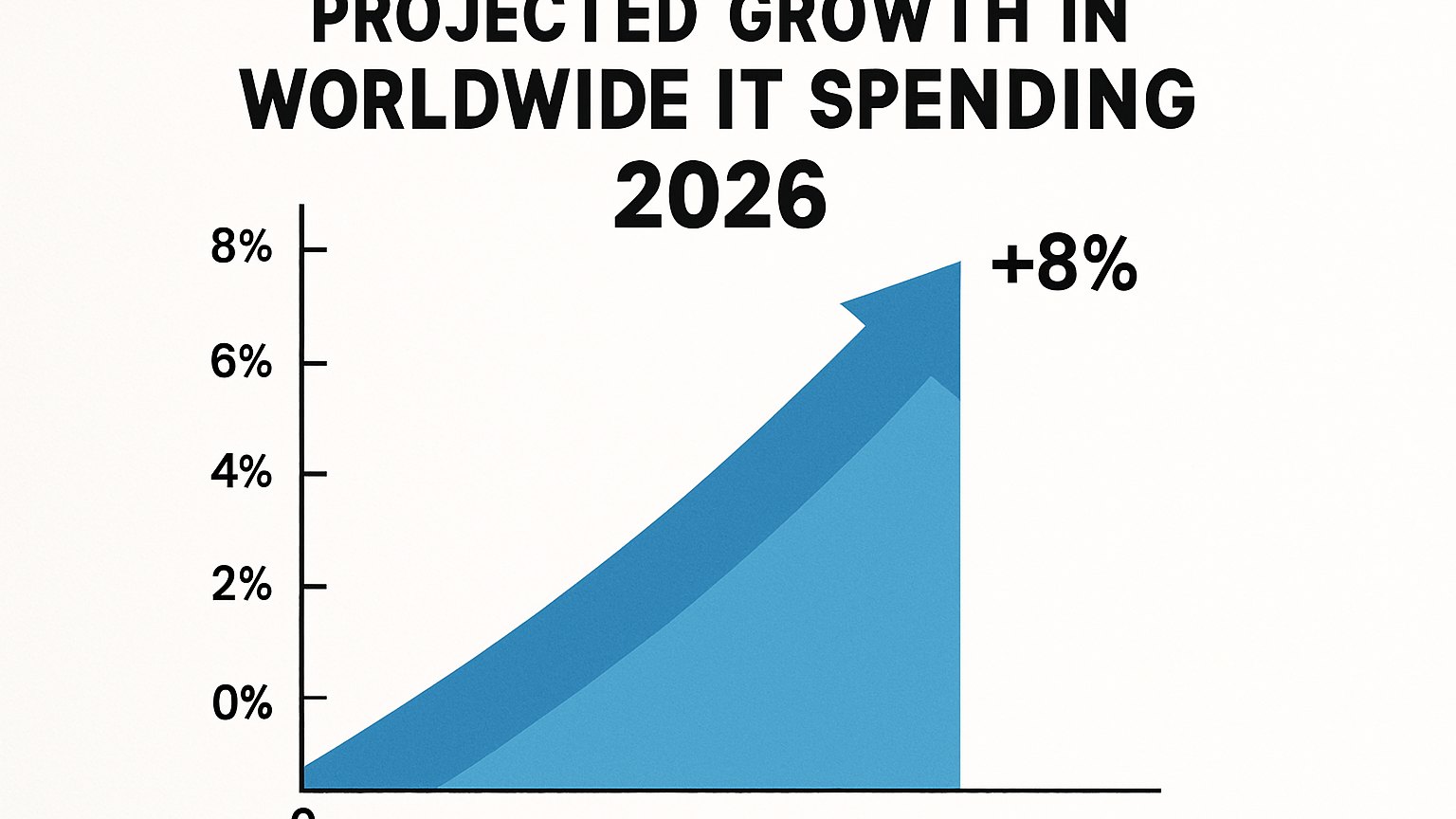
Gartner, a leading research and advisory company, has released a compelling forecast for worldwide IT spending, projecting a total expenditure of $6.08 trillion in 2026. This figure represents a 9.8% increase from the 2025 spending estimates. The noteworthy growth is largely attributed to rising demand for AI infrastructure and devices, signaling a pivotal shift in market priorities toward artificial intelligence technologies.
Breakdown of Forecasted IT Spending
The increase in IT spending is driven by several key segments:
-
AI Investments: Organizations are increasingly focused on integrating AI solutions into their operations. This encompasses hardware, software, and services that support AI workflows.
-
Cloud Services: The ongoing shift to cloud-based infrastructure continues to gather momentum. Businesses are realizing the scalability and efficiency benefits that cloud services offer, further boosting IT budgets.
-
Cybersecurity: As the digital landscape expands, so do threats to information security. Higher investments in cybersecurity are anticipated, reflecting the growing recognition of the critical importance of safeguarding digital assets.
-
Networking and Connectivity: The demand for enhanced networking technologies will also contribute to overall IT spending, particularly as remote work persists and global connectivity becomes more essential.
The AI Driving Force
The catalysts for this spending surge are closely linked to AI technologies. Gartner’s insight emphasizes that the investment in AI infrastructure will be pivotal to meeting organizational goals. This trend is evident as businesses seek to automate processes, enhance decision-making, and improve customer experiences through advanced analytics and machine learning systems.
According to the forecast, companies that are proactive in adopting AI technologies will likely find themselves at a competitive advantage. This future-oriented stance is essential as digital transformation becomes a core crucial component for organizational success across various industries. Furthermore, Gartner's analysis suggests that organizations prioritizing AI will not only enhance their operational efficiencies but will also unlock new revenue streams.
Contextualizing the Projected Growth
While Gartner’s projections provide valuable insights, it’s crucial to differentiate between confirmed trends and speculative claims. The growth forecast is underpinned by current investments reported across sectors like healthcare, finance, and manufacturing, which are increasingly leveraging AI for predictive analysis and automation. Companies that have successfully integrated AI into their operations are already experiencing significant efficiency gains and cost reductions, supporting Gartner’s predictions.
That said, the positive growth estimated for 2026 could be tempered by economic uncertainties or shifts in technological priorities. External factors, such as economic conditions, supply chain disruptions, and regulatory changes might also impact these forecasts.
Implications for Businesses
For business leaders, the takeaway from Gartner's forecast is clear: investing in AI capabilities will be paramount. Decision-makers must evaluate their current technology landscapes and consider the steps necessary for effective AI integration. Organizations that do not adapt may risk falling behind competitors who leverage innovative technology to drive performance and engage customers more effectively.
It's advisable for CIOs and IT managers to:
- Evaluate current AI capabilities: Assess existing technology and infrastructure to identify gaps that need to be filled.
- Prioritize investment in training: Equip teams with the necessary skills to implement AI effectively across their operations.
- Analyze customer data: Utilize AI tools to better understand consumer behavior and preferences, leading to enhanced service offerings.
The Road Ahead
As the IT landscape continues to evolve, Gartner's forecast serves as a roadmap for organizations aiming to remain competitive. With AI at the forefront of this growth trajectory, companies must not only invest in technology but also cultivate a culture of innovation that embraces change. The implications of these shifts are profound, potentially reshaping industries and redefining business strategies.
In conclusion, while the shift toward increased IT spending led by AI is promising, businesses must navigate complexities and uncertainties that lie ahead. Continuous adaptation and strategic investment will be critical for companies aiming to harness the opportunities presented by the burgeoning AI market.
For the latest details on IT spending trends and strategic insights, refer directly to Gartner's official press release.