
Introduction
In its latest report, Gartner identifies key technology trends shaping the landscape for 2026. The focus is heavily on artificial intelligence (AI) innovations such as supercomputing platforms, multiagent systems, and domain-specific language models. This has significant implications for businesses and policymakers alike, marking an urgent need for organizations to adapt to the rapidly evolving technological environment.
AI Supercomputing Platforms
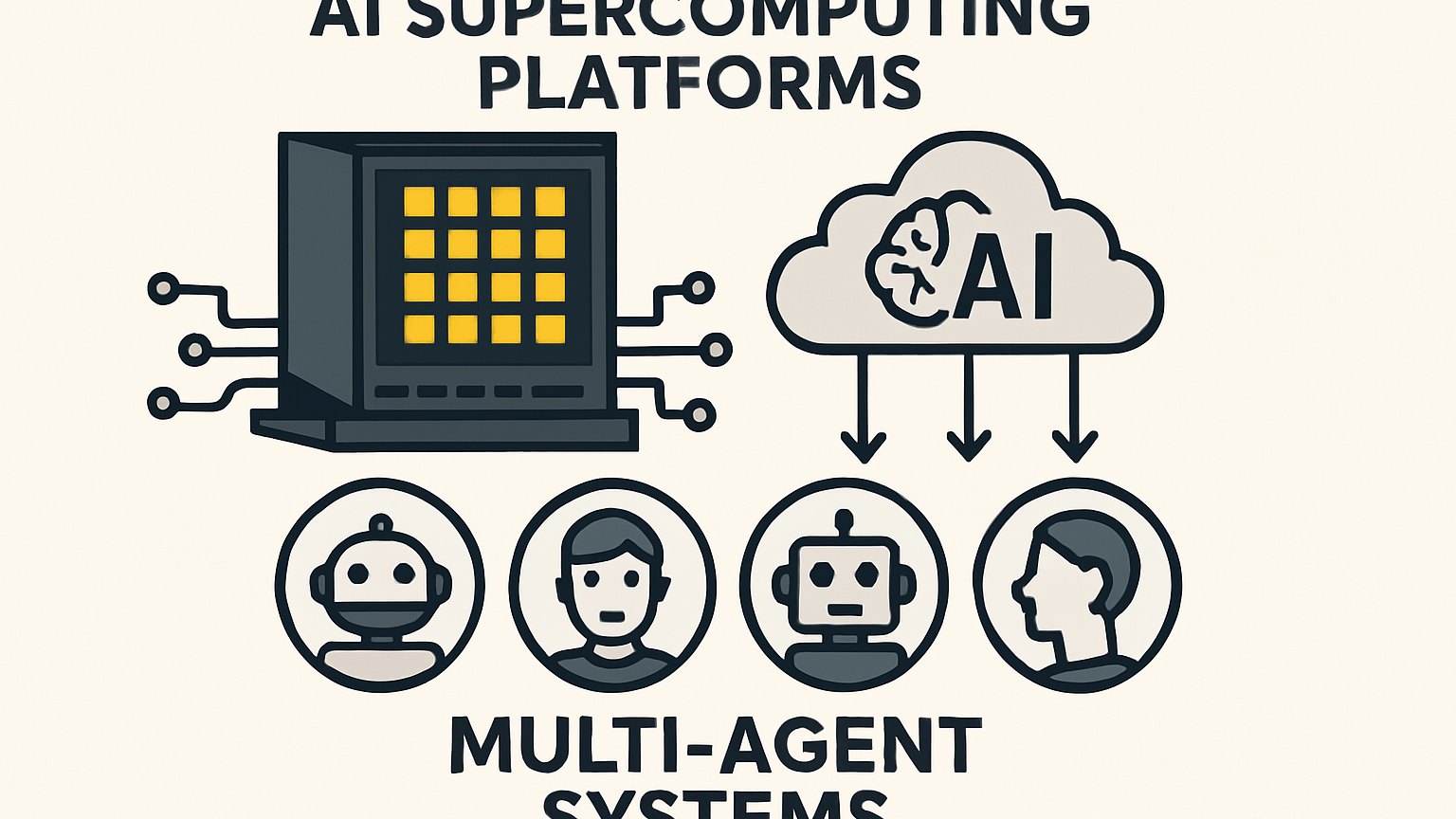
Gartner anticipates that AI supercomputing platforms will redefine how organizations approach computing needs, enabling immense computational power for tasks like data analysis and machine learning. AI supercomputers are engineered to handle massive datasets and sophisticated algorithms much faster than traditional computing setups.
The increasing complexity of algorithms and demand for faster processing will require businesses to rethink their infrastructure strategies. According to Gartner, organizations that leverage these platforms effectively can gain a competitive edge.
Importance to Organizations
Companies relying on extensive data analytics, such as those in finance, healthcare, and manufacturing, may find it imperative to adopt these supercomputing technologies. Failure to do so could result in operational inefficiencies and a loss of market relevance.
Multiagent Systems
Another trend highlighted in Gartner’s report is the rise of multiagent systems. These systems, which involve multiple AI agents performing tasks collaboratively, support decentralization. The interconnected behavior among agents allows them to solve problems more efficiently than single-agent systems, a crucial development for complex environments such as automated supply chains and smart cities.
Impacts and Challenges
While the potential benefits are considerable, multiagent systems also raise questions around governance. Issues such as accountability, decision-making, and ethical considerations need to be addressed as organizations adopt these technologies. Companies will need to balance innovation with ethical considerations to mitigate risks associated with AI decision-making processes.
Domain-Specific Language Models
Gartner’s report also sheds light on domain-specific language models, which can enhance understanding and processing in specialized fields like medicine, law, and engineering. Unlike general-purpose models, these tailored systems can lead to more accurate insights and better user interactions.
Implications for Various Industries
For example, in healthcare, a domain-specific language model could be trained on medical literature, enabling better diagnostics through improved natural language processing tools. Law firms could deploy similar models to parse through vast amounts of legal documents, expediting research and case preparation. The move towards such specialized models signifies a trend towards optimizing AI for specific applications rather than relying on generalist solutions.
The Need for Organizational Adaptation
The convergence of these trends signifies that organizations will face a landscape that is not just technologically advanced but also increasingly complex. Businesses must become proactive in adapting to these advancements to leverage their full potential.
Strategies for Adaptation
Strategies may include investing in staff training focused on AI technologies, restructuring teams to better integrate these systems, and fostering a culture that embraces change. Each of these elements will play a vital role in positioning organizations to benefit from the anticipated transformations.
Conclusion
The technology trends identified by Gartner for 2026 underscore a significant pivot towards advanced AI integrations across sectors. These developments are not merely technological but also bring ethical and operational challenges that organizations must navigate. As businesses prepare for this future, focusing on tailored AI solutions will be critical in maintaining competitiveness and fostering innovation in a rapidly evolving marketplace.
Organizations must keep abreast of developments, ensuring they are not left behind by the pace of change in this pivotal area.
For companies aiming to thrive in this new technological era, being informed and adaptable will undoubtedly be keys to success.