
Background of the Iris² Initiative
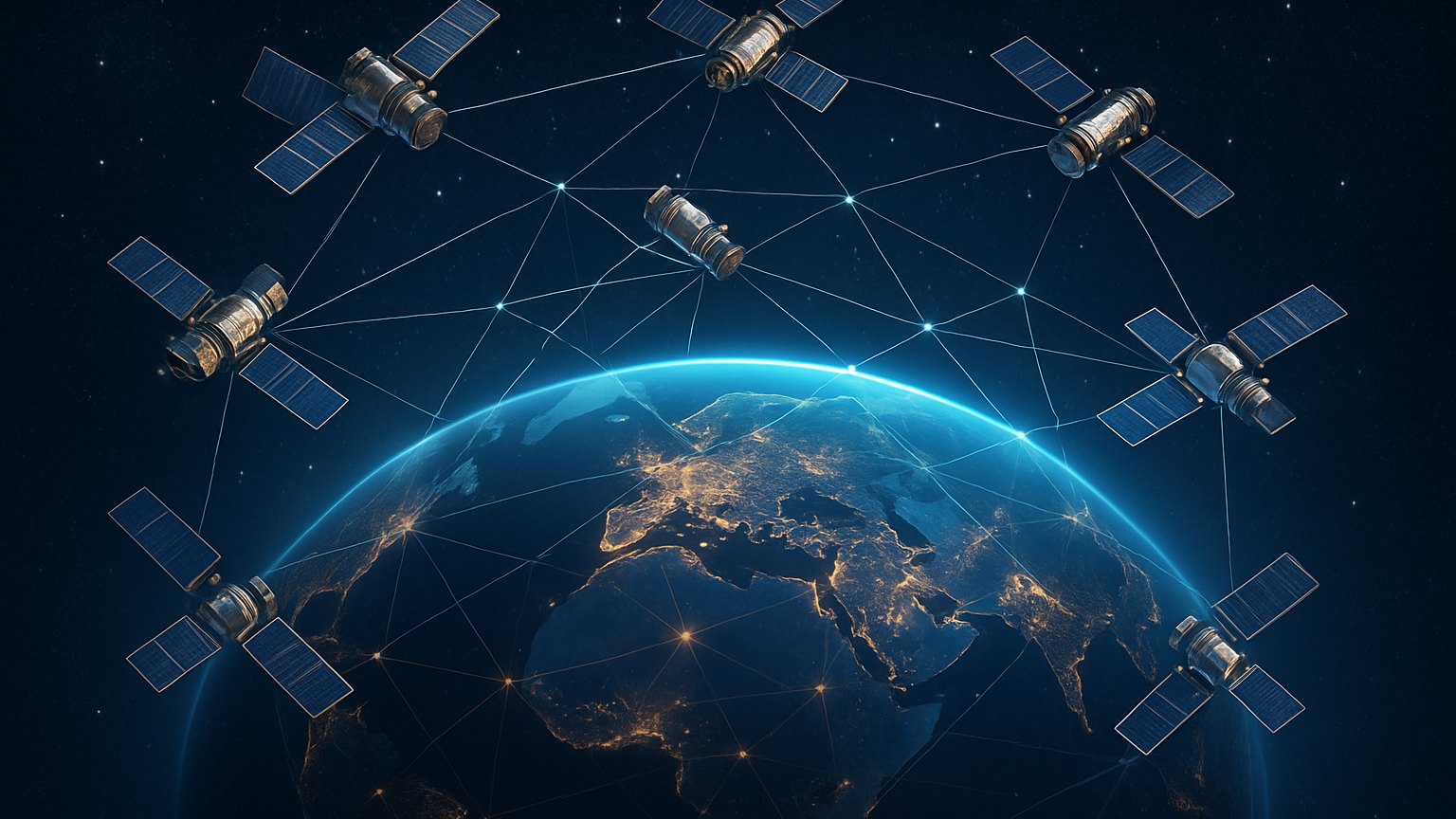
At the International Space Summit held in Paris recently, France, along with the European Union, announced a firm commitment to advance the Iris² satellite communications constellation. This initiative aims to bolster Europe’s capability to maintain autonomy in secure satellite communication, an aspect increasingly vital in today’s geopolitical landscape.
The Importance of Satellite Communications
In a world where digital transformation and real-time data exchange have become ubiquitous, satellite communications serve as the backbone of global connectivity. They facilitate crucial applications in various sectors, including defense, telecommunications, and emergency response. The development of a satellite constellation like Iris² will therefore not only strengthen Europe’s telecommunications infrastructure but also enhance its security posture.
Strategic Significance
Sovereign Control Over Communication
Europe has recognized the critical need for sovereign control over its communication systems. With global rivals investing heavily in their space programs, the Iris² constellation represents a strategic move towards mitigating risks associated with external dependencies. By ensuring secure communication channels, Europe can protect its sensitive information and maintain its technological edge.
Enhancing Security and Resilience
The ongoing conflicts in various global hotspots have spotlighted the vulnerabilities in satellite communications. The Iris² satellite constellation aims to provide a secure framework that can withstand cyber-attacks and other malicious activities. By investing in autonomous satellite technology, Europe seeks to create a resilient architecture that can adapt to changing security dynamics.
Confirmed Support and Investments
The European Union has earmarked significant funding for the Iris² project, aligning it with long-term ambitions for space autonomy. France has pledged its support, viewing Iris² as a vital step towards a more integrated and self-sufficient European space strategy. While specific figures have not been publicly disclosed, the continued political backing underlines the project’s high priority within the EU’s broader goals.
Technological Innovations
Expected Features of Iris²
The Iris² constellation is expected to incorporate cutting-edge technologies, including advanced encryption methods and enhanced data transmission capabilities. These features are essential for ensuring secure communication amongst member states, particularly in sensitive contexts like defense and disaster response.
Environmental Considerations
Furthermore, the development of Iris² takes into account environmental impact, aiming for sustainable practices in satellite construction and deployment. This aligns with the EU’s commitment to the European Green Deal, balancing technological advancement with ecological responsibility.
Challenges Ahead
Political and Technical Hurdles
While the initiative is promising, there are several challenges ahead. First, the geopolitical tensions surrounding space operations necessitate careful diplomacy among EU member states. Discussions around funding allocations and operational protocols may influence the project’s timeline.
Political consensus is vital, as varying priorities among EU nations could create delays. Additionally, the technical complexities involved in deploying and maintaining a satellite constellation present their own set of challenges. Ensuring seamless operation across a diverse array of advanced technologies will require robust project management and collaboration.
Competition in the Global Arena
The space race is not limited to satellites; numerous global competitors, including the United States and China, have deep investments in space systems. Countering such initiatives involves not only technological advancements but also forging international partnerships conducive to collaboration and shared goals.
Looking Forward
As Europe commits to the development of the Iris² satellite constellation, the focus will likely shift towards operationalizing this initiative. Scale implementation will involve multiple phases, including the design, construction, and eventual deployment of the satellites.
The potential for Iris² to act as a model for future European ventures in space technology cannot be understated. If successful, it could pave the way for enhanced cooperation across EU member states while promoting technological and economic growth.
Conclusion
The commitment to the Iris² satellite constellation is more than just a technological enhancement; it symbolizes Europe’s aspiration for sovereignty in a rapidly evolving global landscape. By securing its communications infrastructure, Europe is taking a significant step toward safeguarding its interests and ensuring future readiness. The watch will be on as this initiative unfolds, showcasing the delicate interplay between innovation, politics, and strategic foresight.