
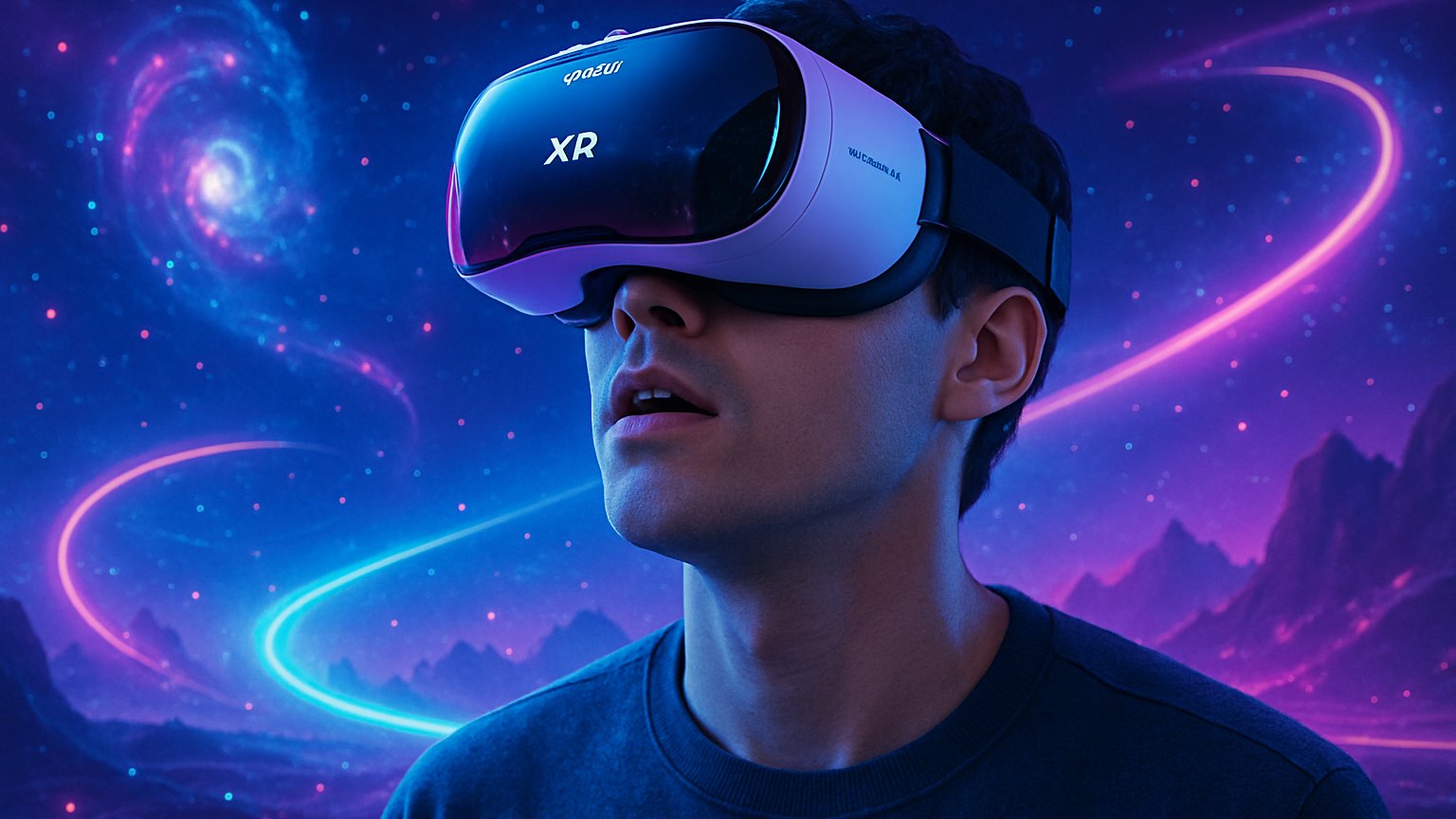
Introduction to the Galaxy XR Headset
Samsung's Galaxy XR headset is being positioned as a pivotal device in the realm of mixed reality (XR), representing the company's first foray into the Android XR ecosystem. This headset aims to blend the physical and virtual worlds seamlessly, promising an innovative approach to personal computing and mobile AI.
Key Features of the Galaxy XR Headset
Blending Physical and Virtual Realities
The Galaxy XR headset leverages advanced mixed reality technology to integrate digital elements with the user's real environment. This capability allows for experiences that transcend traditional VR and AR limitations. The headset is reported to incorporate high-resolution displays and sophisticated sensors that can map the user’s surroundings, facilitating interaction with both digital and physical objects in real-time.
Multimodal AI Integration
Another significant aspect of the Galaxy XR is its potential for multimodal AI integration. Early reports suggest that Samsung is focusing on AI-driven features that will enhance user interactions, such as voice recognition, gesture control, and object detection. This could enable users to control the headset and the applications running on it in an intuitive manner, providing a more immersive experience. However, specifics on which AI models or frameworks Samsung will utilize remain unconfirmed, leading to speculation about its implementation.
Enhanced Connectivity and Performance
Additionally, the Galaxy XR is expected to support high-speed connectivity, including the latest Wi-Fi and Bluetooth technologies, enabling smoother data transfer between devices and applications. The performance of the headset is anticipated to be bolstered by a combination of powerful hardware and optimized software, crucial for delivering an engaging XR experience. Rumors suggest that the headset may feature a dedicated chipset for XR applications, but this has yet to be verified.
Why the Development Matters
The introduction of the Galaxy XR headset is strategically significant for Samsung as it underscores the company’s commitment to innovating within the burgeoning field of XR technology. This movement aligns with a broader trend where tech companies are increasingly focusing on creating immersive technologies that could redefine work and play.
Competing in the XR Landscape
Samsung's entry into the XR market comes at a time when competitors like Meta, Microsoft, and Apple are also investing heavily in these technologies. By launching the Galaxy XR, Samsung could capture a share of the market pie that's rapidly evolving, especially with the anticipated growth of XR applications in gaming, education, and remote collaboration.
Implications for Personal Computing
Rethinking User Interfaces
The Galaxy XR headset's capacity to merge the real and digital worlds suggests profound implications for personal computing. Traditional interfaces—such as keyboards and mice—may become obsolete as users adopt spatial computing paradigms. Instead, they might navigate software and applications using gestures and voice commands. This shift could lead to increased productivity and a more engaging user experience.
Mobile AI Evolution
Samsung's focus on integrating AI into the XR experience highlights a critical step towards the evolution of mobile AI. With AI capabilities embedded directly within the headset, tasks such as image recognition, contextual assistance, and predictive analytics could become standard features. This would not only enhance the utility of the device but may also set a precedent for future mobile devices to follow suit, solidifying AI as a core component of personal technology.
Challenges and Uncertainties
While the prospects of the Galaxy XR headset are exciting, there are several unresolved questions and challenges that remain:
- Market Readiness: Will consumers adopt XR technology at a measurable scale?
- Technical Feasibility: Can Samsung deliver on the promises of AI integration and seamless physical-digital blending?
- Privacy and Safety: With increased data collection and interaction, how will Samsung address potential privacy concerns?
These factors could shape the public's perception and acceptance of the Galaxy XR. Moreover, Samsung’s ability to effectively market the device and differentiate it from existing options will be critical in determining its success.
Conclusion
Samsung's Galaxy XR headset is positioned at the frontier of mixed reality technology, promising innovative features that could transform how users engage with the digital world. While it heralds exciting potential for personal computing and mobile AI, several uncertainties remain that could impact its success. The tech community will be watching closely as Samsung continues to unveil details about this transformative device, potentially redefining the landscape of XR technology.