
The Rise of Data Center Proposals
In recent years, the demand for data centers has skyrocketed, fueled by the increasing need for cloud services and digital infrastructure. In Q2 2026 alone, proposals valued at around $68 billion were presented across various U.S. locations, highlighting the insatiable appetite for data processing capacity. However, this surge has been met with a notable backlash from communities that are voicing considerable concerns about the environmental and resource implications of such developments.
The Scale of Opposition
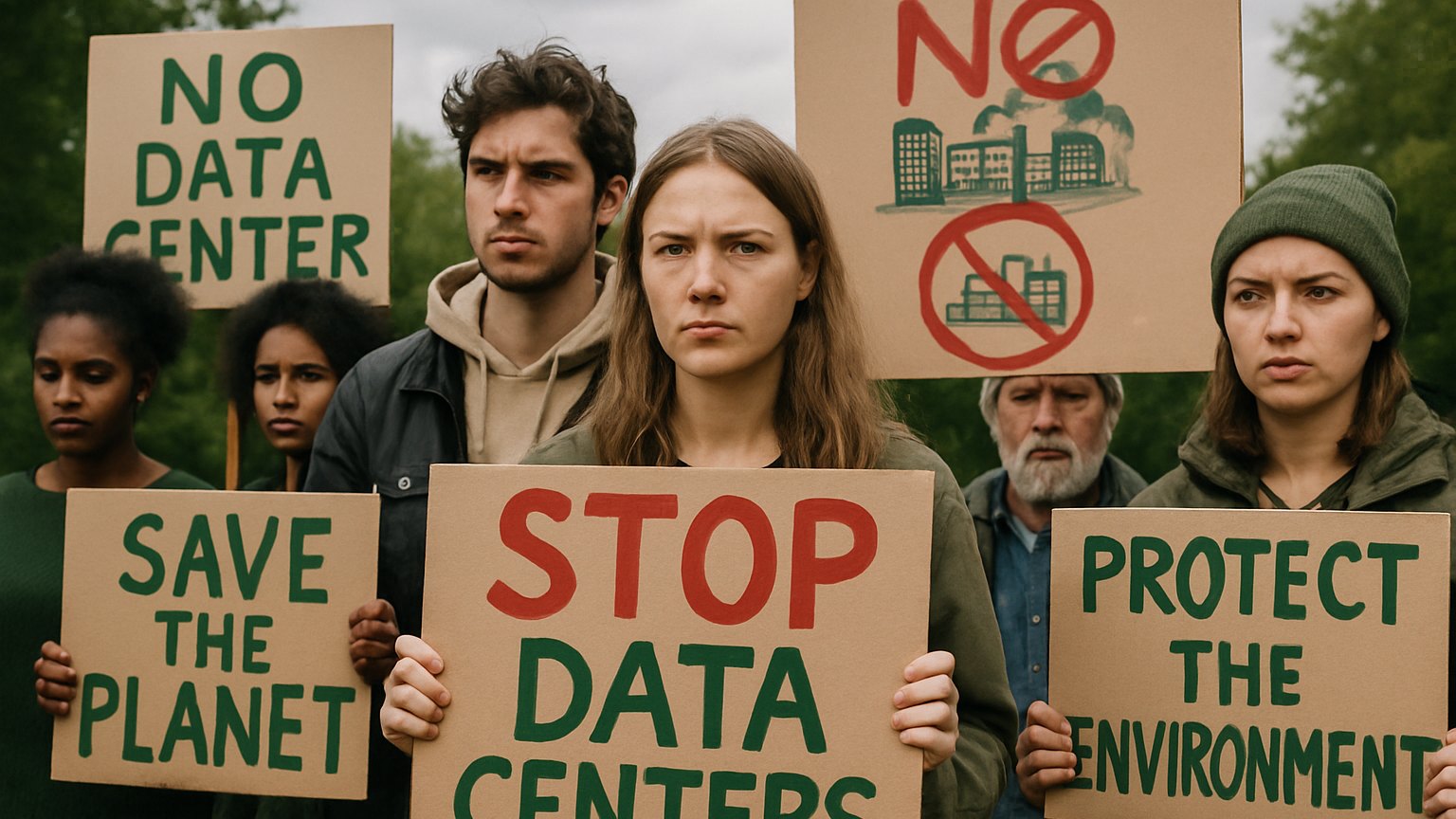
Local opposition has emerged in several regions where data centers are being proposed. Communities across states like Virginia, Texas, and California have raised alarms over issues like water usage, energy consumption, and the potential for adverse environmental impacts.
In Virginia, for example, groups have expressed fears that the burgeoning data center industry could further strain the already overloaded power grid. As reported by The Washington Post, Virginia's data center footprint has doubled in recent years, prompting local governments and residents to question the sustainability of continuing this trajectory.
Similarly, in Texas, where deregulated energy markets have led to volatile electricity prices, residents are concerned that new data centers will exacerbate challenges in energy supply, particularly during peak demand periods. Critics have pointed out that data centers consume vast amounts of energy — roughly 1% of the global electricity consumption can be attributed to data centers, as noted by reports from the International Energy Agency.
Environmental Concerns and Resource Usage
One of the most compelling facets of the opposition relates to the environmental footprint of data centers. The construction and operation of these facilities often require substantial amounts of water for cooling systems, leading to concerns that they might deplete local water supplies. In areas already facing drought conditions, like parts of California and Texas, this has become a particularly heated issue.
Environmental groups argue that the energy-intensive nature of data centers not only contributes to greenhouse gas emissions but also creates larger ecological concerns. According to a report by Greenpeace, the data center industry is at a crossroads where its growth could either accelerate climate change or be guided towards more sustainable practices. These groups advocate for stricter regulations and accountability measures to ensure that data centers are aligned with local resource capabilities.
Community Pushback and Policy Implications
In response to the mounting concerns, some jurisdictions are taking tangible steps towards re-evaluating data center proposals. Local governments are beginning to implement stricter zoning laws and environmental review processes that could slow down or even halt new developments. A notable instance is the recent moratorium on data centers imposed by Loudoun County, Virginia, which has put a freeze on further construction in a region already saturated with facilities.
Residents and activist groups are becoming more organized, utilizing social media platforms to spread awareness, mobilize opposition, and advocate for alternative solutions. Many community leaders argue that investment should instead be focused on renewable energy projects, which would create sustainable jobs without compromising local ecosystems.
The Future of Data Centers in the U.S.
While the pushback against data centers may appear to indicate a stagnation in this segment of the tech industry, it's also creating an opportunity for innovation in how these facilities are constructed and operated. Many stakeholders are discussing the integration of renewable energy sources, such as wind and solar power, into data center operations to mitigate their environmental impact.
Technological advancements in cooling solutions are also being explored, such as liquid cooling technologies that could reduce water consumption and energy usage. Several companies are already committing to reach net-zero emissions regarding their data centers, as outlined in initiatives from industry giants like Microsoft and Amazon Web Services.
Conclusion: Balancing Development and Community Needs
The opposition to data centers is multifaceted, highlighting critical concerns about environmental sustainability, energy consumption, and local resource management. As the industry evolves amidst mounting scrutiny, the challenge will be to find a balance that allows for technological advancement while respecting community needs and environmental integrity.
The discussions surrounding data center development illustrate a broader societal debate over land use, resource allocation, and the future of energy consumption in an increasingly digital world. As more local governments and communities engage in these conversations, the outcomes could reshape not only the future of data centers but also set precedents for how technology interacts with our society at large.