
Introduction to Apple’s New Era
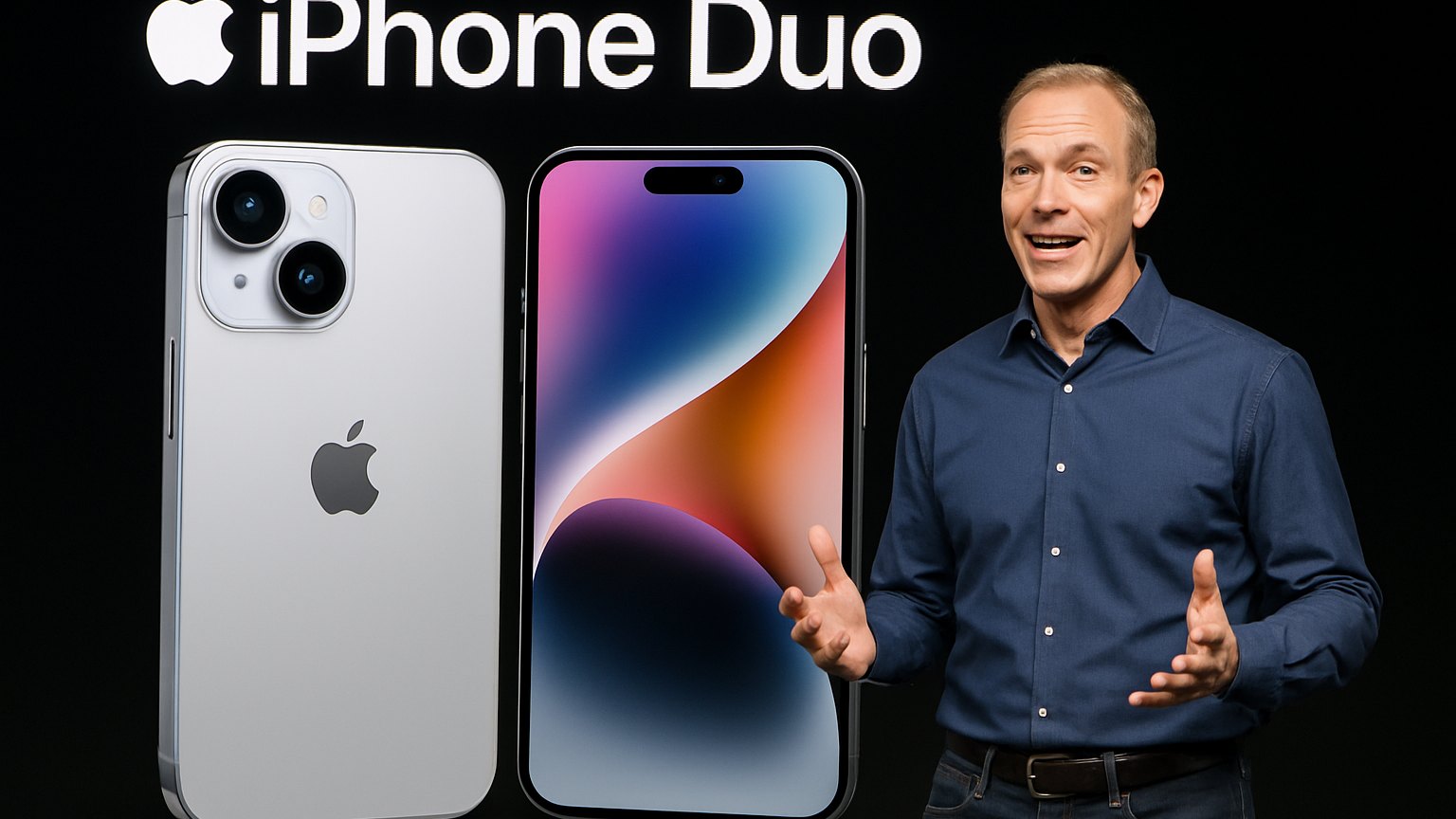
In a recent product launch event, Apple showcased the iPhone Duo, a device that aims to blend innovative technology with user-oriented design. This event marked not just the unveiling of a new product but also served as a stage for the company's new CEO, John Ternus, to affirm Apple’s commitment to leading the tech industry through innovation. Ternus's leadership succeeds Tim Cook, who had a significant impact on Apple's growth and strategy.
The iPhone Duo: Features and Highlights
The iPhone Duo features advancements in camera technology, enhanced battery life, and integration with Apple's ecosystem, including the latest iOS updates. Apple claims that the new camera capabilities allow for professional-grade photography with features such as computational photography that optimizes images in real-time.
Another key highlight of the iPhone Duo is its improved durability, with the body constructed from aerospace-grade materials and advanced water resistance. While these claims by Apple are confirmed, early reviews are still forthcoming, and it remains to be seen how these features perform in everyday use.
Ternus's Vision for Innovation
During his presentation, Ternus defended Apple's historical position as a leader in innovation, asserting that the company continues to prioritize user experience and quality. He emphasized that each product is designed not just with technology in mind but with the end-user experience at its core.
Ternus’s remarks come in response to criticism that Apple has become more iterative than innovative, especially in recent years where rival firms have introduced new technologies rapidly. The skepticism swirling around Apple’s innovation capacity is not unfounded; however, Ternus argues that true innovation lies in enhancing user satisfaction rather than simply introducing new features.
Navigating Challenges Ahead
Despite Ternus's optimism, Apple faces several significant challenges in maintaining its status as an industry innovator:
-
Increased Competition: Rivals like Google, Samsung, and emerging brands are introducing advanced technologies at a rapid pace. These competitors often utilize aggressive pricing strategies and marketing, compelling Apple to reconsider its business approach.
-
Regulatory Scrutiny: Apple is also contending with regulatory pressures across various regions, which may impact its operational strategies and market practices. For instance, concerns related to privacy and antitrust could force Apple to alter how it develops and markets products.
-
Market Saturation: As smartphone technology matures, the market for new devices is becoming increasingly saturated. This makes it more challenging for Apple to entice customers to upgrade consistently, leading to potential revenue challenges in the future.
Opportunities in the Landscape
Despite these challenges, Ternus and Apple are presented with several opportunities:
-
Emerging Technologies: Innovations in areas such as artificial intelligence (AI), augmented reality (AR), and health technology present untapped potential for Apple. The company's robust financial position allows for continued investment in these emerging fields, which could redefine user experiences in the years ahead.
-
Sustainability Focus: There’s a growing emphasis on environmentally friendly technology, providing Apple with a chance to lead in sustainability initiatives. Ternus has indicated a commitment to making Apple products more sustainable, which resonates well with today’s environmentally conscious consumers.
-
Expansion of Services: Apple has been steadily expanding its services portfolio, which includes Apple Music, Apple TV+, and Apple Fitness+. This diversification allows the company to generate recurring revenue and solidifies its ecosystem, encouraging continued customer loyalty.
Conclusion: Balancing Innovation and Consumer Needs
As Apple continues under Ternus's leadership, the company finds itself at a pivotal crossroads. The iPhone Duo is poised to showcase innovation, but the real test lies in the broader strategy to maintain relevance in an ever-evolving tech landscape. Ternus’s defense of Apple's historical innovation needs to be matched by tangible advancements that resonate with consumers.
While the road ahead includes significant challenges—from competitive pressures to regulatory hurdles—opportunities abound in new technologies and sustainable practices. Ultimately, Apple’s ability to balance innovation with consumer expectations will be crucial for its legacy as a tech leader.