
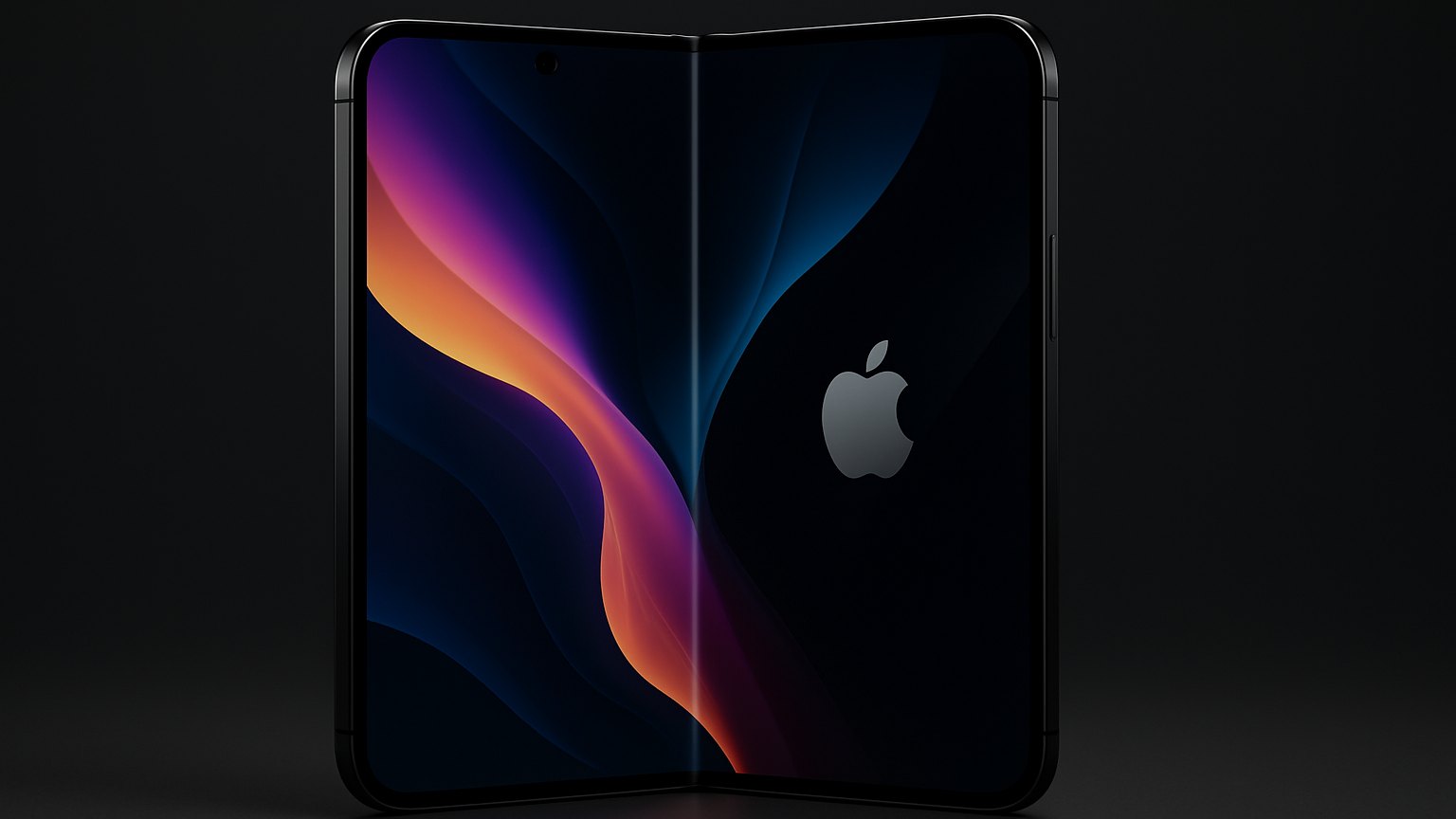
Apple's Strategic Move into Foldable Phones
As technology continues to evolve, Apple is preparing to make its mark in the foldable smartphone market. With rumors and leaks indicating that the tech giant is set to unveil its first foldable iPhone within the next year or two, this development is poised to have significant implications for both Apple and the broader industry.
The Foldable Smartphone Landscape
Foldable smartphones have gained traction over the past few years, with companies like Samsung and Huawei leading the charge. These devices present unique opportunities for innovation, blending the portability of smartphones with the functionality of tablets. Samsung's Galaxy Z Fold series and Huawei's Mate X have demonstrated consumer demand for devices that offer larger displays without compromising pocketability.
Apple’s entry into this market could redefine the competitive landscape, as brand loyalty combined with novel technology often results in heightened consumer interest. Historically, Apple has transformed entire market segments with its product releases, making this upcoming foldable iPhone an eagerly anticipated addition to its lineup.
Confirmed Features vs. Speculative Claims
While specifics about Apple's foldable smartphone are still thin, several reports have suggested features and potential design elements.
Some confirmed features include:
- Larger Display: The potential for a screen that expands when unfolded, providing more screen real estate for multitasking and media consumption.
- Integration with iOS: Likely optimization of iOS to leverage the unique capabilities of foldable displays, enhancing user experience.
On the other hand, speculative claims such as a radically new user interface or a completely new form factor lack concrete evidence. As with any forthcoming Apple product, we’ll have to wait for official announcements for clarity.
Addressing Durability and User Experience
One of the primary concerns surrounding foldable phones has been durability. Early iterations from other manufacturers have faced challenges, such as screen creasing and hinge issues. For Apple, which prides itself on delivering high-quality, reliable products, these concerns will be critical to address in its design and engineering phase.
Reports indicate that Apple is investing heavily in research to develop more robust folding mechanisms and display technologies. Innovations such as ultra-thin glass and advanced polymer materials may be pivotal in creating a device that meets Apple’s durability standards while offering a seamless user experience. Additionally, Apple may need to enhance its service and support offerings to address potential concerns about wear and tear.
Impact on Apple's Product Lineup
The introduction of a foldable iPhone could signify a significant shift in Apple’s product strategy. Currently, Apple’s product family is well-defined—iPhones, iPads, and MacBooks fill diverse consumer needs. By introducing a foldable device, Apple could be looking to blur these lines, providing a hybrid experience that appeals to both phone and tablet users.
This product could also open the door for new accessories and software features tailored to the foldable format. For instance, productivity-oriented apps, media consumption tools, or even gaming experiences could capitalize on the larger display.
The Competitive Edge
While competitors have a head start in the foldable smartphone market, Apple’s entry could reinvigorate the segment. The company has a proven historical ability to position its products strongly against competitors. Apple's rigorous focus on user experience, privacy, and seamless integration within its ecosystem may give it an edge in attracting new customers.
Furthermore, the marketing prowess of Apple cannot be understated. With an effective launch strategy, the company could generate tremendous buzz around its foldable iPhone, capturing consumer attention and interest rapidly.
Consumer Adoption and Market Dynamics
The success of Apple’s foldable iPhone will largely depend on consumer adoption. The initial reception of foldable devices has shown mixed results; while many tech enthusiasts have embraced them, the average consumer may still be hesitant due to pricing and perceived practical value. To encourage adoption, Apple may need to ensure its foldable iPhone is not prohibitively expensive while demonstrating clear advantages over traditional smartphones.
Pricing strategies and financing options may play a crucial role in their approach, especially considering that foldable devices generally come at a premium. Apple has historically navigated similar challenges with other high-priced devices, often opting for compelling trade-in programs and financing solutions.
Conclusion: A Leap into the Future
Apple's impending foray into foldable smartphones marks a pivotal moment for the company and the industry. If successful, it could not only reshape Apple's product lineup but also influence how consumers perceive and interact with their devices. With the necessary technological advancements still to be unveiled, the tech world eagerly awaits what Apple has planned. As the foldable smartphone market continues to develop, Apple’s innovations may just set new benchmarks for both functionality and design.
Tags
- Foldable smartphones
- Apple
- iPhone
- Technology
- Consumer Electronics
Meta Description
Apple is set to unveil its first foldable iPhone, a major shift in the smartphone market that could reshape Apple's product lineup and the competitive landscape.