
Apple’s Latest Product Launch Cycle
In October 2026, Apple is continuing its momentum with an ambitious schedule of product launches, featuring two major events that will unveil several new devices aimed at enhancing its competitive edge in the tech market. The initial event is set for October 13, focusing on home devices, while a second event later in the month will showcase updates to its computing lineup.
New Smart Home Devices
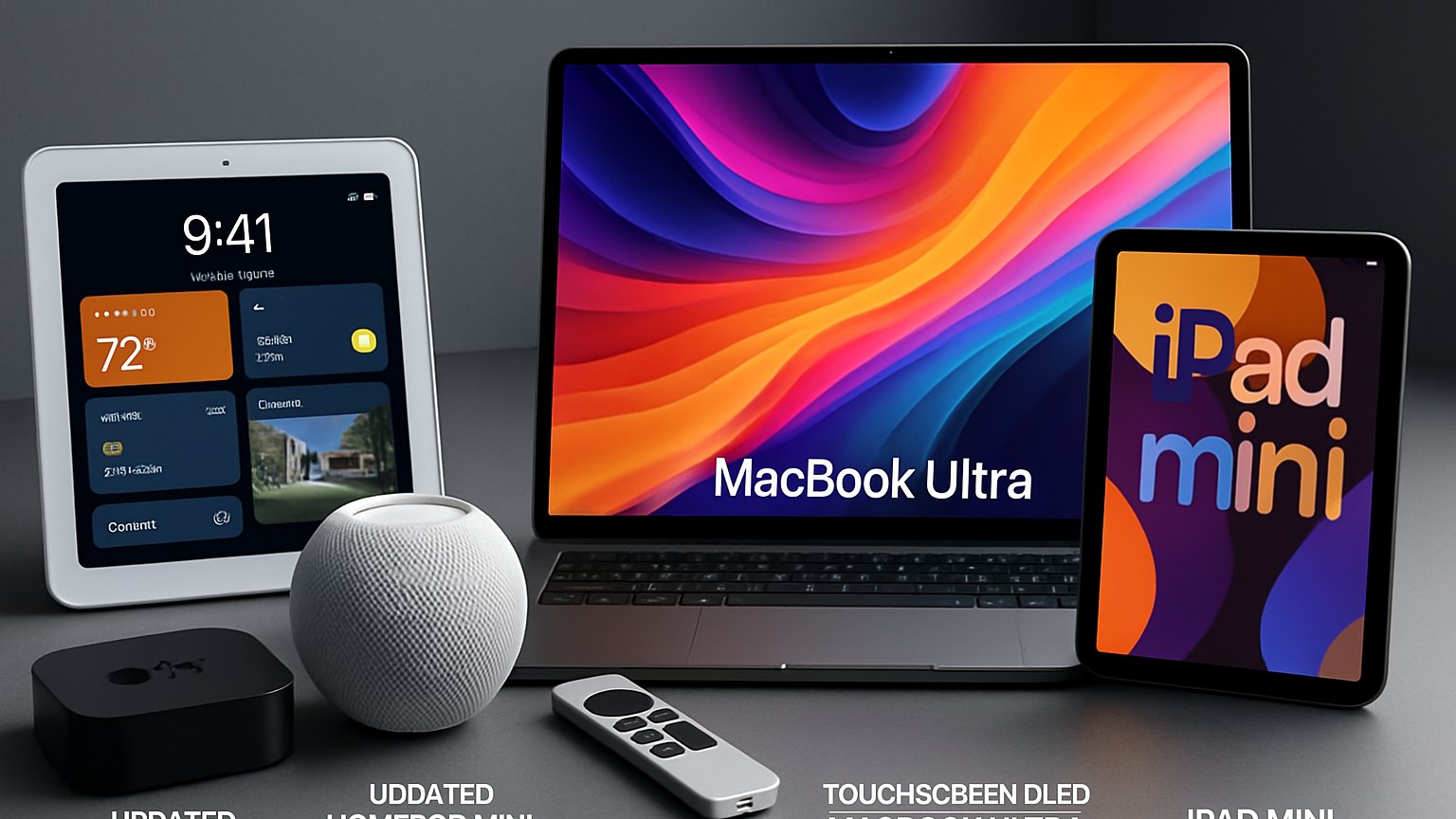
The first event promises significant developments in Apple's smart home offerings. Among the highly anticipated products is a new display-equipped device designed to compete directly with Amazon's Echo Show. This device is expected to incorporate advanced Siri AI, enhancing its usability and providing seamless interactions for users looking to manage their smart homes.
Furthermore, Apple plans to unveil an updated version of the HomePod mini, bolstering its position in the audio space while integrating further with smart home features. The refreshed Apple TV 4K will also be on the agenda, likely featuring enhanced streaming capabilities and better integration with other Apple services.
The importance of these launches cannot be overstated. Traditionally, Apple has lagged behind competitors like Amazon and Google in the smart home arena. However, it appears that with advancements in Matter, a connectivity standard for smart devices, Apple is arming itself to create a more cohesive smart home ecosystem, capable of seamlessly integrating with various platforms.
This strategic move not only helps Apple fortify its market position but also appeals to consumers looking for straightforward, interoperable smart home solutions.
Computing Devices on the Horizon
Later in October, Apple’s second event will pivot to computing devices, where attention will be on the long-awaited touchscreen OLED MacBook Ultra and a new iPad mini. These product announcements are particularly compelling following the recent launch of the iPhone Duo and iPhone 18 Pro, which have already captured consumer interest.
The MacBook Ultra is expected to push the boundaries of what laptops can offer, particularly with the addition of a touchscreen OLED display. This feature could revolutionize the user experience, especially for creative professionals and students alike. Additionally, the new iPad mini aims to cater to users seeking portability without sacrificing power, potentially offering an improved processor and enhanced graphics capabilities.
Apple’s foray into touchscreen laptops could signal a significant shift in design philosophy. Unlike traditional MacBooks, this may align Apple’s approach more closely with that of its competitors like Microsoft and their Surface lineup, which have successfully integrated touch capabilities into their devices.
Context of Recent Leadership Changes
It's worth noting that these launches coincide with John Ternus’ recent elevation to CEO. While these product lines were likely in development long before his appointment, there is speculation that Ternus will emphasize innovation and integration across Apple's ecosystem, aligning with current trends in consumer demand.
Price and Availability Concerns
As Apple rolls out these new products, potential supply chain challenges may pose risks to pricing and availability, especially for the MacBook Ultra and iPad mini. Industry analysts have pointed out that global supply chain disruptions, particularly those related to semiconductor shortages, could affect Apple's ability to meet initial demand. Any disruptions in production could lead to delays in product availability or increased pricing strategies as Apple navigates these challenges.
Looking Ahead
Apple's strategic focus on both enhancing its smart home lineup and revitalizing its computing devices underscores its commitment to innovation and market leadership. By entering more competitive product categories, Apple is not only responding to current market trends but also striving to set new standards for user experience in both home and professional environments.
These forthcoming events are critical as Apple positions itself to remain relevant in an increasingly competitive tech landscape. The interplay between product enhancements and strategic leadership will determine how successful these launches will be, especially as consumers scrutinize both functionality and value in a tech market flooded with options.