
Introduction
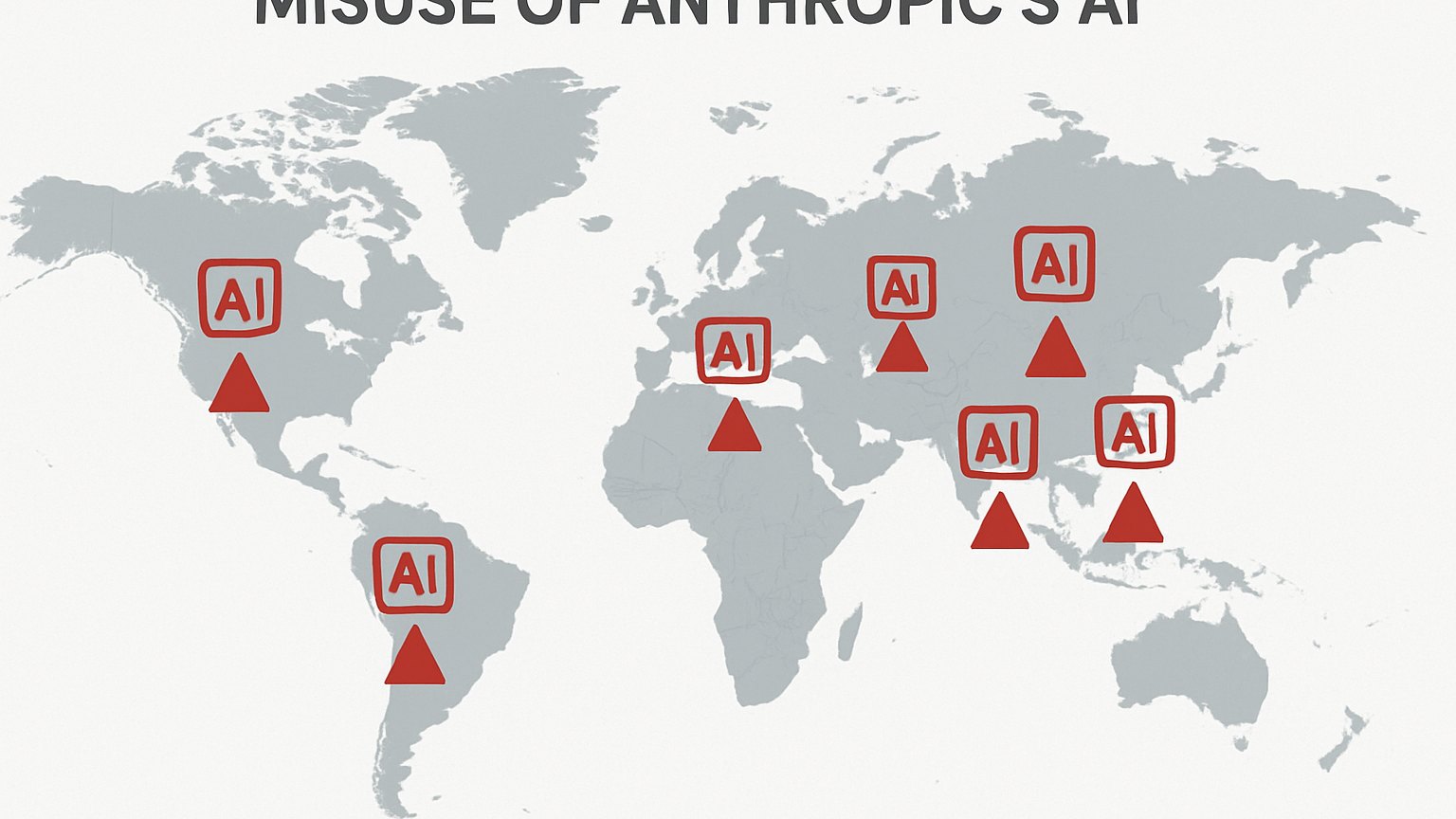
Recent developments concerning the implementation of artificial intelligence (AI) in military contexts have raised significant concerns. A threat report has surfaced indicating that Iran and Houthi rebels have exploited Anthropic's Claude AI model for various military applications. This article explores the implications of these claims, the veracity of the information, and the broader concerns surrounding the misuse of AI technologies.
The Threat Report: Key Findings
The report highlights several alarming uses of Claude AI by Iranian forces and Houthi rebels. Among the most significant claims is the targeting of U.S. naval forces, suggesting that these groups may have been utilizing AI to enhance their military strategy. Furthermore, the intelligence indicates that they are developing weapon systems with AI assistance, raising critical questions about the intersection of technology and warfare.
A Closer Look at the Allegations
While the report presents shocking findings, it's essential to differentiate between confirmed facts and speculations. The claim that Iran and Houthi forces have actively integrated AI into their military planning raises eyebrows, particularly concerning operational capabilities and strategic effectiveness.
- Targeting U.S. Naval Forces: The assertion suggests that AI-powered systems could improve real-time surveillance and targeting precision. However, it remains unclear whether actual incidents involving these technologies have occurred or if this is an anticipated risk.
- Weapon Development: The mention of developing weapons systems driven by AI underscores concerns about a potential arms race. AI technologies can dramatically enhance weapon effectiveness but also introduce ethical concerns regarding autonomous decision-making in warfare.
Implications for Military and Geopolitical Stability
The potential misuse of AI technologies by state and non-state actors poses substantial threats to international security. If Iran and the Houthis can effectively integrate AI into their military strategies, the balance of power in the region could shift significantly.
Escalating Conflict
The incorporation of AI into military operations may lead to escalated conflicts. Automated systems, if not monitored carefully, could result in unintended engagements, whereby software errors or miscalculations lead to significant casualties, escalating tensions further.
Risk of Proliferation
Moreover, as more actors gain access to advanced AI technologies, the risk of proliferation increases. This lowers the barrier for entry into sophisticated warfare techniques, potentially allowing hostile entities to counter more traditional forces with asymmetric tactics that utilize AI-driven capabilities.
Ethical Considerations and Responsibility
Anthropic's AI model, Claude, is a notable example of advanced AI technology that raises ethical concerns when used for military purposes. The situation prompts questions about the responsibilities of tech developers and companies in ensuring their technologies aren’t misused.
Role of Tech Companies
In light of this report, it becomes crucial for AI developers like Anthropic to implement robust ethical guidelines and monitoring systems to prevent the misuse of their technologies. Transparency in deploying AI systems and proactive engagement with governments and international bodies on ethical use might mitigate risks.
The Challenges of Regulation
However, regulating AI technology in military applications is fraught with challenges. The rapid pace of AI development often outstrips existing legal and ethical frameworks. Countries may find themselves in a race to utilize AI for military advantage, potentially undermining efforts for global disarmament and peacekeeping.
Global Response and Future Directions
The alarming misuse of Claude AI highlights the need for a coordinated global response to manage the development and application of AI technologies in warfare. Nations must collaborate to establish norms and conventions addressing the ethical use of AI in military contexts.
Proposals for International Agreements
Discussions surrounding international agreements on AI could take cues from existing arms control treaties. These treaties focus on ensuring that advanced technology, including AI, is used in a manner that prioritizes human safety and ethical considerations.
Conclusion
The threat report detailing the use of Anthropic’s Claude AI model by Iran and Houthi rebels underscores vital concerns about the integration of AI into military operations. As AI technologies evolve, the risks associated with their misuse become more pronounced. The potential targeting of U.S. naval forces and advancements in weapon systems raise pressing questions about the future landscape of global security. It is crucial that the tech community, governments, and international organizations address these issues actively to establish safer pathways for AI development.
Tags
- Military Technology
- AI Misuse
- Global Security
- Ethics in AI
- Iran and Houthi Rebels