
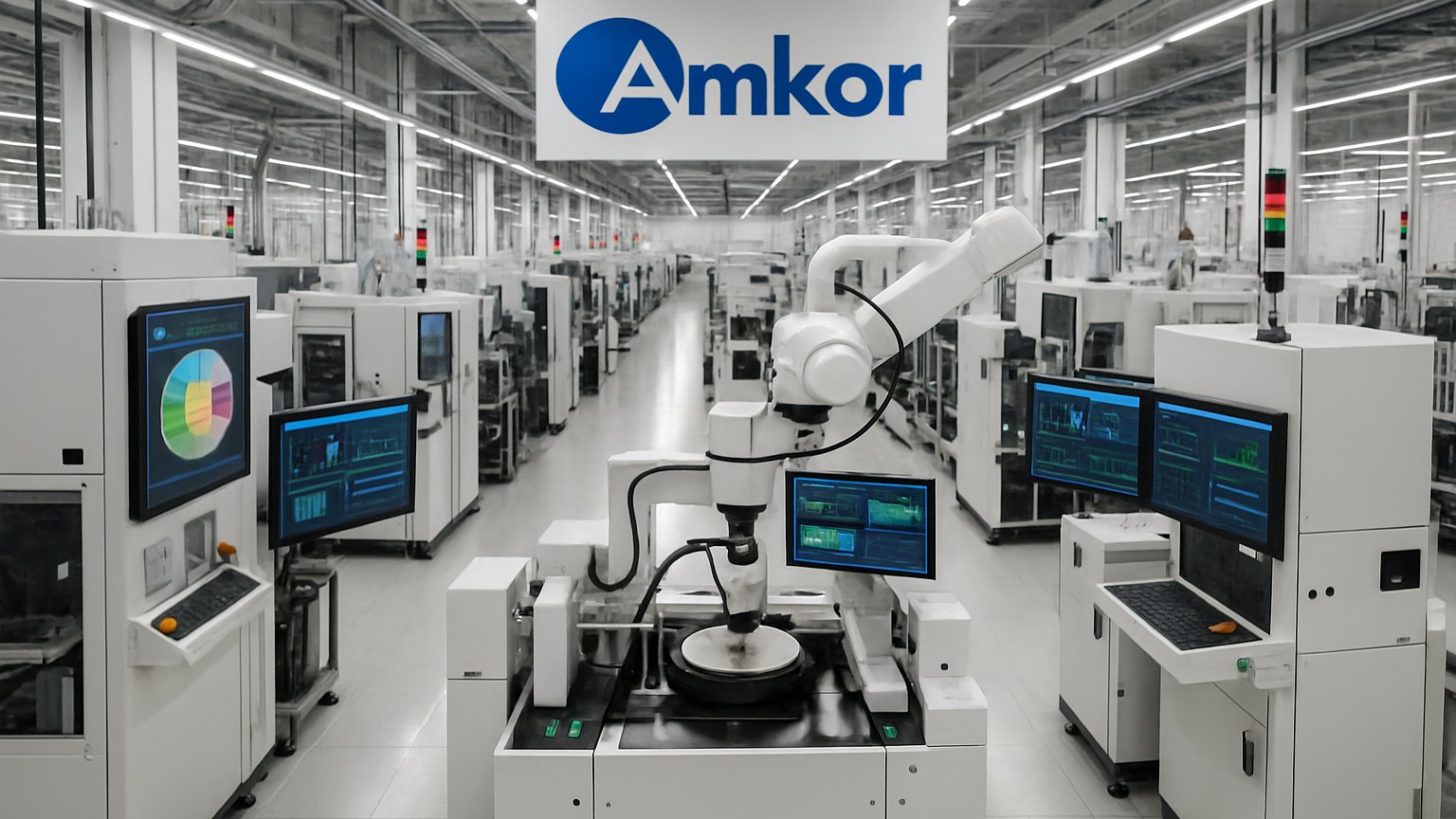
Introduction to Amkor's Expansion
Amkor Technology, a leading provider of semiconductor packaging and test services, has recently announced a monumental investment plan amounting to $12 billion aimed at expanding its facilities in Arizona. This expansion is notably motivated by the burgeoning demand from artificial intelligence (AI) and computing sectors. As businesses and consumers increasingly rely on these technologies, Amkor's growth strategy reflects a broader trend in the semiconductor industry.
The Demand for AI and Its Impact on the Semiconductor Industry
The rise of AI technologies has created a significant demand for semiconductors, which are essential for powering complex computational tasks and data processing. AI applications, ranging from machine learning algorithms to advanced data analytics, rely heavily on specialized chips. As a result, companies like Amkor are experiencing a surging demand for their existing and upcoming packaging technologies that cater to these needs.
According to industry analysis, semiconductor revenue has projected a consistent upward trajectory. This growth is not merely anecdotal; research shows that the global semiconductor market is expected to reach a valuation of over $1 trillion by 2030. AI's role in this expansion cannot be understated, as it fuels both innovation and sales within this vital industry.
Details of the Investment
Amkor's investment plan is specifically focused on enhancing its manufacturing capabilities in Arizona, which is poised to become a vital hub for semiconductor production. The planned facilities will incorporate advanced technologies aimed at improving efficiency and production output. While specific details regarding the new facilities have not yet been disclosed, Amkor has confirmed that the investment will involve state-of-the-art manufacturing processes designed to meet the increasing demand from tech sectors, particularly AI.
Job Creation and Economic Impact
The $12 billion investment is not just about expanding Amkor’s manufacturing footprint; it also signifies a considerable boost to the local economy. The expansion is expected to create thousands of jobs in various capacities, from manufacturing to engineering and administrative positions. Economic analysts suggest that the ripple effects of such an investment could extend beyond just Amkor, benefiting surrounding businesses and service providers in Arizona, as more jobs typically lead to increased local spending.
Importance of Semiconductor Packaging
Semiconductor packaging is a crucial aspect of the semiconductor supply chain. It not only protects chips but also aids in their integration into larger systems, affecting performance and thermal management. Advanced packaging techniques are particularly significant for AI applications due to the necessity for enhanced efficiency and compact design.
Amkor's expansion reflects a growing recognition of the importance of packaging solutions for specialized applications. As AI systems require faster processing and higher data throughput, innovations in packaging technologies become essential, and Amkor aims to be at the forefront of these advancements.
Competitive Landscape
Amkor’s substantial investment also positions it as a critical player in an increasingly competitive landscape. Companies like TSMC, Intel, and Samsung are also ramping up their investments to enhance their semiconductor production. The race to dominate the semiconductor space, especially concerning AI and computing technologies, means that companies must not only innovate but also expand capacity quickly to meet customer demands.
Amkor's approach highlights a strategy of aggressive growth to secure market share in a sector that is likely to see escalating competition as AI technologies continue to evolve.
Potential Challenges Ahead
While the investment is promising, several challenges could affect Amkor's expansion. The semiconductor industry has been grappling with supply chain disruptions, particularly in the wake of the COVID-19 pandemic. Delivering on the commitments made regarding timely production ramp-ups could pose hurdles. Moreover, the fast-changing landscape of technology means that investment in today’s capabilities must anticipate tomorrow’s needs, adding an element of risk to any expansion strategy.
Regulatory and Market Risks
Additionally, regulatory challenges and market fluctuations present further uncertainty. As nations around the world increase their focus on semiconductor self-sufficiency, tariffs and trade regulations could impact production costs and operational dynamics. Amkor’s management will need to navigate these waters carefully to ensure the success of their new facilities.
Conclusion
Amkor's $12 billion investment in its Arizona expansion underscores the vital role that artificial intelligence is playing in shaping the semiconductor industry. This move not only aims at satisfying the growing demand for advanced packaging and testing services but also signifies potential economic benefits through job creation and local spending. As the landscape of technology continues to evolve, the implications of this expansion will likely be watched closely by various stakeholders, from investors to policymakers, as Amkor endeavors to establish itself as a leader in this critical sector of the economy.