
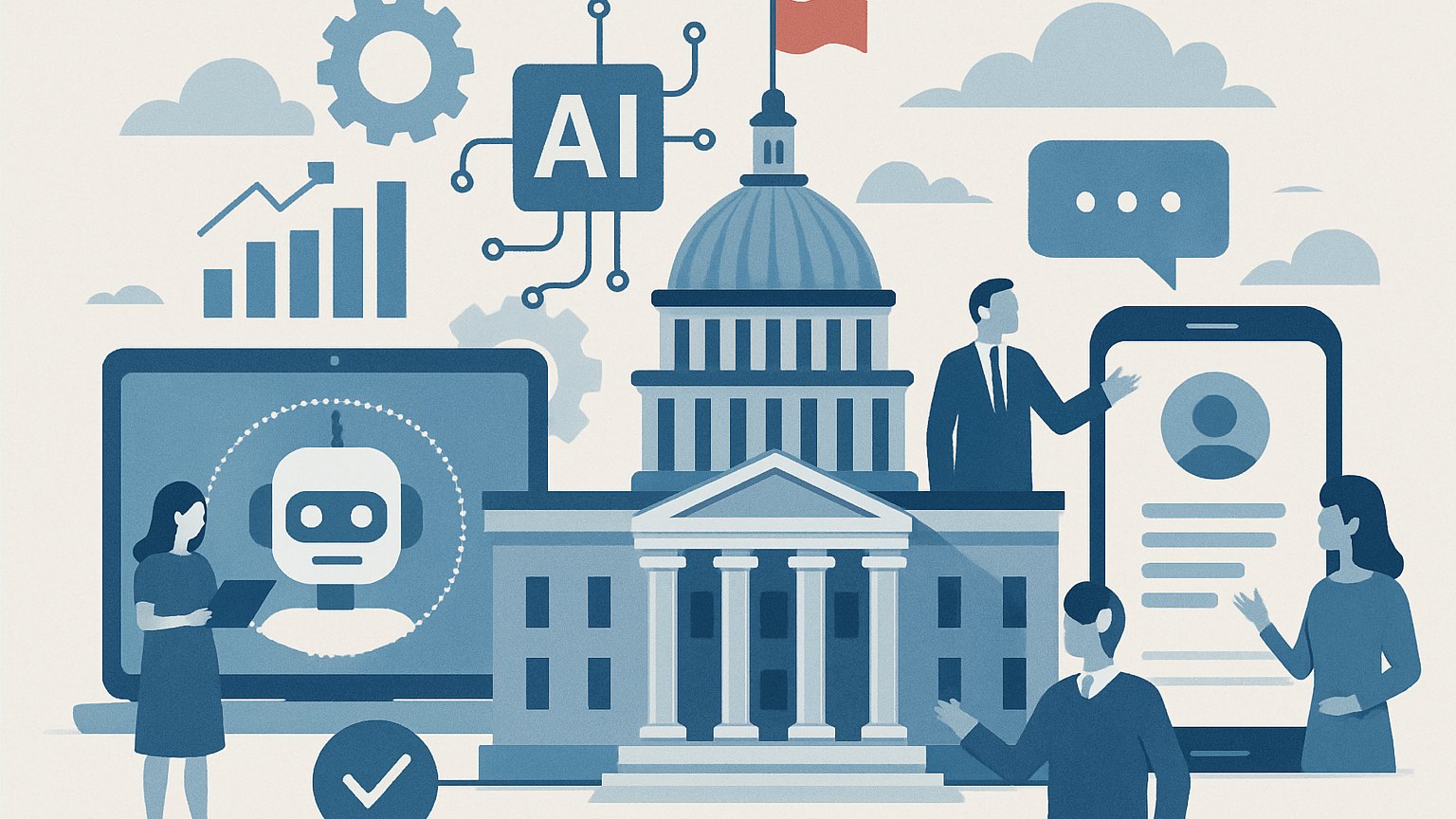
AI's Role in Government Service Delivery
The integration of Artificial Intelligence (AI) into government service delivery is becoming increasingly significant, as detailed in a recent report by Gartner. This development is reshaping how public sector organizations operate, aiming to enhance efficiency, improve citizen engagement, and drive cost savings. However, challenges in implementation and skepticism from the public highlight the complexities associated with such transformations.
Why It Matters: Transforming Government Operations
AI technologies have the potential to fundamentally change how government services are designed and delivered. According to Gartner's report, adopting AI can lead to improved service efficiency, which is crucial for meeting the growing demands on government agencies. AI can automate routine tasks, analyze large datasets for insightful decision-making, and provide personalized services to citizens.
The report notes that 40% of government agencies expect to deploy AI solutions for service delivery by 2025, underscoring a significant shift in operational frameworks within the public sector. Such advancements could allow for quicker response times to citizen inquiries and faster processing of applications for services like permits and social welfare.
Challenges in Implementation
Despite the promising prospects of AI in government functions, several challenges inhibit its widespread adoption.
Data Privacy and Security Concerns
One of the primary concerns is related to data privacy and security. Government agencies manage vast quantities of sensitive personal data, and integrating AI-powered systems could expose them to cyber threats. A report from the Government Accountability Office emphasizes the importance of establishing robust security protocols to protect citizens' information as agencies evolve in their use of technology.
Resistance to Change
Cultural resistance within public sector organizations also presents a barrier. Employees may be hesitant to adopt AI technologies due to fears of job displacement or skepticism about AI's effectiveness. Overcoming these challenges requires clear communication about the benefits of AI in augmenting rather than replacing human capabilities.
Uneven Infrastructure
Furthermore, the existing technological infrastructure in many public sector organizations may not support the integration of advanced AI systems. Implementing AI solutions often necessitates significant investment in both hardware and software, as well as extensive workforce training.
Opportunities for Enhanced Service Delivery
If implemented successfully, AI could revolutionize several aspects of government services. Here are some key areas where AI shows promise:
Customer Service Automation
AI chatbots and virtual assistants can handle routine inquiries from citizens, allowing human staff to focus on more complex issues. This not only saves time but enhances overall citizen satisfaction by providing immediate assistance.
Predictive Analytics
AI allows for predictive analytics to forecast demand for public services. For example, predictive models can analyze past trends to improve resource allocation during emergencies, such as natural disasters. This could be crucial for agencies like FEMA during crisis management efforts.
Streamlining Internal Processes
AI can optimize internal processes within government agencies. For instance, automating workflows in procurement or human resources could lead to more effective budget management and better allocation of taxpayer resources.
Balancing Innovation with Accountability
While the promise of AI in government service delivery is notable, it must be framed within the context of accountability and governance. Stakeholders must ensure that AI technologies are transparent and free from biases that could result in unequal service outcomes. For instance, algorithms that assess eligibility for government services must be scrutinized to prevent discrimination and ensure fairness.
Evidence of Bias in AI
Research indicates that some AI systems can perpetuate biases prevalent in their training data, which could lead to inequitable service delivery. This concern, highlighted by MIT Media Lab, emphasizes the need for comprehensive auditing of AI applications used in public services.
Future Directions: Collaboration and Best Practices
To maximize the benefits of AI while minimizing risks, collaboration across different governmental levels and with private sector partners will be crucial. Initiatives that promote best practices in AI deployment will help ensure that agencies are well-equipped to handle the ethical implications of their AI systems.
Moreover, public engagement is essential. Canvassing citizen feedback will help shape AI policies, ensuring that technology aligns with community values and expectations. Such participatory approaches can build trust and legitimacy, as citizens will feel more invested in how AI shapes their interaction with government services.
Conclusion
As evidenced by Gartner's report, AI holds immense potential to improve government service delivery. However, the successful implementation of AI in public sector organizations requires careful consideration of ethical, technical, and societal challenges. Addressing these factors can enable governments to harness AI in a manner that is not only efficient but also equitable and accountable. This ongoing evolution will be critical in meeting the dynamic needs of citizens in a rapidly changing technological landscape.