
Introduction
The rapid advancement of artificial intelligence (AI) technologies is reshaping industries worldwide, with the semiconductor sector experiencing some of the most significant impacts. As AI applications proliferate, the demand for advanced chips is skyrocketing, prompting a closer examination of how this burgeoning sector affects the semiconductor supply chain.
The Rising Demand for Semiconductors
In 2022, the semiconductor industry was valued at approximately $600 billion, and experts predict it could reach $1 trillion by 2030. This explosive growth is largely fueled by the increased demand for AI-driven applications, including machine learning, cloud computing, and data analytics. Specifically, high-performance computing (HPC) and neural network training require advanced chips, driving semiconductor manufacturers to ramp up production.
Supply Chain Challenges
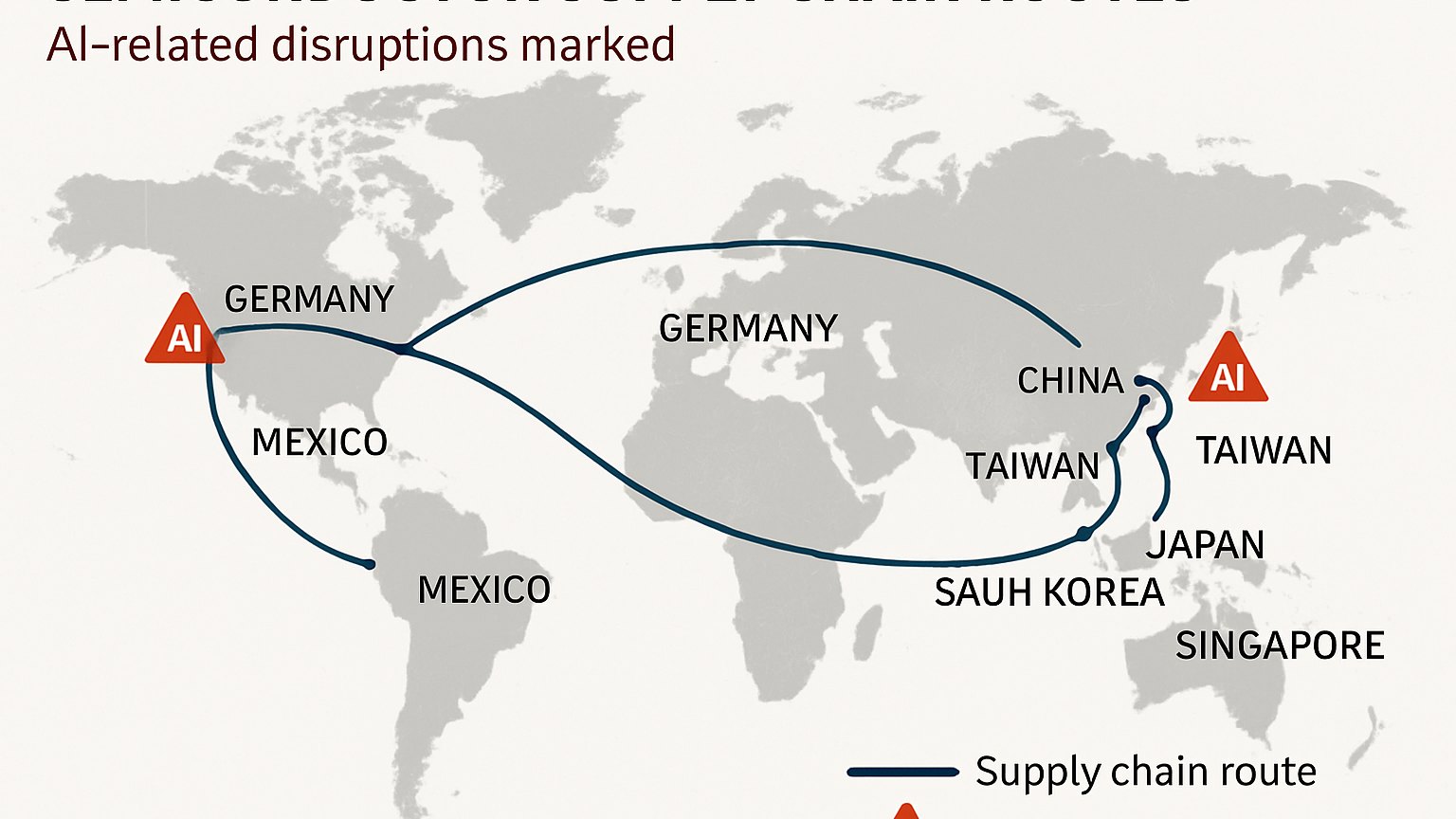
Though the demand for semiconductors has surged, the supply chain is under immense pressure. Factors complicating this landscape include:
- Geopolitical Tensions: Trade wars, particularly between the U.S. and China, have led to stringent export controls on specific technologies, disrupting global supply chains. According to a report by McKinsey, this has resulted in a significant misalignment between supply and demand.
- COVID-19 Fallout: The COVID-19 pandemic caused manufacturing delays and logistic bottlenecks, exacerbating the existing semiconductor shortage that had begun prior to 2020. As factories worked to resume normal operations, the spike in remote work and digital services led to an unprecedented chip demand.
AI-Driven Innovations in Manufacturing
Interestingly, AI is not only contributing to rising demand but is also being employed to enhance semiconductor manufacturing processes. AI tools are being integrated into:
-
Predictive Maintenance: By employing AI algorithms, companies can predict equipment failures before they occur, reducing downtime and increasing efficiency. For instance, companies like Intel and TSMC are leveraging AI for real-time monitoring and anomaly detection in their fabrication plants.
-
Supply Chain Optimization: AI can analyze large datasets to optimize supply chain logistics. This includes forecasting demand, optimizing inventories, and improving supply chain resilience—critical aspects given the current volatility.
According to a study by PwC, companies using AI technologies in their supply chains could see a 10-15% increase in operational efficiency.
Environmental Considerations
As the semiconductor industry scales up production to meet AI demands, environmental sustainability becomes crucial. Chip manufacturing is resource-intensive, utilizing vast amounts of water and energy.
- Green Manufacturing: Companies like TSMC are investing in green manufacturing processes, including reducing their carbon footprint and utilizing renewable energy sources. Additionally, AI can assist in monitoring and managing environmental impacts, leading to more sustainable practices within the semiconductor supply chain.
Emerging Opportunities and Risks
While the growth of AI presents vast opportunities for semiconductor manufacturers, it also brings potential risks:
- Market Consolidation: Increased demand may lead to the consolidation of semiconductor companies, potentially resulting in less competition and higher prices for consumers. This is a noteworthy concern among industry experts who stress the need for diverse suppliers to maintain stability in the supply chain.
- Intellectual Property Theft: As investment in AI technologies escalates, so does the risk of intellectual property theft, particularly in regions with less stringent protections. Companies must be vigilant in safeguarding their innovations to maintain a competitive edge.
Conclusion
The intersection of AI growth and the semiconductor supply chain is a complex landscape marked by both challenges and potential innovations. While the demand for advanced chips continues to surge, driven largely by AI applications, the industry must navigate geopolitical tensions, logistical issues, and environmental sustainability concerns.
As companies adopt AI technologies in their manufacturing processes, they have the opportunity to improve efficiencies and adapt to evolving market needs. However, proactive measures must be taken to mitigate the risks associated with consolidation and IP theft to ensure a sustainable future for both the semiconductor and AI industries.
In summary, as AI continues to advance, its influence on the semiconductor supply chain will likely grow, necessitating continuous adaptation and strategic planning from all stakeholders.
Tags
- AI
- Semiconductor
- Supply Chain
- Manufacturing
- Environmental Sustainability