
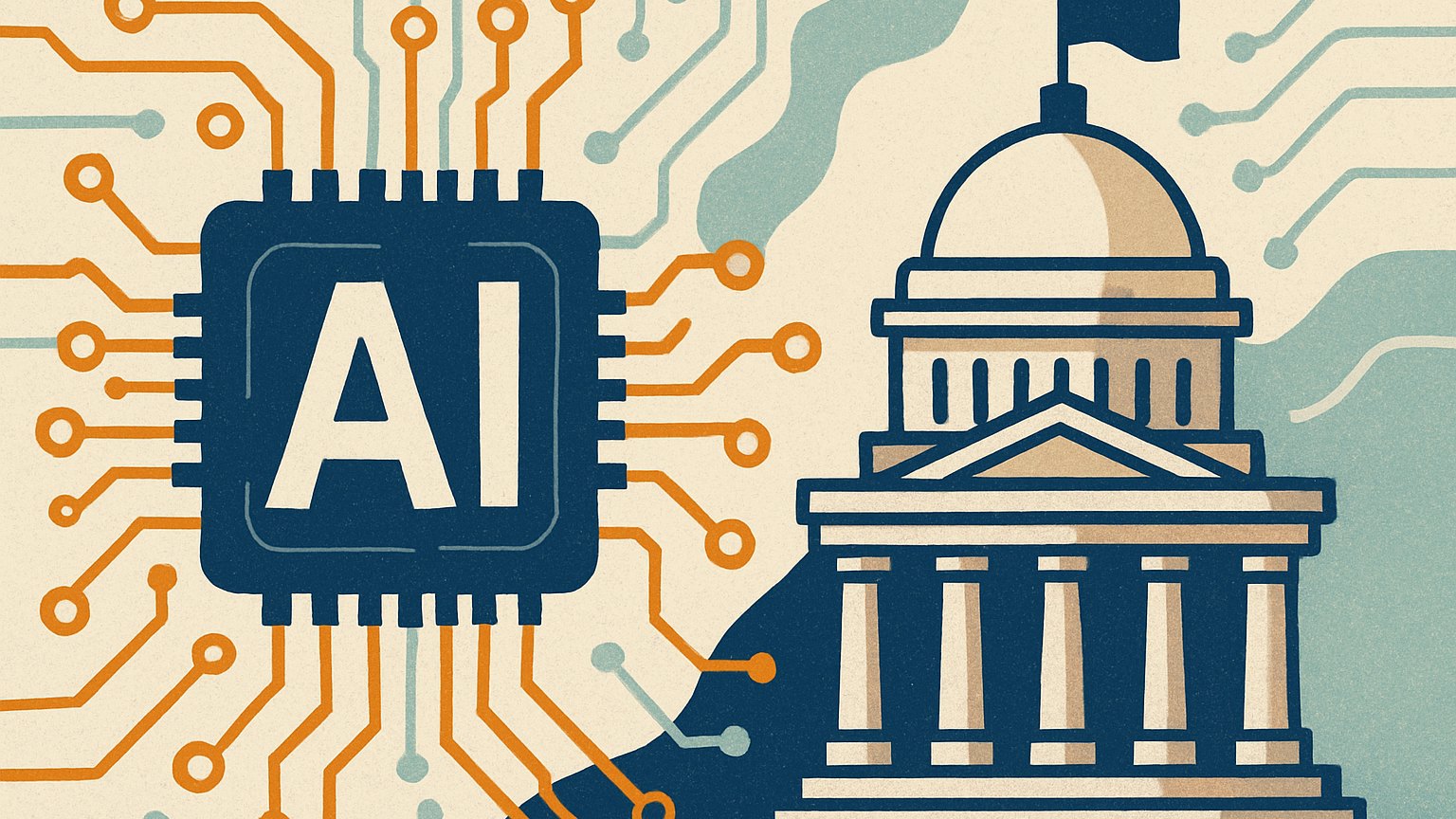
The Rise of AI in Governance
Artificial Intelligence (AI) is making waves across numerous sectors, including political systems and governance. Its ability to process vast amounts of data, recognize patterns, and even predict outcomes has led to discussions on how AI can enhance political decision-making, public administration, and citizen engagement. The influence of AI in governance is not just a technological shift; it represents a fundamental change in how political systems operate and how citizens interact with their government.
Enhancing Decision-Making Through Data
AI can analyze complex datasets, providing insights that can lead to better-informed policy decisions. Policymakers can leverage AI algorithms to assess the potential impacts of legislation, track public opinion, and unveil socioeconomic trends. For example, cities are using AI to improve urban planning and resource allocation by predicting population growth and identifying areas most in need of infrastructure improvements.
However, while there are promising applications, there are significant concerns about over-reliance on AI for decision-making. Critics argue that data-driven decision-making can lead to a narrow focus, potentially ignoring the human aspects of governance. Importantly, decision-making driven by flawed data or biased algorithms could exacerbate existing inequalities rather than alleviate them.
AI in Voting and Election Integrity
AI's involvement in the electoral process has been met with enthusiasm and skepticism alike. On one hand, AI tools can potentially streamline voting systems and enhance voter outreach through targeted communication strategies. Moreover, they can help in monitoring election integrity by identifying unusual patterns in voting data that may indicate fraud.
Conversely, concerns about AI's role in elections often center on misinformation and manipulation. Algorithms can be utilized to create deepfakes or spread disinformation, influencing public perceptions and potentially swaying election outcomes. Political polarization, exacerbated by personalized content fed by AI, raises serious questions about fairness and transparency in the electoral process.
Political Polarization and Decision-Making
Amidst all the potential benefits of AI, the political landscape remains fraught with challenges. In the U.S., increasing political polarization has led to gridlock in taking decisive action regarding AI regulation. Lawmakers are under pressure to address concerns about AI's capacity to cause catastrophic harm, including job displacement, security risks, and ethical concerns. Yet, electoral cycles and divisive politics stymie progress.
The fear of alienating voters with controversial policies can result in inaction or half-measures that fail to address the underlying issues. This inertia raises critical questions: how do democracies keep pace with technological advancements that could redefine the social contract? Without a proactive approach, the risk of regulatory failures looms large, potentially enabling misuse and neglecting public concerns.
Global Implications of AI Governance
The implications of AI on political systems are not for the U.S. alone. Countries around the globe are grappling with how to incorporate AI responsibly into governance frameworks. Nations such as China are employing AI for surveillance and social credit systems, which raises ethical worries about civil liberties. In contrast, European countries are pushing for strict regulations to ensure transparency and accountability in AI applications.
As international competition in AI develops, the lack of a unified framework for governance could result in disparities in how AI impacts societies worldwide. For example, countries that prioritize ethical guidelines may see improved public trust, whereas those that overlook these concerns may face backlash from their citizens. The challenge lies in balancing innovation with the ethical considerations that a rapidly advancing technology demands.
Ensuring Ethical AI Implementation
To secure a beneficial integration of AI into political systems, ethical considerations should be at the forefront of AI development. Establishing clear guidelines can help ensure that AI technologies are used to enhance democratic values rather than undermine them. This includes ensuring transparency in AI decision-making processes, safeguarding data privacy rights, and holding public agencies accountable for the implementation of AI systems.
Engaging a broad range of stakeholders—including technologists, ethicists, and civil society—can lead to a more balanced approach. Furthermore, public education on AI's capabilities and implications is essential for fostering informed citizen engagement in governance.
Conclusion: A Call for Action
AI's impact on political systems and governance poses both opportunities and challenges. As the technology continues to evolve, lawmakers must confront the pressing need for coherent strategies that address ethical, economic, and security concerns. Moving beyond partisan divides is crucial for developing regulations that are both effective and equitable.
In the midst of rapid technological advancements, there exists an urgent need for democratic societies to act decisively. Failure to do so may lead to a future where AI exacerbates existing inequalities and poses risks to democratic integrity. Inaction is no longer a viable option; it is time for leadership that aligns technology with the public good.