
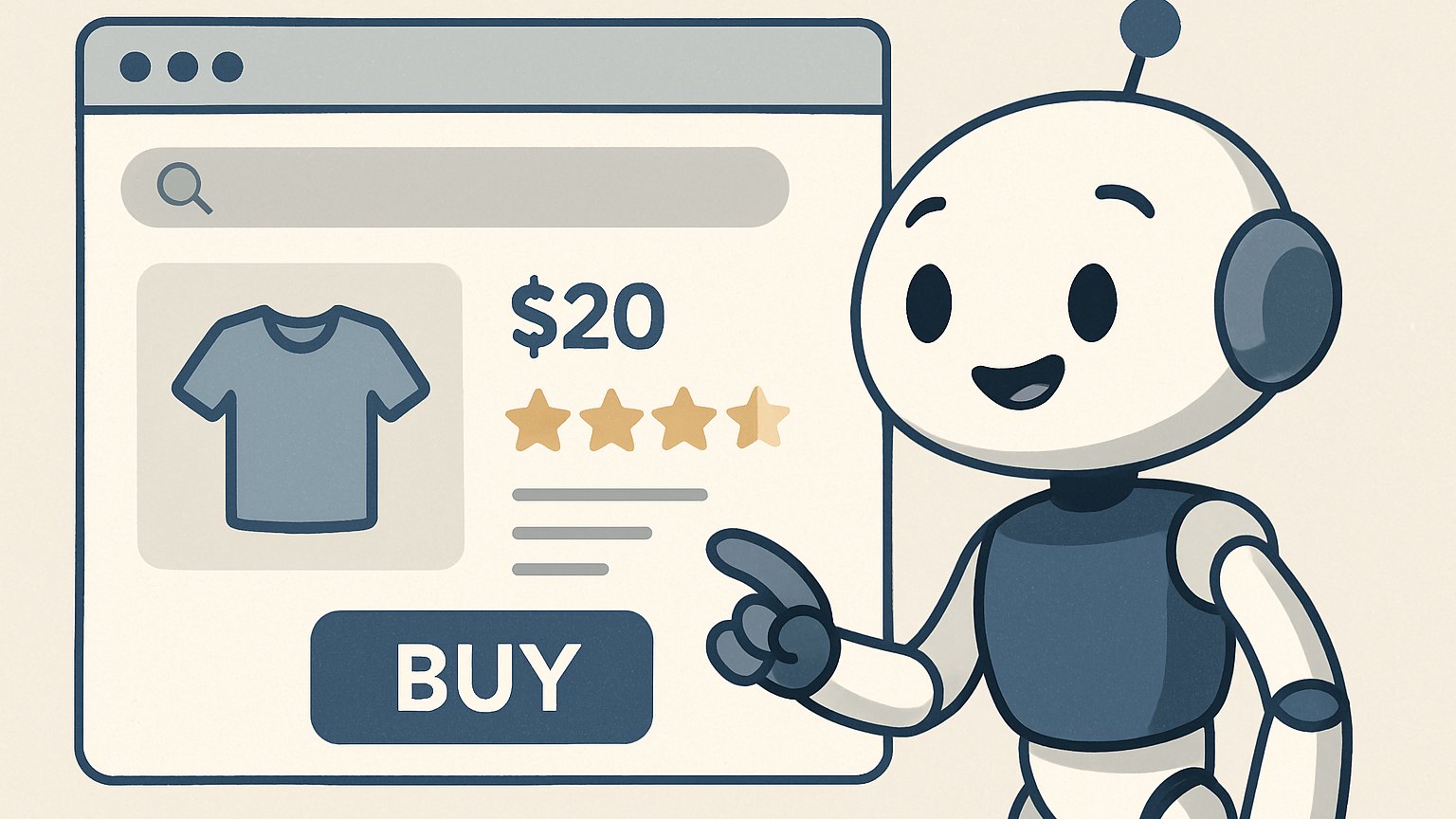
Introduction to AI Shopping Assistants
The rise of Artificial Intelligence (AI) in the shopping realm marks a significant evolution in how consumers interact with e-commerce platforms. AI shopping assistants leverage machine learning, natural language processing, and data analytics to personalize the shopping experience. As these technologies become more sophisticated, companies like Amazon and Meta are navigating a complex landscape filled with competition, innovation, and regulatory scrutiny.
Amazon Blocks Meta's Muse AI Shopping Assistant
In a striking development, Amazon recently decided to block Meta's AI shopping assistant, Muse, from its platform. This action has garnered attention not just for its implications for the two companies involved, but also for the broader e-commerce landscape. Amazon's decision to prevent Muse from integrating with its platform raises questions about competitive practices and the future role of AI in online shopping.
Reasons Behind Amazon's Decision
According to reports, Amazon's move stems from concerns that Meta's Muse could disrupt their market by providing consumers with a different avenue for product recommendations and purchasing options (TechCrunch). Amazon has established itself as a dominant player in e-commerce, and the integration of competitors' tools poses a risk to its market share.
Implications for the E-commerce Industry
The blocking of Muse illustrates the fierce competition in the AI-driven e-commerce sector. With tech giants continuously vying for consumer attention, integrating AI tools that enhance customer experience is becoming a battlefield. Amazon's action could serve as a precedent, emphasizing the importance of controlling how third-party AI assistants operate within their ecosystems. This development underscores a crucial pivot in the e-commerce sector: companies may increasingly prioritize proprietary tools over collaborative partnerships to safeguard their market position.
Distinguishing Between Facts and Claims
While Amazon's blocking of Muse is confirmed, several predictions and analyses surrounding this decision remain speculative. For instance, some analysts contend that this could lead to a pattern of isolating competitors to maintain dominance. However, exact outcomes remain uncertain. Notably, the complexities of competition law in different jurisdictions and consumer behavior will play key roles in shaping the aftermath of these corporate decisions.
The Competitive Landscape
Moving beyond Amazon and Meta, numerous other tech companies are also entering the AI shopping assistant space. For example, Google and Microsoft are investing heavily in AI technologies that could influence shopping behaviors (Forbes). This intensifying rivalry will likely ignite greater innovation but could also result in more aggressive tactics to safeguard market shares.
Consumer Impact
While the corporate dynamics are crucial, the ultimate impact of these developments hinges on consumer behavior. AI shopping assistants have the potential to streamline purchasing processes, enhance personalization, and optimize user experience. However, the blocking of a key player like Muse may stifle innovation, limiting the options available to consumers.
Balancing Innovation and Control
The implications extend further: collaborative tools may help broaden functionalities for consumers, but companies' desire to monopolize experiences could result in more restrictive ecosystems. A balance must be maintained between innovation that empowers consumers and competitive practices that may limit choices in the marketplace.
Future of AI Shopping Assistants
As e-commerce continues to evolve, AI shopping assistants will become integral in shaping the customer journey. Their capabilities in data analysis, personalized marketing, and customer service will likely improve. Nevertheless, companies aiming to harness this potential must navigate a landscape marked by competition, regulatory scrutiny, and evolving consumer expectations.
Rumored Future Trends
Though not all developments are confirmed, speculation is rife regarding potential alliances and technology mergers among competitors. A stronger wave of AI-driven features could surge forward, especially in user interaction and feedback systems, fundamentally altering shopping experiences. However, such collaborations must be carefully examined against the backdrop of monopolistic practices.
Conclusion
In summary, the blocking of Meta's Muse by Amazon reveals substantial insight into the competitive nature of AI shopping assistants in the e-commerce ecosystem. While confirmed facts inform our understanding, speculation about future trends further illustrates that the battle for consumer engagement is only intensifying. As various players navigate this complex terrain, consumers will soon discover whether such competition leads to enhanced services or reduced choices.
Tags: AI, E-commerce, Amazon, Meta, Technology
Meta Description: Amazon's decision to block Meta's Muse AI assistant raises significant questions about competition and innovation in the e-commerce sector.