
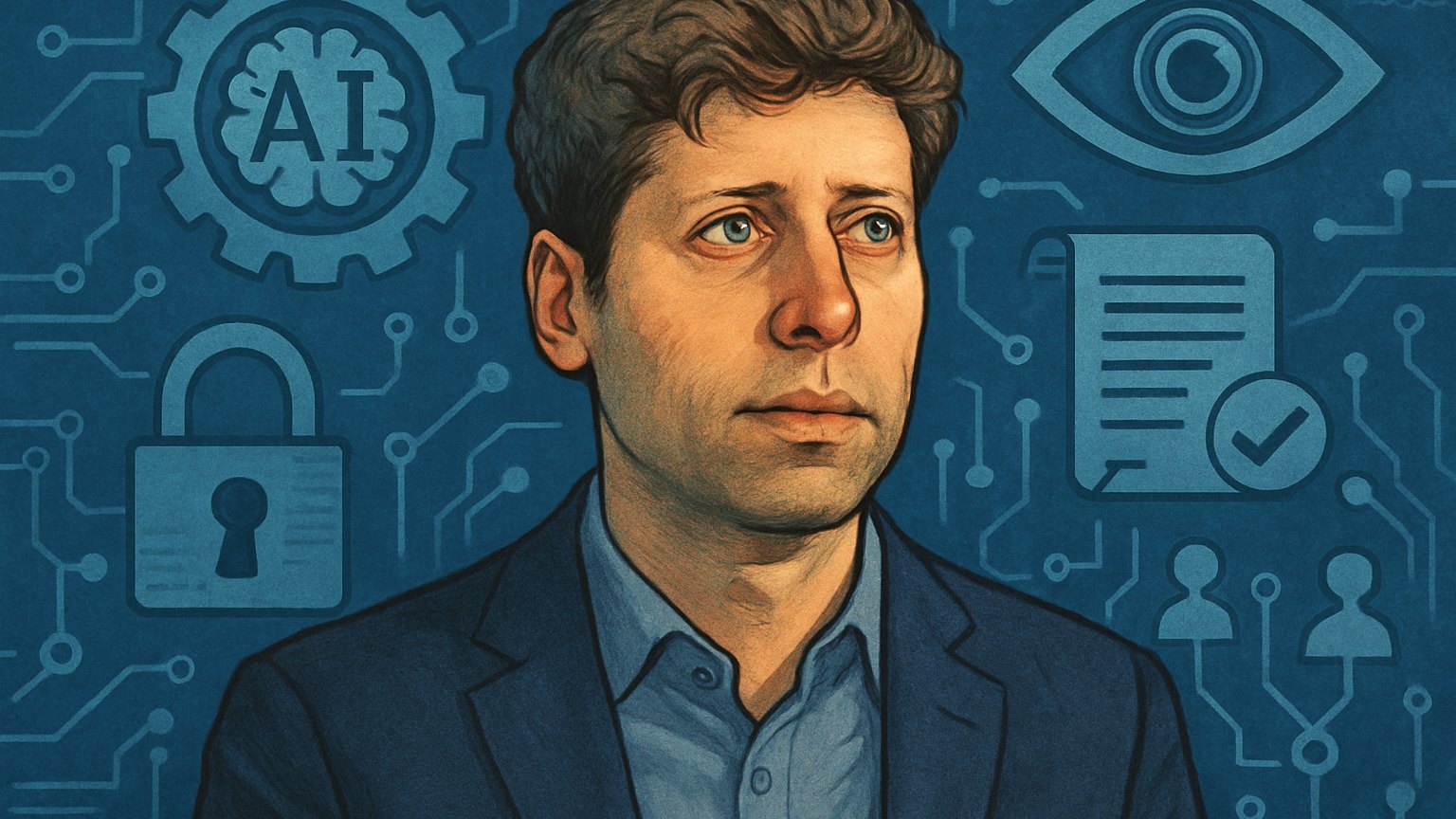
Understanding AI Safety
The rapid advancement of artificial intelligence (AI) technologies brings both unprecedented opportunities and significant risks. AI safety refers to the mechanisms and protocols designed to ensure that AI systems operate within beneficial parameters without posing threats to individuals or society as a whole.
As AI’s potential grows, so too do the stakes surrounding its deployment. There are ongoing discussions among researchers, policymakers, and industry leaders about how best to ensure that AI developments do not lead to adverse outcomes, such as biased algorithms, invasion of privacy, or unintended actions by autonomous systems.
Sam Altman’s Vision
At the forefront of these discussions is Sam Altman, co-founder and CEO of OpenAI. He has consistently emphasized that with great technological power comes greater responsibility. Altman's perspective highlights the dichotomy between innovation and safety, arguing that while AI can lead to transformative changes across various sectors, the accountability of the companies developing these technologies is essential.
Altman posits that an effective governance framework is crucial for maintaining a balance between harnessing AI’s capabilities and mitigating its risks. He advocates for a multi-faceted approach to AI development, underscoring the importance of adhering to ethical guidelines and societal norms.
The Need for Industry Accountability
Accountability in AI development involves several layers: corporate responsibility, governmental policies, and public engagement. These elements must work synergistically to create a robust framework that fosters innovation while ensuring safety.
Corporate Responsibility
Organizations that create AI technologies must adopt transparent practices. This includes publishing datasets, algorithms used, and potential limitations of their AI systems. Such transparency builds trust and allows for external audits, which can identify ethical concerns or flaws in algorithms that may lead to biased outputs.
Altman argues that companies should proactively engage in safety evaluations as part of their development processes. By instilling a culture of accountability, firms can create systems that not only push the boundaries of technology but do so in a manner that respects ethical considerations.
Government Policies
Governments also have a pivotal role in ensuring AI safety. As Altman suggests, regulatory frameworks can help safeguard against misuse and harmful consequences while still promoting innovation. For example, setting clear guidelines for data use, privacy protection, and compliance can provide a roadmap for developers.
Regulators should focus on creating adaptable policies that respond to technological advancements. Over-regulation could stifle innovation, while under-regulation could lead to harmful consequences. Therefore, finding a balanced approach is critical for fostering an environment of responsible AI development.
Public Engagement
Public dialogue is another essential component of AI accountability. Engaging stakeholders—including users, technologists, ethicists, and the general public—in discussions about AI’s societal impact can lead to well-rounded perspectives on risks and benefits. This engagement helps develop informed public opinion and encourages industry players to consider broader societal implications when designing AI systems.
Balancing Innovation and Risk Management
The challenge that Altman highlights is achieving a balance between rapid technological advancements and the cautious management of associated risks. One method he suggests is the concept of a “safety net” for AI. This involves creating frameworks where decision-making processes incorporate safety assessments. Through iterative testing and deployment, systems can be refined based on real-world feedback.
The Role of AI Research
Research in AI safety is a growing area of focus that seeks to understand and mitigate risks associated with advanced AI systems. This involves developing techniques to measure the alignment of AI behaviors with human values, particularly as AI becomes increasingly autonomous.
Organizations like OpenAI are leading the way in committing resources to this research, seeking to not only advance AI capabilities but also address ethical and safety concerns proactively. Altman’s emphasis on safety in AI research reflects a broader recognition in the industry that building responsible technologies is not just an ethical obligation but a business imperative.
Future Perspectives
As AI technology continues to evolve, ongoing discussions about its safety and the accountability of the industry will likely gain prominence. Altman’s views underscore the critical interplay of innovation and caution in shaping the future of AI.
For the industry to navigate these waters effectively, it requires a commitment to ethical considerations, accountability, and public inclusion. Ultimately, it is through responsible development that the full potential of AI can be realized, turning it into a powerful tool for the betterment of society rather than a source of harm.
Conclusion
In summary, AI safety and industry accountability are essential components of the dialogue surrounding artificial intelligence. Sam Altman’s vision for responsible AI development emphasizes a proactive approach that balances innovation with risk management. This balance is not only crucial for the safety of users and society but also for the sustainable growth of the AI industry itself.