
The Current Landscape of AI Regulation
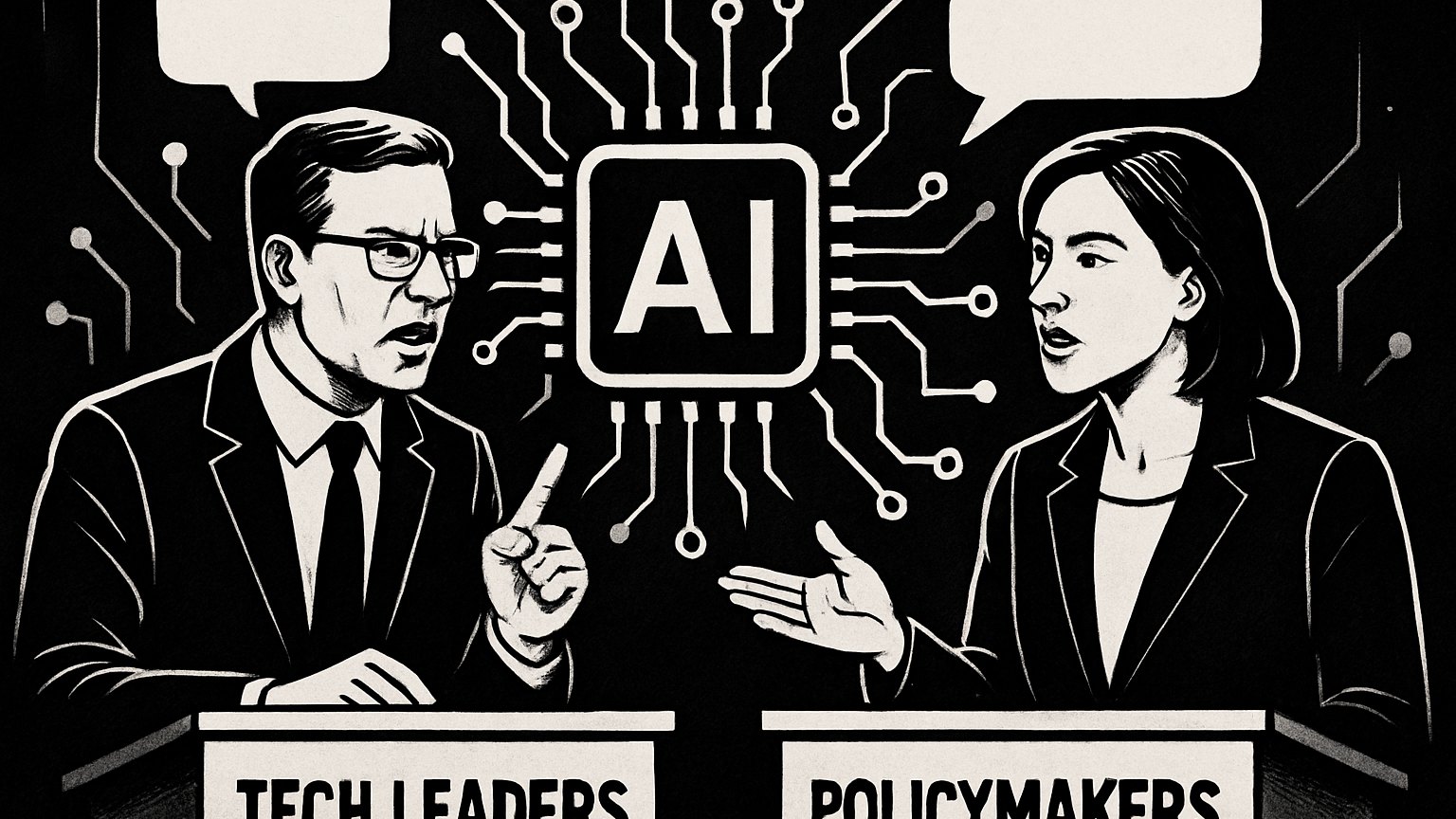
As artificial intelligence (AI) continues to evolve rapidly, the conversation surrounding its regulation has intensified in the United States. This debate often centers around two key stakeholders: technology leaders advocating for innovation and President Trump, who has emphasized the need for caution.
Divergent Perspectives
Tech leaders, including prominent figures from major companies in Silicon Valley, argue that over-regulation could stifle innovation and hamper the growth of the AI industry. They claim that self-regulation, combined with existing laws, will allow the sector to flourish without the constraints of federal oversight.
On the other side, President Trump has expressed concerns about the unregulated advancement of AI, particularly regarding ethical implications, national security, and the potential displacement of jobs. His position highlights a need for balanced regulatory frameworks that can safeguard the public while still encouraging technological advancements.
Importance of AI Regulation
The significance of regulating AI cannot be overstated given its expanding role in numerous sectors including healthcare, finance, and transportation.
-
Ethical Concerns: AI systems are increasingly making decisions that affect people's lives. The lack of transparency and potential biases in algorithms raise ethical concerns that demand regulatory attention.
-
Economic Impact: As AI technologies are integrated into the workforce, fears of job displacement are becoming more pronounced. Regulations aimed at mitigating economic disruption could be essential in ensuring a smooth transition.
-
National Security: With AI's potential to be exploited for malicious purposes, such as cyber warfare or surveillance, establishing regulations for responsible development and deployment is crucial to national security.
The Challenges of Regulation
Creating regulations that are effective yet not overly restrictive poses significant challenges. Critics of regulation argue that policymakers often lack the technical expertise required to develop viable frameworks. Additionally, the rapid pace of AI innovation can render regulations obsolete almost as soon as they are implemented.
Furthermore, any regulatory environment must consider international competition. If the U.S. imposes stringent regulations and other countries do not, it could lead to a competitive disadvantage for American firms.
Balancing Innovation and Safety
As discussions continue, finding a balance between fostering innovation and ensuring safety remains at the forefront. Leaders in the tech industry suggest that collaboration between private sectors and the government can lead to a more harmonious approach:
- Public-Private Partnerships: These can enable the sharing of insights and foster a better understanding of the technology.
- Adaptive Regulations: Policymakers could adopt a more flexible regulatory approach that evolves with advancements in AI technology rather than imposing rigid frameworks.
Future Implications
The outcome of this ongoing debate will have long-term ramifications not just for the AI industry but for society as a whole. If tech leaders succeed in pushing for minimal regulation, there is potential for rapid advancements in AI, but it also raises concerns about accountability and ethical standards.
Conversely, if President Trump’s caution prevails, stricter regulations may slow down innovation, thus affecting the global competitiveness of U.S. tech companies.
The stakes are high, as AI will increasingly shape the landscape of industries and processes across the globe. Ensuring responsible AI development will require ongoing dialogue among stakeholders, including technologists, regulators, and ethicists.
Conclusion
The debate over AI regulation encapsulates the tension between innovation and control. Leaders from both sides must recognize that the goal should be to enhance and not hinder progress. As the regulatory landscape evolves, it will be essential to continuously address the encompassing implications of AI, ensuring that it serves as a tool for societal benefit rather than a point of contention.
Tags
- AI Regulation
- Technology Leaders
- National Security
- Ethical AI
- Economic Impact
Meta Description
Explore the ongoing debate between tech leaders and President Trump on AI regulation, its significance, and its impact on the industry's future.