
Emergence of AI Personal Agents
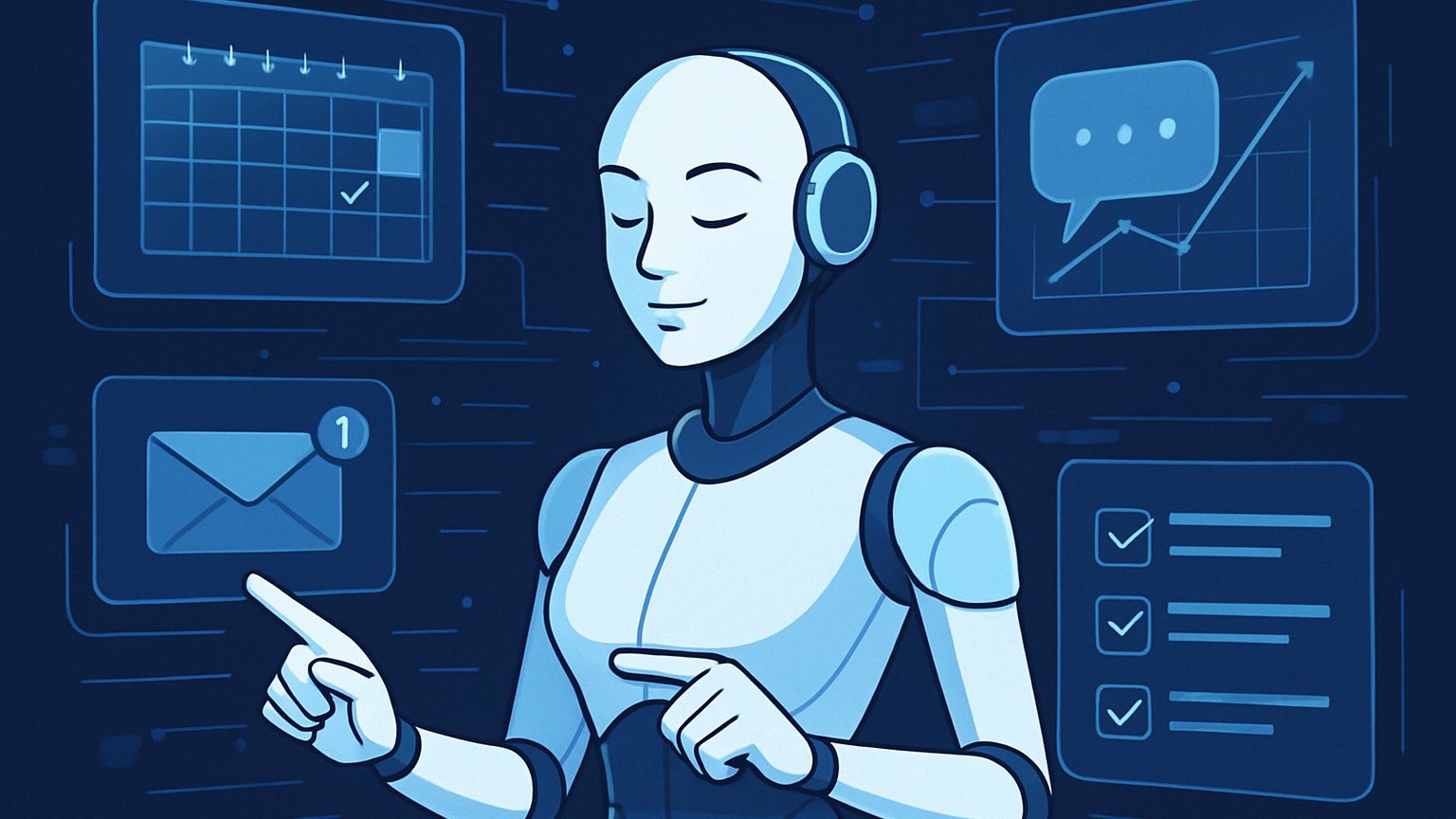
In recent years, technology has rapidly advanced, paving the way for personal AI agents capable of managing a wide range of tasks, from online shopping to calendar management. These virtual assistants are designed to streamline daily activities, save time, and improve user experience.
Understanding Personal AI Agents
Personal AI agents, also known as digital assistants or AI companions, utilize machine learning, natural language processing, and predictive analytics to perform tasks on behalf of users. Services like Google Assistant, Amazon Alexa, and Apple's Siri have laid the groundwork for more sophisticated AI agents. These systems are increasingly capable of understanding context, engaging in conversations, and managing increasingly complex tasks, which sets the stage for their growth in both functionality and acceptance.
Why the Development Matters
The significance of personal AI agents extends beyond mere convenience.
- Efficiency: By automating mundane tasks, these agents allow individuals to focus on higher-priority activities, potentially enhancing productivity.
- Accessibility: Personal AI agents can democratize information access, offering assistance to those who may not be tech-savvy.
- Customization: These technologies can learn from user interactions, tailoring services to meet specific needs, thereby improving user satisfaction over time.
Competition Among Tech Giants
As the demand for personal AI agents grows, competition among leading technology companies intensifies. Many firms are investing heavily to enhance their offerings:
- Google: The tech giant's Assistant has evolved through user feedback and machine learning advancements. Google recently announced plans for an updated version designed to be more proactive, assisting with scheduling and reminders without user prompts (source: TechCrunch).
- Amazon: With Alexa, Amazon is not just focused on home automation but also on integrating its services into a broader ecosystem that includes shopping and entertainment. It plans on expanding voice capabilities to provide users with more informed suggestions around shopping and meal planning (source: CNBC).
- Apple: While Siri has been seen as lagging behind its peers, Apple has announced enhancements aimed at learning user preferences and improving interaction context, indicating a potential leap forward in its functionality (source: The Verge).
Privacy Concerns
With greater functionality comes greater responsibility, particularly in terms of user privacy. Numerous incidents have raised eyebrows about how companies handle user data. 3rd party integrations pose additional risks, as personal information exchanged with AI agents could be mismanaged. Notable concerns include:
- Data Breaches: Reports of data breaches and unauthorized access have prompted skepticism about the safety of using personal AI agents (source: Wired).
- Surveillance: AI agents often require permission to access personal data, leading to unease around continuous monitoring (source: Reuters). Users need transparency about what data is collected and how it's used.
Companies are beginning to address these concerns by emphasizing security measures, opting for end-to-end encryption, and providing users with clearer privacy settings to control data sharing.
The Future of Personal AI Agents
While the present landscape offers various features, the future of personal AI agents appears even more exciting. Key trends to watch out for include:
- Increased Integration: Future AI agents could better integrate services (like travel booking or food delivery) into a seamless experience, ultimately serving as a one-stop solution for managing daily tasks.
- Voice and Emotion Recognition: As technology advances, AI could better understand and respond to user emotions, making interactions more human-like.
- Ethical AI: With growing public scrutiny, having ethical frameworks for developing AI will be essential. This will help mitigate bias and foster trust in AI agents as they grow more intelligent and autonomous (source: Harvard Business Review).
Concluding Thoughts
The evolution of personal AI agents is a testament to how far technology has come in making our lives easier. As competition among tech giants heats up and privacy concerns are addressed, we could be on the verge of a new age where digital assistants are integral to our daily routines. While the path ahead includes hurdles, the potential benefits they offer—efficiency, personalization, and convenience—make them a fascinating area of development worth monitoring.