
Introduction to AI Model Benchmarking
Artificial Intelligence (AI) has made significant strides in recent years, but its accessibility on consumer hardware has remained a topic of discussion amongst researchers and enthusiasts alike. Recently, the Qwen 3.8 27B model was benchmarked on various consumer platforms, offering insights into performance metrics and the implications for everyday users.
Understanding the Qwen 3.8 27B Model
The Qwen 3.8 27B model, developed by the Chinese company Qwen AI, is a multi-purpose conversational AI model that has gained attention due to its large dataset training and advanced features. This model is designed to perform various tasks, from language understanding to generating coherent, contextually relevant text. By benchmarking this model on consumer-grade hardware, researchers aimed to assess not only the performance but also the practicality of using such powerful models for average consumers.
Benchmarking: What It Involves
Benchmarking an AI model involves evaluating its performance based on standardized tests. This process assesses various criteria, including speed, accuracy, computational resource requirements, and user experience. It is crucial for understanding how efficiently a model can run on consumer devices without specialized hardware.
Consumer Hardware Specifications
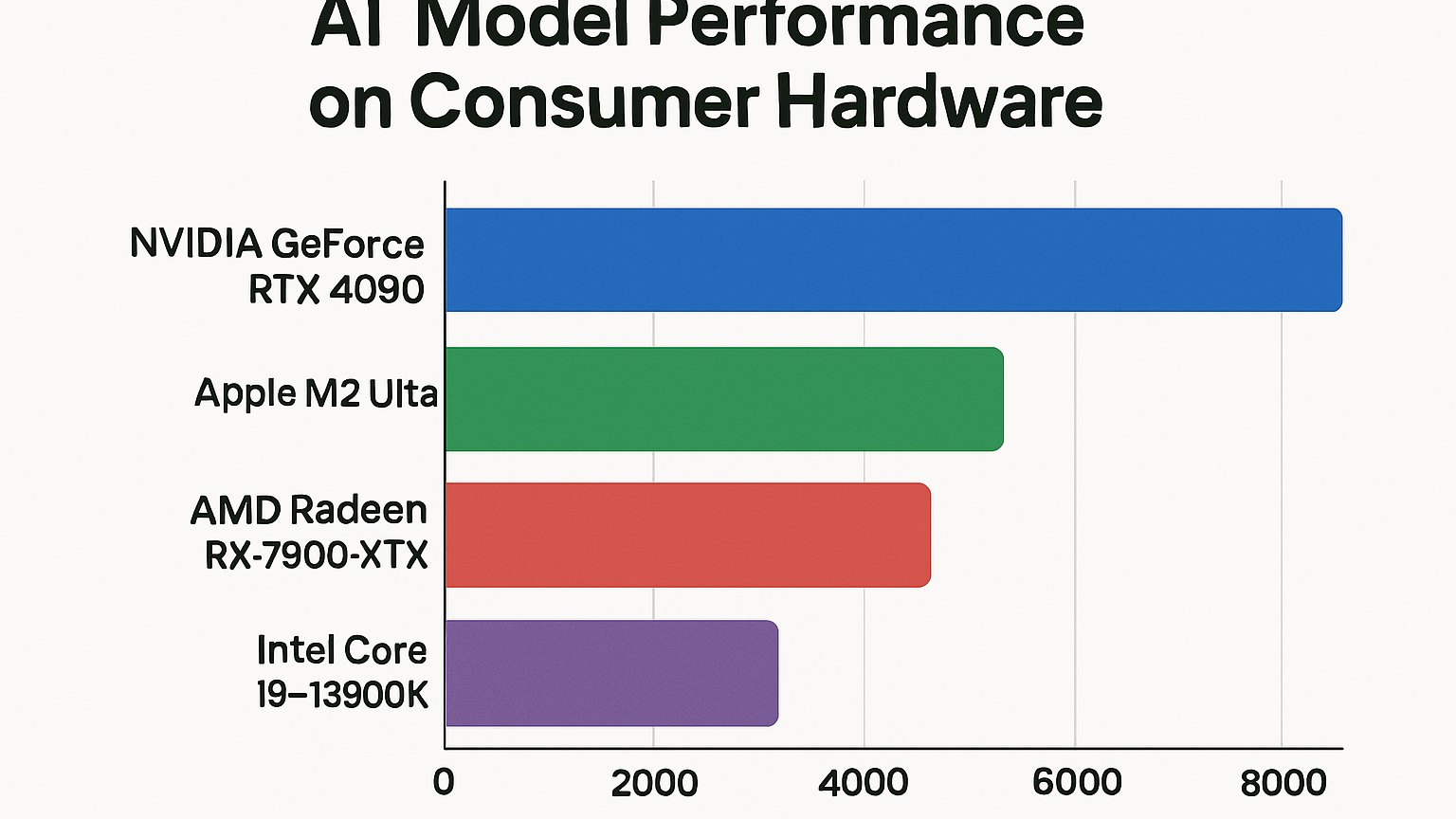
The benchmarking analysis utilized several types of consumer hardware, including typical gaming PCs and mid-range laptops. This is significant because general users often lack access to high-end machines equipped with advanced GPUs or TPUs. The tests included evaluating performance on CPUs as well, which are more common in standard consumer setups. The model’s efficiency and responsiveness in open-source frameworks were also crucial aspects of the analysis.
Performance Outcomes
Speed and Latency
One of the primary metrics evaluated was the latency of the Qwen 3.8 model on different machines. On high-end consumer hardware equipped with powerful GPUs, the model demonstrated impressive response times, processing requests in a fraction of a second. However, on mid-range systems, performance lagged, with processing times extending significantly. This variance underscores the role of hardware specifications in determining AI usability on common computers.
Memory Usage and Efficiency
Another critical aspect of the benchmarking was memory usage. The model showed a tendency to require considerable RAM, especially during training phases. In scenarios where the hardware could not meet these demands, users experienced slowdowns or crashes. This finding raises questions about how feasible it is for an average user to run such demanding models without specialized equipment.
Implications for AI Accessibility
The implications of these findings are profound. If high-performing AI models can run on consumer hardware without excessive limitations, they become more accessible to a broader audience. This can lead to increased innovation as more developers and hobbyists can experiment with advanced models in their projects.
Democratizing AI Development
An accessible AI landscape encourages diversity in development, allowing various voices and backgrounds to contribute unique solutions. As consumer hardware becomes more capable, models like Qwen 3.8 can pave the way for a new generation of applications that may not require extensive resources or investment.
Evaluating Claims vs. Confirmed Facts
While excitement about AI accessibility on consumer hardware is palpable, it’s important to distinguish between claims and confirmed facts. Many discussions around this topic may emphasize ideal outcomes. However, the reality of performance on less-than-optimal machines can temper expectations.
For example, while the potential for real-time processing of large datasets is enticing, the restrictions faced by average consumers using mid-range hardware are confirmed through benchmarking data. These factors need to be clarified to ensure that users understand the practical limitations of running such models on consumer setups.
The Role of Developers in Optimization
With the benchmarking insights gained, there is an opportunity for developers to optimize AI models for better performance on consumer hardware. By refining algorithms and architecture to lessen resource demands, developers can enhance usability, making powerful tools available to those without access to high-performance systems.
Conclusion
The recent benchmarking study of the Qwen 3.8 27B model on consumer hardware illuminates significant challenges and opportunities within the AI landscape. The findings reveal that while there is potential for running high-performance models on standard devices, limitations still exist. The progress toward democratizing AI technology is promising but requires collective input from developers, engineers, and researchers to ensure that these systems can operate efficiently on the hardware most users possess. As this dialogue continues, the future of accessible AI remains bright, fostering innovative solutions across diverse fields.